Sicada Sloan

Sicada Sloan

Sicada Sloan
John Liu

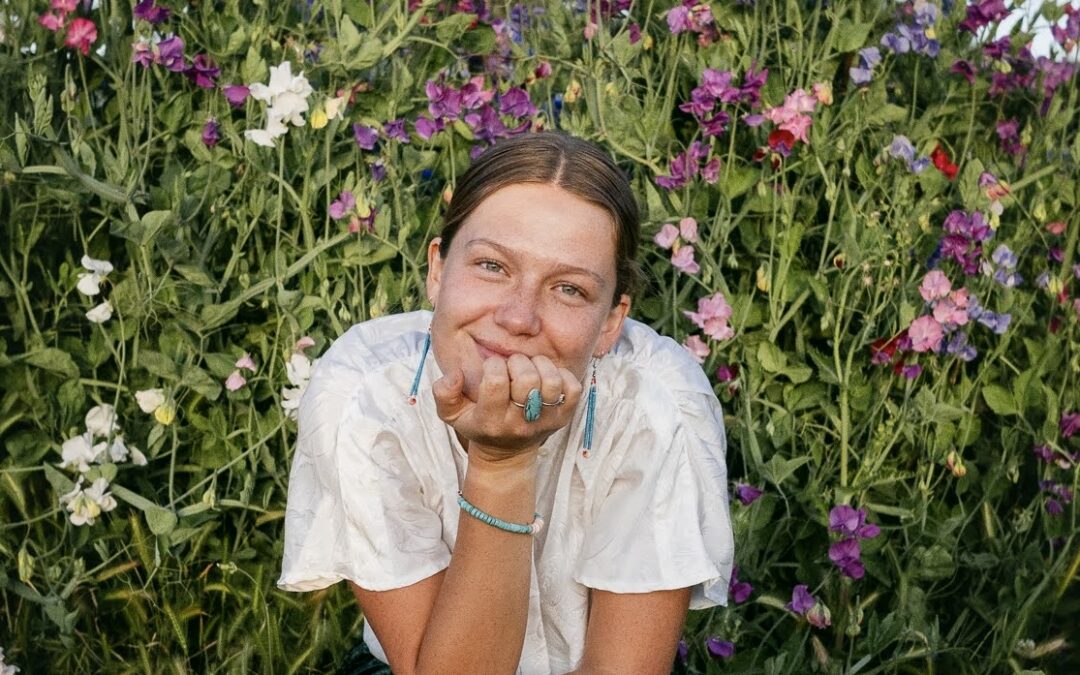
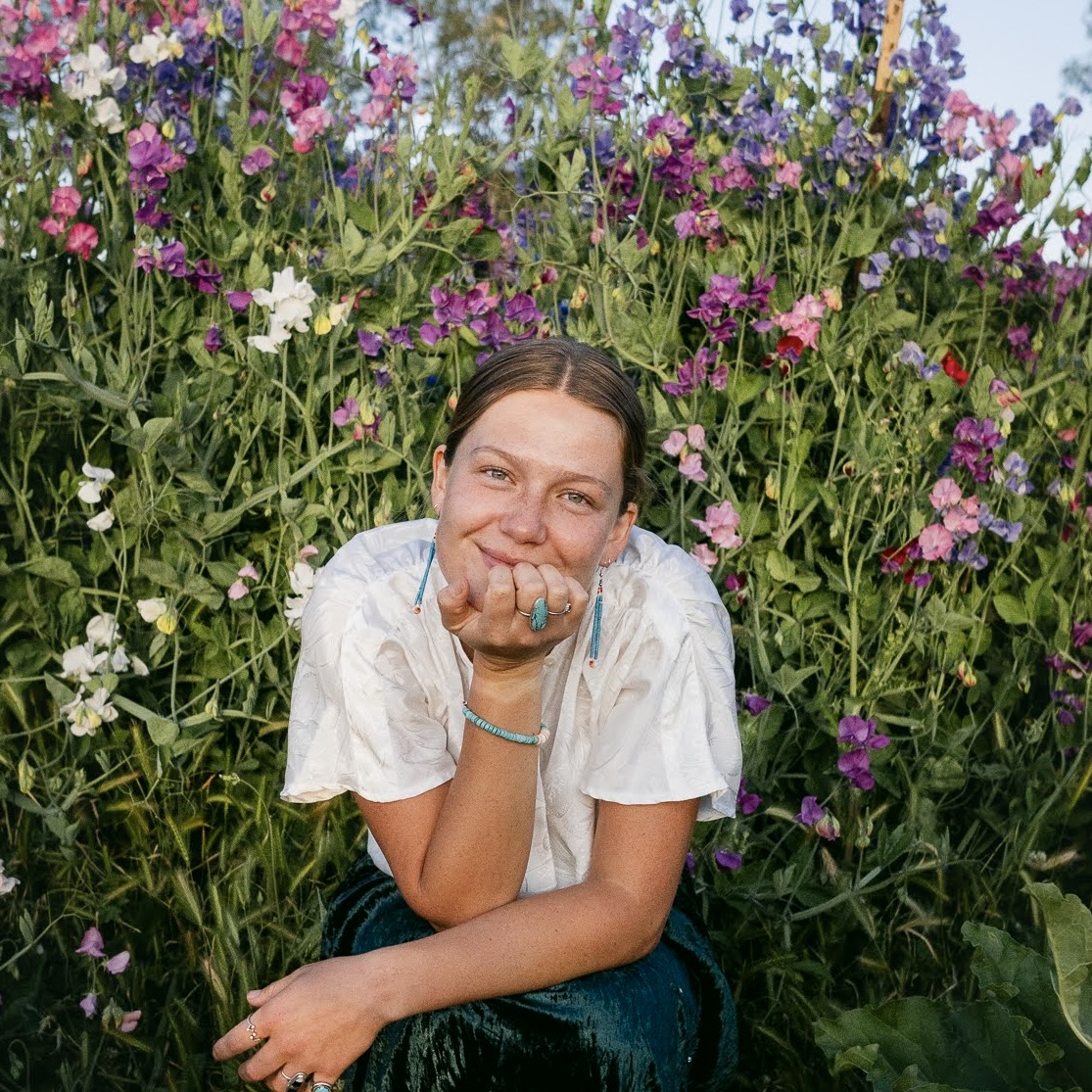
Sicada currently farms in Fruitland, NM on the Navajo Nation. She has roots in Utah and Northern California and is Diné through her father’s side. She holds a Bachelor’s and a Master’s from Stanford University, both in Earth Systems, with an emphasis on sustainable agriculture and food systems. She started working on farms in 2019, completed the Bidii Baby Foods’ Farmer-in-REZidence program in 2025, and started her own farm, ReRooted Farm, in 2026 to increase the local supply of traditional foods. She also works as a project specialist for The BEN Initiative, aiming to create easier pathways to success for other beginning tribal farmers.

Roundtable Facilitator

We all see ways our societies could improve as stewards of this Earth, but on our own, it can feel daunting to make the change we want to see. Whether it’s at the federal, state, local or grassroots level, our voices are most powerful when they are heard together. For those of us feeling tired of moving at the pace of bureaucracy, we can start creating the futures we want now when we feel empowered as members of a strong community. How can we unite our communities together to achieve a shared vision? How can community be a source of strength and inspiration in our efforts to be the best stewards we can be?

Tyrrell Tapaha

Tyrrell Tapaha

Tyrrell Tapaha

John Liu

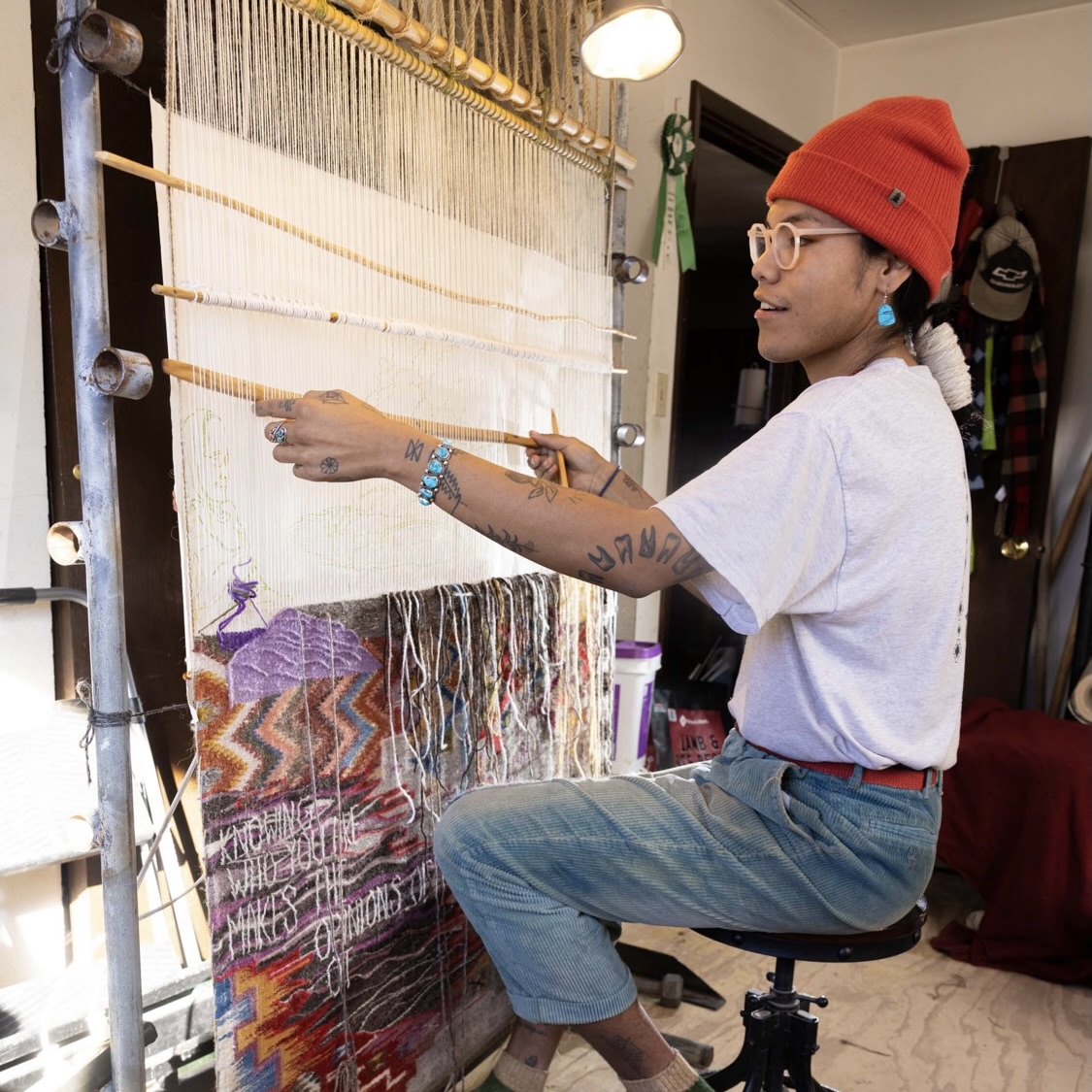
Tyrrell Tapaha is a Dine weaver and fiber artist from Goat Springs, AZ. Their work encompasses the intergenerational pastoral living handed down through Tapaha’s grandfather, great-grandmother, and other relatives willing to teach.

Tapaha produces woven textiles and felted objects for both aesthetic and utilitarian uses. These textiles are made with raw natural fibers predominately grown on the Navajo Nation and hand-dyed with local flora from the Four Corners Region. Tapaha’s weavings are tied to a life lived and intimately interwoven with feelings, memories, and experiences.

In addition to their fiber and textile work, Tapaha also works full-time as a sheep herder in the Four Corners region of the Navajo Nation.

Plenary Panelist

Preserving Heritage Crops and Livestock: A discussion with stewards in the Southwest

It takes many hands to keep the tradition of raising heritage crops and livestock going. More than food, crops and livestock that exist on the margins of commodities embody culture, biodiversity, and stewardship of a holistic approach to agriculture. In this panel discussion, hear from producers who are maintaining a place-based, sustainable agricultural practice by growing culturally relevant and ecologically resilient crops and livestock. Learn about how they navigate a premium market as a small-scale producer. Understand the challenges faced by those in both the early and later stages of their lives and careers as farmers and ranchers. And, get to know what makes some of the resilient heritage crops and livestock grown in the Southwest special.

Moderator: Mary-Charlotte DomandiPanelists:Kiera McCabe (Skoden Farms)Sarah Jones (Jones Family Farm and the Rye Resurgence Project)Tyrrell Tapaha (weaver and sheepherder)


Justin Howard

Justin Howard

Justin Howard

John Liu

Justin Howard is a Hotline Operator for Farm Aid, where he serves as a frontline resource connecting farmers and ranchers across the country to vital crisis support, legal networks, and operational advocacy. Deeply committed to the future of resilient agriculture, Justin brings extensive experience in regional food system coordination, technical training, and regenerative agriculture development to his daily work. Having spent years collaborating with diverse agricultural networks to build localized food hubs, he understands the unique operational and community challenges producers face today. As a facilitator, Justin leverages his background in community-led problem-solving to foster collaborative, action-oriented dialogue centered on keeping farmers thriving on the land.

Roundtable Facilitator

Weathering the Storm: Managing Farm Stress Amid Climate Disaster

Farmers and ranchers across the country are experiencing the effects of extreme weather, and our region is no exception. Drought, wildfires and extreme temperatures have an impact on our land, livestock and our own mental health. Together, we’ll share the ways that climate-related stress shows up on our farms and ranches and explore strategies for cultivating resilience before, during and after a disaster hits.

Ashley Garfias

Ashley Garfias

Ashley Garfias

John Liu

Ashley is a member of Farm Aid’s Hotline team, supporting farmers and ranchers across the country as they navigate challenges ranging from financial pressures and extreme weather events, to farm transitions and other issues affecting agricultural businesses. She also operates a small diversified vegetable farm in Golden, Colorado. Through her work both on the land and on the hotline, Ashley has developed an understanding of the many ways climate-related stress affects farms, ranches, and rural communities. She brings a practical perspective and compassionate approach to identifying opportunities for support and strategies for resilience.

Roundtable Facilitator

Weathering the Storm: Managing Farm Stress Amid Climate Disaster

Farmers and ranchers across the country are experiencing the effects of extreme weather, and our region is no exception. Drought, wildfires and extreme temperatures have an impact on our land, livestock and our own mental health. Together, we’ll share the ways that climate-related stress shows up on our farms and ranches and explore strategies for cultivating resilience before, during and after a disaster hits.

Dan Carter

Dan Carter

Dan Carter

John Liu

Dan grew up on a small horse and hay farm in Tennessee. He has an education in civil engineering and geography which he applies to interconnected projects across the Continental Divide National Scenic Trail. Dan has been living along the Continental Divide landscape since 2008. Since then he has worked and played along the CDT as a servant to public lands, recreationist, and most recently stewarding the Continental Divide Trail (CDT). He greatly enjoys the diverse people, landscapes, and cultures that exist along the CDT, and pulling from the knowledge of many to manage and steward this landscape.

Roundtable Facilitator

The CDT landscape is more than just the 18-24″ wide trail. It is the watersheds, wildlife, people, and cultures that make this landscape so special and inspire us to travel through it on a trail. Much of the Continental Divide landscape are working lands. This landscape also has Federal public lands and State land managed for agriculture and recreation. As the human population and recreation grows along this landscape, the intersection with the working lands, practices, communities, and cultures is becoming ever more frequent. The intersection of these two uses can sometimes cause conflict. Development and privatization threatens both uses and ways of life that are deeply woven into the cultural landscape of the West. Many people that are part of recreation and working lands share a common love and connection to these lands.

These shared lands and love create great opportunities for people to work together to understand, protect, and manage these shared landscapes in a sustainable way. This roundtable is an opportunity to discuss the intersection of working lands, conservation, and recreation to lead to actions with shared benefit and understanding for all groups. Some of the specific intersectional topics encountered along the Continental Divide Trail are: livestock infrastructure: gates, fences, and water; best practices around livestock and guardian animals; differing cultures and generational change. Through our shared love for this landscape and public lands, we can find common ground and shared resources to better steward the CDT landscape.