Alejandro Carrillo

Alejandro Carrillo

Alejandro Carrillo
Find this speaker online

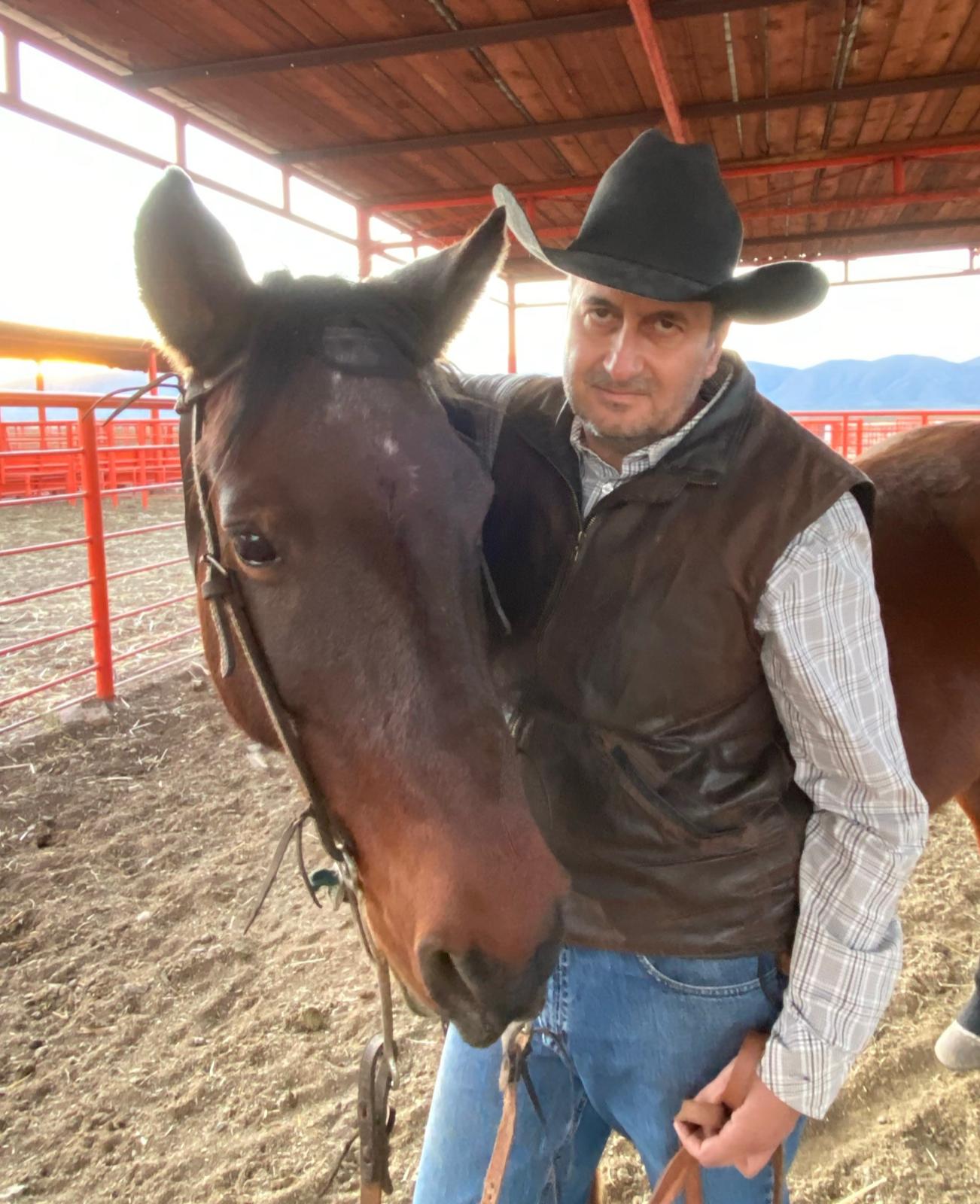
Alejandro joined his family ranch back in 2004, after a successful career as software engineer in many countries. He holds a BS in Computer Science from the Monterrey Institute of Technology and an MS in Technical Management from the Johns Hopkins University. Tired of the constant drought and suffering that comes with conventional ranching in the Chihuahuan desert, Alejandro searched for better ways to do things. In 2006, he adapted the principles of Holistic Planed Grazing Management to his ranch. The change from continuous grazing to adaptive high density grazing brought many challenges as well as outstanding results, such as tripling the ranch’s carrying capacity while lowering his inputs. The first step for Alejandro was educating himself on holistic, regenerative, and profitable ways of ranching in sync with Nature. He and his colleagues traveled to South America, Africa, and the United States to learn from successful ranchers. Alejandro presides Pasticultores del Desierto, a non-profit organization whose goal is to provide ongoing education for cattle ranchers and promote regenerative ranching across the world’s deserts. He also assist ranchers across the western US to adopt planned grazing management as part of the Understanding AG consulting team. His credo is to mimic and respect Nature to stay and thrive in the cattle business.

Plenary Panel
 

Donald Bixby

Donald Bixby

Donald Bixby

Find this speaker online

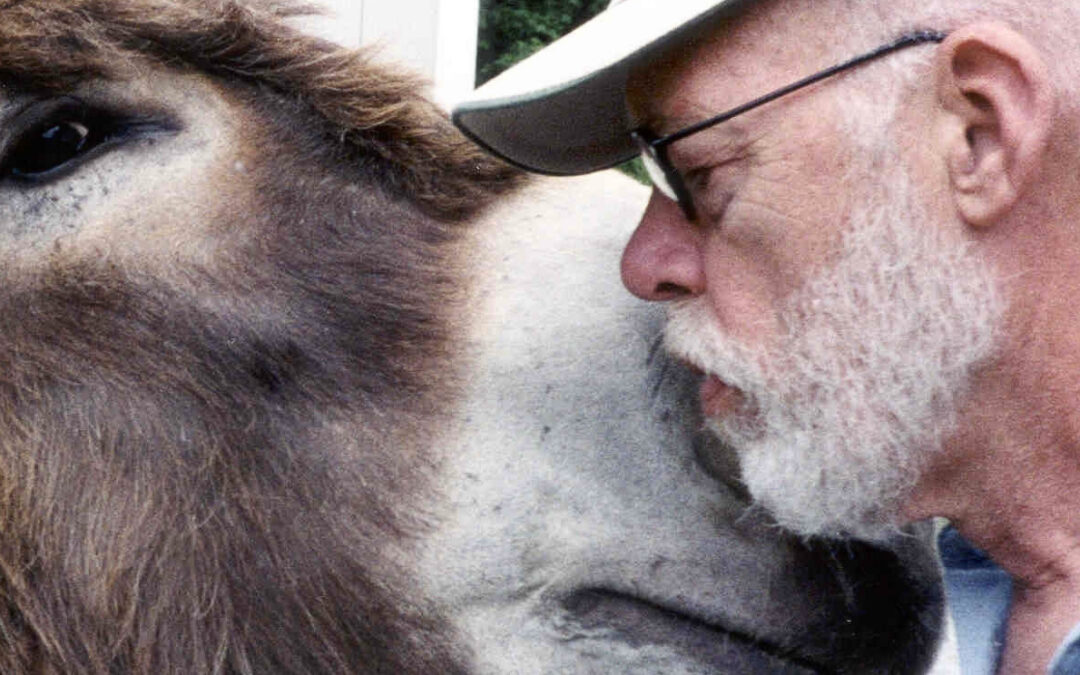
A 1987 sabbatical from my veterinary practice in Michigan to organize a gene bank of traditioanl breeds of livestock for The Livestock Conservancy (TLC) turned into a decades long adventure. TLC is a pioneer organization in protecting genetic diversity in livestock and poultry species through the conservation and promotion of endangered breeds. These rare breeds are part of our heritage and represent a unique piece of the earth’s bio-diversity. I eventually became director of TLC. Campaiging historic breeds with USDA led to the expansion of the National Seed Bank to include animal genetics. As Director of TLC i worked nationally and internationally to organize and collaborate with breed associations and other breed support groups; produced publications on breed conservation and management; discovered and censused historic American breeds such as Navajo-Churro sheep, Fainting goats, and Bourbon Red turkeys, as well as endangered imported breeds such as Tamworth pigs, Poiteau asses and Dutch Belted cattle; and promoted these breeds in sustainable and niche production systems as well as the marketing of breed specific products. Currently I am working with the Oveja Project to reinvigorate the historically important New Mexico sheep industry. Highlights of its 3 year history include a Shearing Workshop, reestablishing the NM Make It With Wool campaign, planned internships in textiles and meat processing, a fleece show and a proposal to reintroduce breed shows at the State Fair.

Plenary Panel

 
Silas Bernardoni

Silas Bernardoni

Silas Bernardoni

Find this speaker online

Silas Bernardoni was raised on Roller Coaster Farm and lives with his 2 children and wife in rural WI. He studied Industrial and System Engineering and did his graduate research on the implementation of disruptive technology.  His off-farm job is being an engineer and business intelligence analyst, working with energy utilities across the country to implement energy efficiency programs.  After going to school and working abroad, Silas decided to return to Wisconsin to start a family and apply his professional skills by co-operating Roller Coaster Farm alongside his parents and two grown siblings.  Roller Coaster Farm is firmly committed to a holistic approach that utilizes Heritage breeds and management intensive rotational grazing, combining pre-industrial methodologies with modern technology, research, and a data driven approach to management.  

Silas joined The Livestock Conservancy Board of Directors in 2018. While not married to any specific breed (though he does have a soft spot for Salmon Faverolle chickens and donkeys), his focus has been to measure and improve the performance of heritage breeds to maintain their genetics as viable production animals that can compete economically with commercial breeds. In his spare time Silas serves as a firefighter and regional rescue technician with many certifications including ASAR (Animal Search And Rescue).

Plenary Panel

Heritage, Indigenous, and Unique Livestock Breeds