Tyrrell Tapaha

Tyrrell Tapaha

Tyrrell Tapaha
John Liu

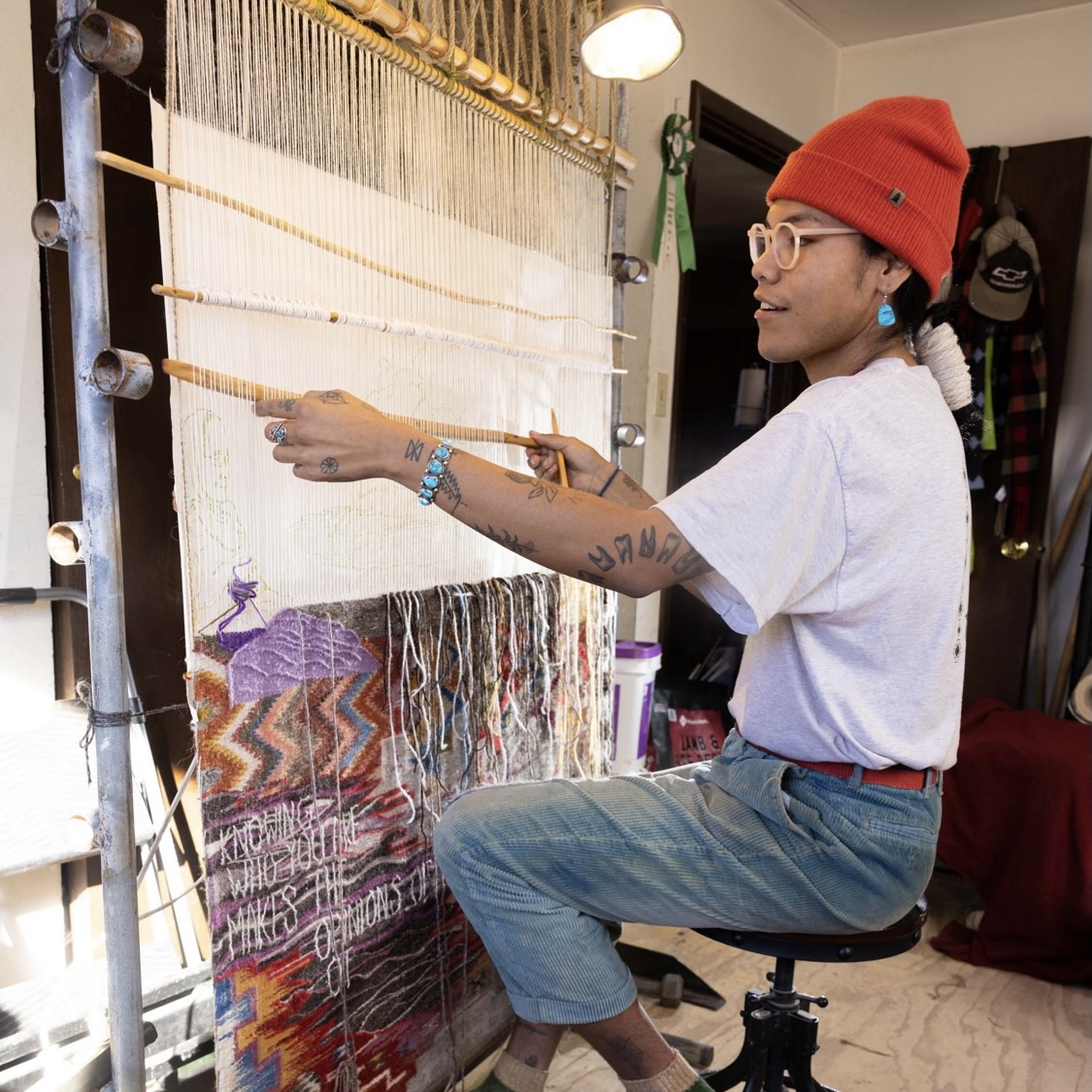
Tyrrell Tapaha is a Dine weaver and fiber artist from Goat Springs, AZ. Their work encompasses the intergenerational pastoral living handed down through Tapaha’s grandfather, great-grandmother, and other relatives willing to teach.

Tapaha produces woven textiles and felted objects for both aesthetic and utilitarian uses. These textiles are made with raw natural fibers predominately grown on the Navajo Nation and hand-dyed with local flora from the Four Corners Region. Tapaha’s weavings are tied to a life lived and intimately interwoven with feelings, memories, and experiences.

In addition to their fiber and textile work, Tapaha also works full-time as a sheep herder in the Four Corners region of the Navajo Nation.

Plenary Panelist

Preserving Heritage Crops and Livestock: A discussion with stewards in the Southwest

It takes many hands to keep the tradition of raising heritage crops and livestock going. More than food, crops and livestock that exist on the margins of commodities embody culture, biodiversity, and stewardship of a holistic approach to agriculture. In this panel discussion, hear from producers who are maintaining a place-based, sustainable agricultural practice by growing culturally relevant and ecologically resilient crops and livestock. Learn about how they navigate a premium market as a small-scale producer. Understand the challenges faced by those in both the early and later stages of their lives and careers as farmers and ranchers. And, get to know what makes some of the resilient heritage crops and livestock grown in the Southwest special.

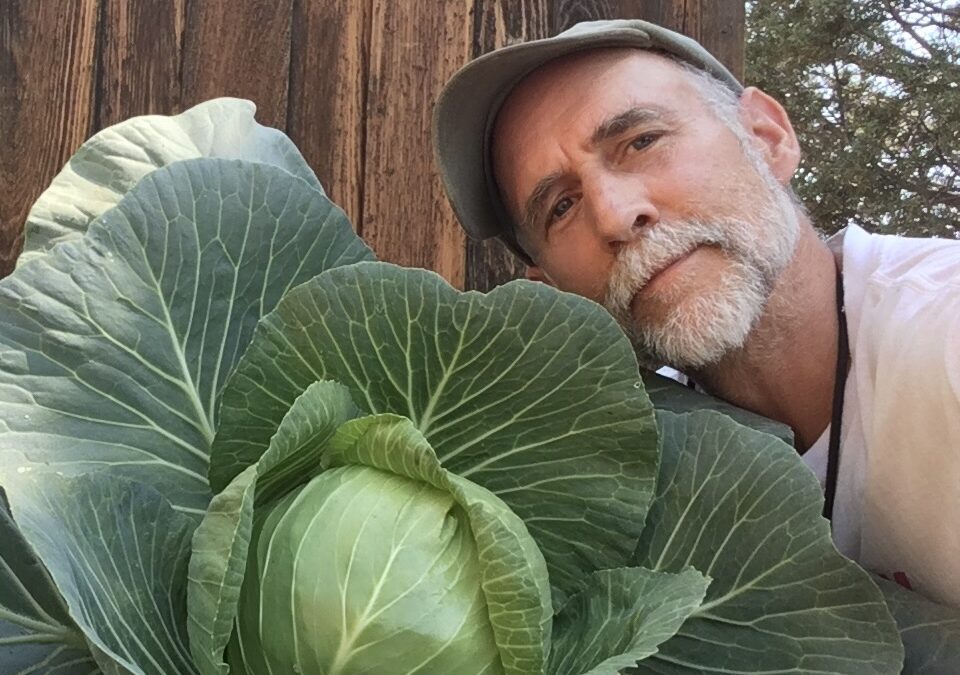
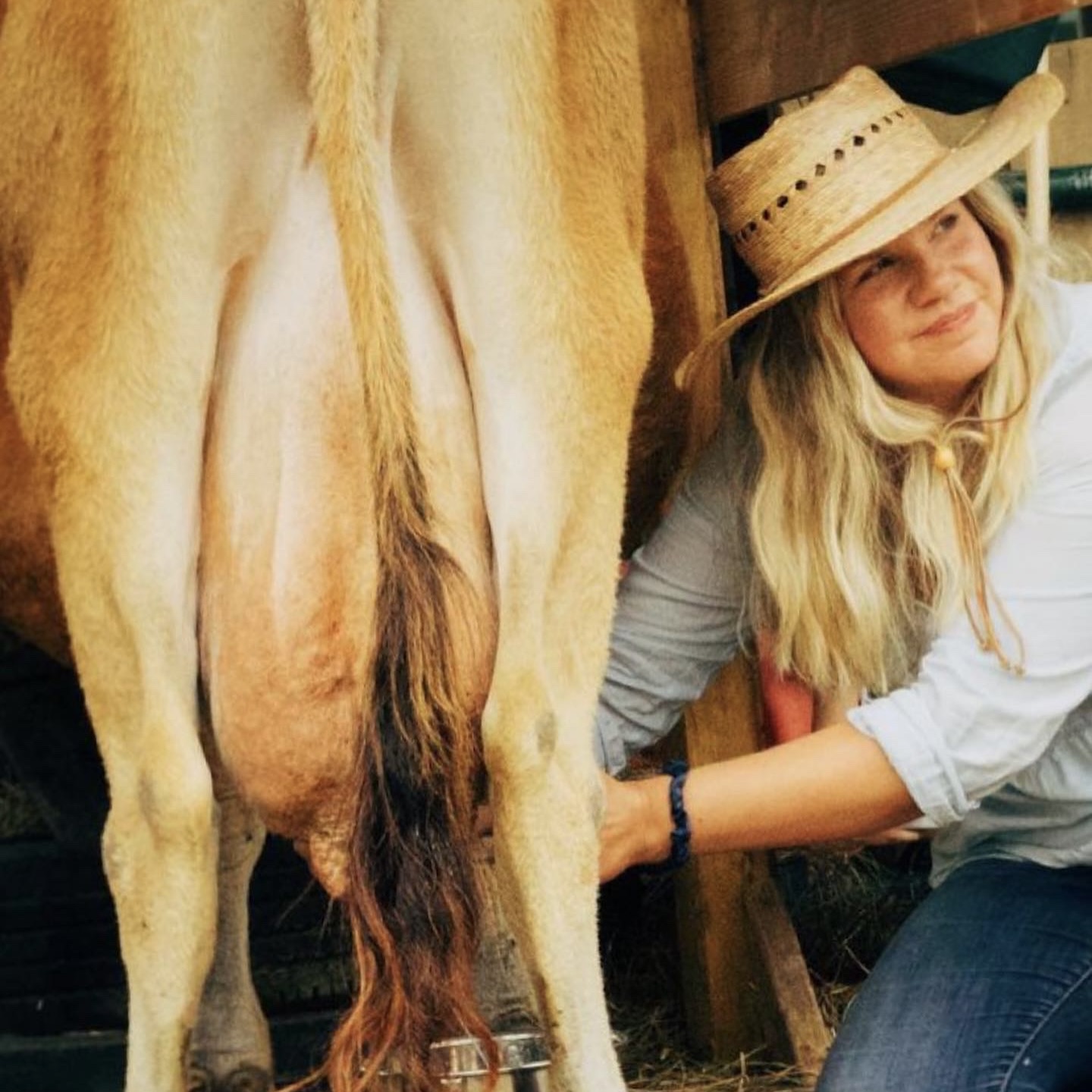
Moderator: Mary-Charlotte DomandiPanelists:Kiera McCabe (Skoden Farms)Sarah Jones (Jones Family Farm and the Rye Resurgence Project)Tyrrell Tapaha (weaver and sheepherder)
 

Melinda Sims

Melinda Sims

Melinda Sims

John Liu

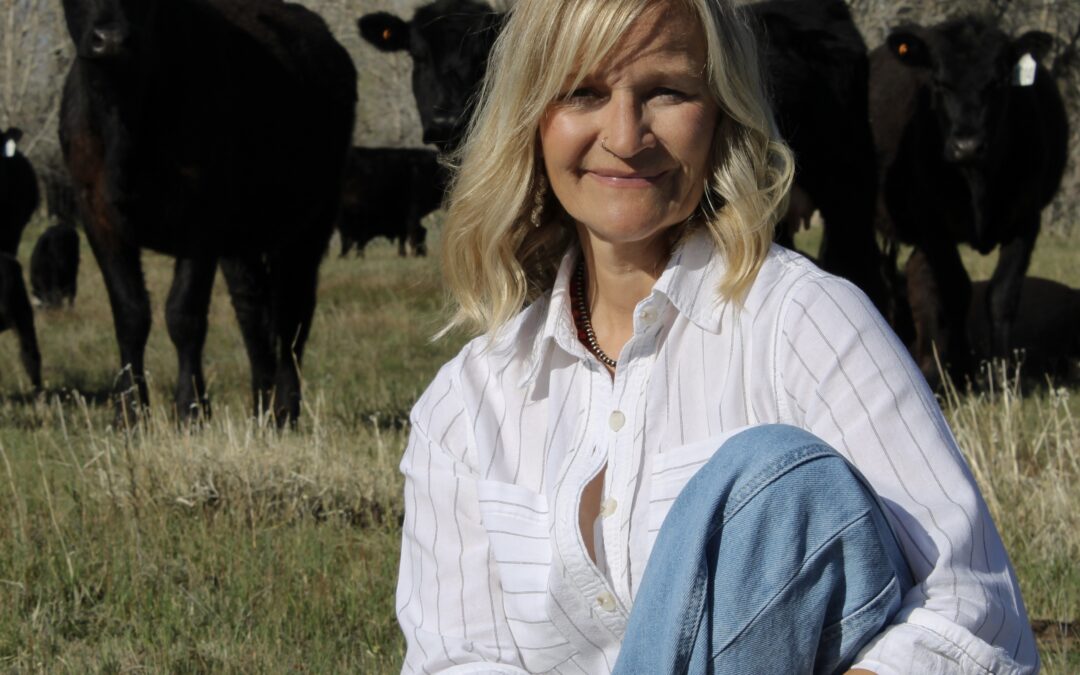
Melinda Sims graduated from the University of Wyoming in 2000 with a degree in Animal Science, focusing on production. While at UW she met and married her husband, Shanon. After college they began working for the family business, Sims Cattle Company, in McFadden, Wyoming. They have two children, a son, Kagan, and a daughter, Jentry, who are the fifth generation on the ranch. Throughout her 26 years on the ranch, Melinda has become very involved in every aspect of ranching, from daily management of animals and land to long term planning and business management. She attended Ranching For Profit in 2020 and 2021, and was an Executive Link member for 2 years. She became a Ranching for Profit instructor in 2022 and appreciates the opportunity to see other ranchers develop profitable and resilient businesses. Melinda strives to understand holism and how it applies to Sims Cattle Company and has worked diligently with Shanon and his family to breed profitable cattle that work in their environment using Ranching for Profit and Holistic Management principles.

Plenary Speaker

Stewardship Through the Generations

Sims Cattle Company is a 5th generation ranch that has been dedicated to taking care of our resource so that future generations have a business and a land base they aspire to return to. Our operation has dedicated lifetimes to understand and applying holism as well as the principles of profitability taught by Ranching For Profit to continuously improve not only our resource base, but our animals, our finances and our relationships. Melinda will guide you through her family’s journey of learning and gratitude passed on through the generations.

John Humphries

John Humphries

John Humphries

John Liu

John Humphries is a 4th-generation farmer/rancher in New Mexico’s Estancia Valley. His great-grandparents’ 1910 homestead is part of his dad’s Seven Up Seven Down Ranch. In 2021, John and his wife Debbie established Hearth, Wind & Sol Farm on 640 acres about 30 miles from ranch headquarters. They sell vegetables, eggs, and baked goods at the local farmers’ market, and John helps manage his dad’s ranch. In 2026, they became mentors for the New Agrarian Program. With training in water resources engineering, John’s early professional career was in international irrigation management. His subsequent twenty-five years of nonprofit management, community organizing and advocacy encompassed local, state, regional and national campaigns on a variety of social justice and environmental issues. From 2015 to 2020, he served on the Governor’s Council on Climate Change in Connecticut. With guidance from HMI, John has been experimenting with a variety of holistic grazing management practices. As a farmer, he loves watching the soil become richer each season while producing vegetables that are enjoyed by people who live in the community. One of his greatest joys is sitting down to a delicious, healthy meal that consists almost entirely of food that was grown or grazed within a few hundred yards of the table. John and Debbie are active in the Quaker community and have two grown children living in Massachusetts. They share the farm with their dog Magpie, two horses and barn cats.

Plenary Panel

Toward a Vision of Community Stewardship

With assistance from HMI, John has been documenting the impacts of new infrastructure (cross-fencing, water, a hay barn, and virtual fence collars) facilitating a series of holistic management experiments, including high density grazing with multiple moves per day, on the farm and ranch in NM. He has also guided the process of securing a conservation easement on 1000 acres of family farmland in TN. Ownership of these lands will be transferred to a family foundation, and John will describe his vision for building communities of farmers and ranchers sharing the long-term stewardship of these beautiful spaces.

Sydney Giacalone

Sydney Giacalone

Sydney Giacalone

John Liu

Sydney Giacalone is an environmental anthropologist who studies rural US multigenerational producers transitioning from conventional to reparative forms of agriculture. Her work on “ex-conventional” farmers and ranchers focuses specifically on the often contentious social, familial, and political aspects of these efforts. She spent 2023 and 2024 conducting fieldwork across the US with 72 producers from 46 ex-conventional farms to trace their experiences self-critically questioning their past management and internalized human-nonhuman hierarchies, learning to collaborate with multispecies life to remediate degraded ecosystems, relearning histories of inherited land on white family farms, and at times creating alliances with other people and causes that disrupt norms of family, property, and American rurality itself. This research was designed in collaboration with participating farmers and is the focus of her forthcoming book. Sydney received her PhD in Anthropology from Brown University, and she is currently a Postdoctoral Research Associate and Lecturer at the University of Virginia.

Publications

“Critical Environmental Justice: Anthropological Extensions” in the Routledge Handbook of Environmental Anthropology (2nd Edition)

Co-edited volume “The Immigrant-Food Nexus: Borders, Labor, and Identity in North America“.

Plenary Panel

Regenerating More than Soil: Multigenerational Producers Reckoning With Relational Repair in their Farms’ Histories

Multigenerational producers inherit valuable knowledge, land, and social capital within their communities. This inheritance of heritage is also often laden with complicated histories of the farm’s past not always talked about or engaged with, yet deeply interconnected to the goals of holistic management and regenerative agriculture. This session tackles this uncomfortable yet urgent complexity head on through talks by producers and engaged researchers who are working directly in their operations to reckon with their farms’ place in histories of settler colonial dispossession, enslavement, and inequitable land access. Stacie Marshall from Mountain Mama Farms in Georgia, Beth Robinette from the Lazy R Ranch in Washington, and anthropologist Sydney Giacalone from the University of Virginia will lead this session to ask: how does regenerative agriculture call producers to take on both ecological and social repair upon these storied lands?

Stacie Marshall

Stacie Marshall

Stacie Marshall

John Liu

Stacie Marshall is a seventh-generation farmer in Dirt Town Valley and steward of Mama Mountain Farms, where she practices regenerative agriculture and works to strengthen food sovereignty in Southern Appalachia. Alongside her father, brother, husband, and three daughters, she raises a small flock of Katahdin sheep and 80 head of grass-fed cattle, offering locally raised meat shares to her community with regenerative practices

Passionate about connecting people through food, land, and conversation, Stacie hosts farm-to-table dinners and community gatherings focused on racial restoration and equity. She is also the co-founder of Hester’s Heritage Foundation which supports black farmers and equal justice initiatives. She serves as board president of the Davies Homeless Shelter, supporting the unsheltered community with compassion and advocacy through a farm food program.

Her land-based work reconciling family and regional land histories through reparative and restorative practices has been featured by The New York Times and BBC.

Whether tending livestock or crafting herbal remedies from the land, Stacie’s work is rooted in restoring soil, community, and connection.

Publications

Plenary Panel

Regenerating More than Soil: Multigenerational Producers Reckoning With Relational Repair in their Farms’ Histories

Multigenerational producers inherit valuable knowledge, land, and social capital within their communities. This inheritance of heritage is also often laden with complicated histories of the farm’s past not always talked about or engaged with, yet deeply interconnected to the goals of holistic management and regenerative agriculture. This session tackles this uncomfortable yet urgent complexity head on through talks by producers and engaged researchers who are working directly in their operations to reckon with their farms’ place in histories of settler colonial dispossession, enslavement, and inequitable land access. Stacie Marshall from Mountain Mama Farms in Georgia, Beth Robinette from the Lazy R Ranch in Washington, and anthropologist Sydney Giacalone from the University of Virginia will lead this session to ask: how does regenerative agriculture call producers to take on both ecological and social repair upon these storied lands?