
Jim Armendariz

Jim Armendariz

Jim Armendariz

John Liu

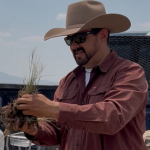
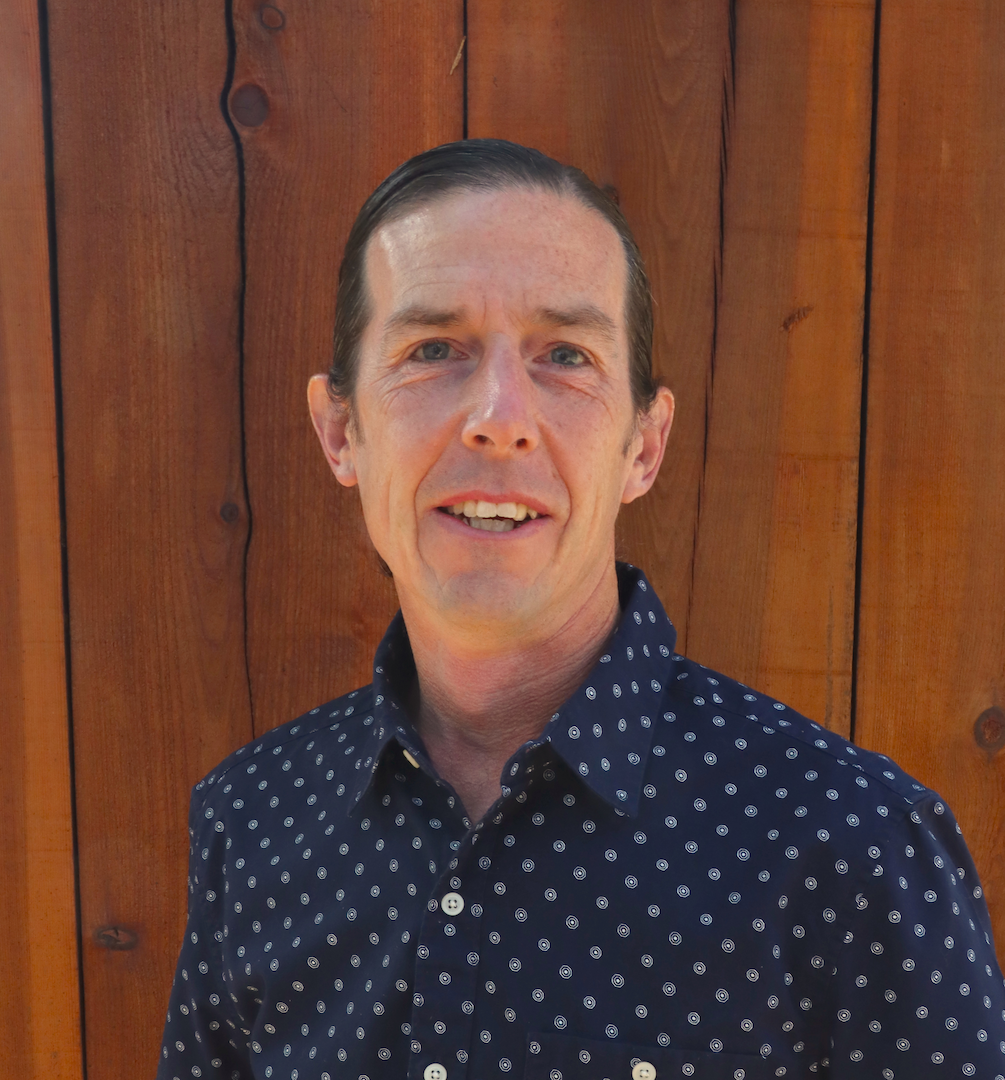
Originally from the Santa Rosa area of New Mexico, Jim grew up working alongside his family for local ranchers. Without the benefit of inheriting land, and cattle, Jim and his family set out to build a ranch from the ground up. Twenty-three years ago, they began with a small grazing lease for 12 head of cattle outside Santa Rosa. Through hard work and determination, they’ve since grown into a 370-head cow-calf operation, carving out a niche in the grass-finished beef market in New Mexico through their business, A&G Family Meats L.L.C. Jim has spent the past 16 years working on and off with the Natural Resources Conservation Service (NRCS) and the Bureau of Land Management (BLM) as a wildland firefighter and Rangeland Management Specialist. He is deeply committed to agriculture and supporting fellow ranchers through practical, science-based solutions. A strong advocate for the soil health movement, Jim believes in its power to improve rangeland and cropland conditions through simple, accessible principles that yield visible results: Helping farmers and ranchers get to “better days through better ways” remains at the heart of his work.

Plenary Speaker

Building a Ranch from the Ground Up Using Regenerative Agriculture Principles

Learn how implementing regenerative agriculture principles helped the Armendariz family build a ranch from the ground up. This family started their ranching journey as ranch hands and cowboys taking care of other people’s land and livestock, all while learning the trade and quietly nurturing the dream of a ranch of their own. Through years of sacrifice and hard work and unwavering faith, they built a ranch from the ground up on the foundation of healthy lands, restoring thousand of acres of rangelands in New Mexico. This opened up doors to acquire more land and livestock and grow the ranch. Today they run over 300 head of cattle and a “ranch to table” meat company (A&G Family Meats), providing grass-finished beef , pork and lamb to families all across New Mexico at a price that beats most grocery stores.

Sarah Hackney

Sarah Hackney

Sarah Hackney

John Liu

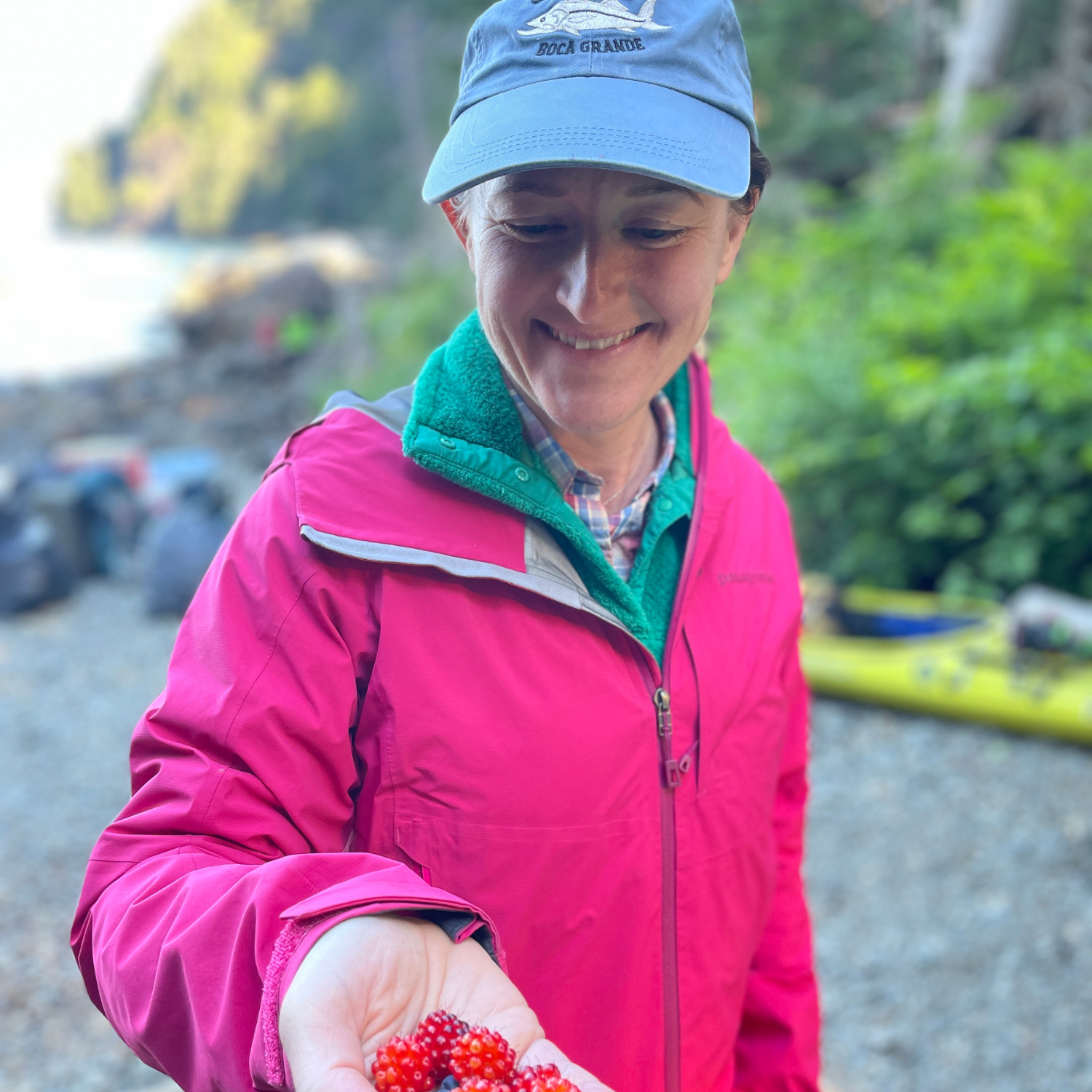
Sarah serves as the Coalition Director for the National Sustainable Agriculture Coalition, leading strategic direction and governance for this 170-member policy advocacy coalition since 2019. She has spent her career at the intersection of farms, food systems, and grassroots power-building: organizing nationally coordinated campaigns focused on advancing more sustainable, equitable federal farm and food policy over multiple farm bills, developing communities of practice for farmers and leaders in rural communities, and building community-scale, community-led food systems infrastructure in New England and the Pacific Northwest. Raised in Florida helping tend cattle and citrus groves, she is equally at home washing and packing produce for market and devising tactics for farm bill floor debates.

Plenary Speaker

Grassroots Agricultural Policy: A conversation with Sarah Hackney and Xochitl Torres Small

Xochitl Torres Small

Xochitl Torres Small

Xochitl Torres Small

John Liu

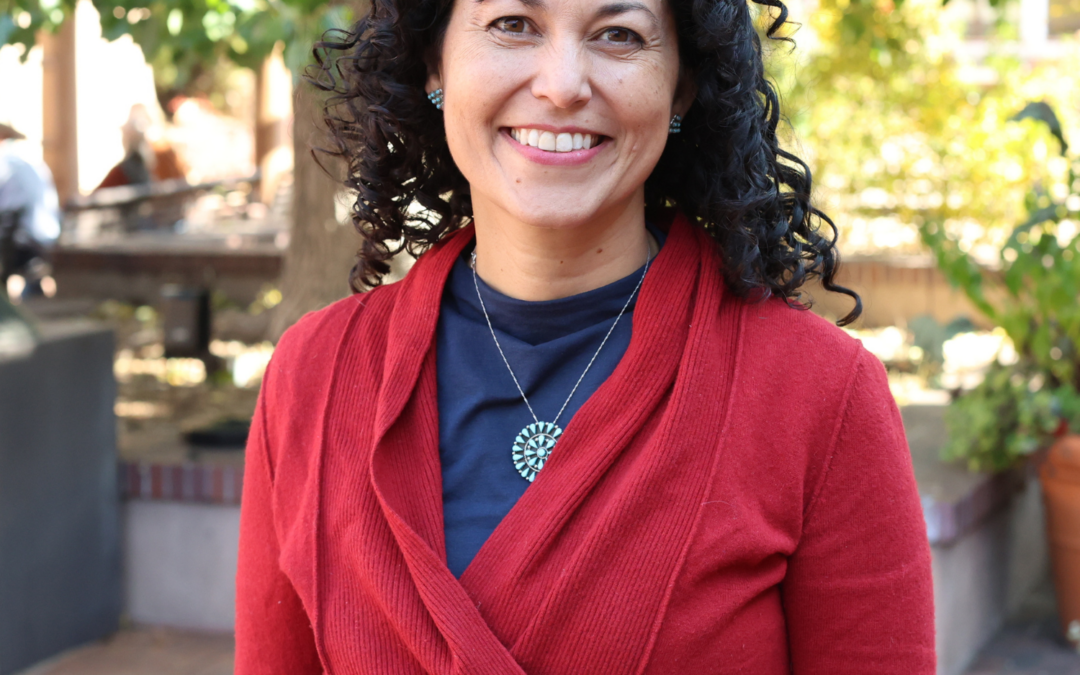
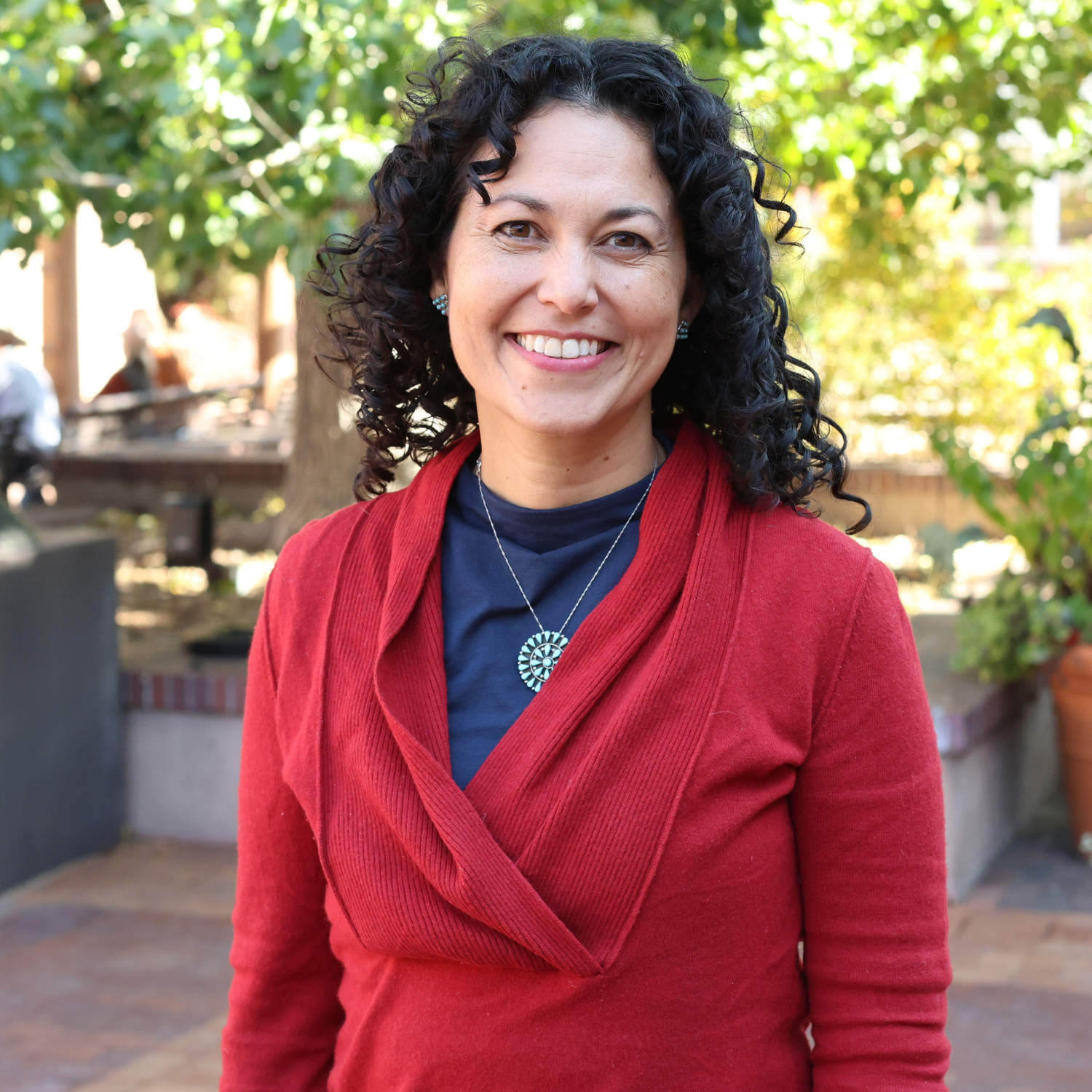
Xochitl is a sunny New Mexican who loves the land. The granddaughter of farmworkers, Xoch went on to serve her home as an attorney practicing water and natural resources law, a United States Representative, and U.S. Department of Agriculture Deputy Secretary. Now, she’s proud to continue forging solutions as executive director of Quivira Coalition, which fosters resilience on working lands.

Xochitl lives in Las Cruces, New Mexico with her husband, horses, dogs, and cats. They spend as much time as possible hunting and exploring the great outdoors.

Plenary Speaker

Grassroots Agricultural Policy: A conversation with Sarah Hackney and Xochitl Torres Small

Don Hankins

Don Hankins

Don Hankins

John Liu

Don Hankins is a distinguished professor of environmental geography at CSU Chico and the field director of the Big Chico Creek Ecological Reserve. His extensive expertise encompasses pyrogeography, water stewardship, conservation, and climate resilience. He integrates academic insights with Indigenous knowledge to engage in transdisciplinary research and actions, including prescribed and cultural burns, ecocultural restoration, and policy development. Don collaborates with various organizations, agencies, and Indigenous entities across North America and Australia, earning international recognition for his innovative work in Indigenous fire stewardship and ecocultural restoration. His leadership includes co-founding the Indigenous Peoples Burning Network and Indigenous Stewardship Network, as well as serving on the California Wildfire and Forest Resilience Task Force executive committee. He is a fellow of the California Academy of Sciences and a Grist 50 Fixer.

Plenary Speaker

Burning with Intent

Indigenous fire stewardship is a key ecocultural process that has shaped ecosystems for millennia and has enhanced soil, biodiversity, and resilience to climate change among other benefits. The removal of such processes from many places has degraded ecosystem health. Restoring Indigenous fire stewardship and related practices are critical to regenerating, maintaining, and sustaining ecosystem and cultural benefits spanning diverse places and applications. Applied studies spanning woodlands, grasslands, wetlands, rangelands, and policy illustrate the opportunities and challenges of this work.

Eric Boatti

Eric Boatti

Eric Boatti

John Liu

Eric Boatti is the Senior Manager of Farmer Advocacy at the ASPCA (American Society for the Prevention of Cruelty to Animals), and brings over a decade of experience working on and providing technical assistance to regenerative livestock farms. In his role he manages the new FACE Ag Network, a national platform for pasture-based farmers and ranchers to advocate for policies that promote humane, healthy and resilient farms and rural communities.

Roundtable Speaker

Organizing to Advance Policy Solutions that Support Regenerative Livestock Production

As public awareness of and interest in regenerative livestock systems grows, farmers and ranchers have a unique opportunity to ensure that our public policies match this demand for more humane, healthy, and resiliently-produced food. Join representatives from the FACE Ag Network- a new national network of pasture-based producers organizing to support policy solutions that benefit animals, people and the environment – to discuss how best to amplify farmer voices in the policy space. Attendees will learn about the resources and tools FACE provides to its members, while sharing their own experiences, successes, and challenges when participating in advocacy. We hope attendees will discuss the issues most affecting their farms, ask questions about the advocacy process, and explore how state and federal policy can support the adoption and viability of regenerative farming & ranching practices.

Teresa Martinez

Teresa Martinez

Teresa Martinez

John Liu

Teresa Martinez has dedicated over 35 years to advancing awareness, access, engagement, and stewardship across America’s National Trails System. A graduate of Virginia Tech, she holds both a Bachelor of Science and Master of Science degree from the Dept. of Fisheries and Wildlife. Her lifelong passion for outdoor recreation has shaped a career focused on connecting people to trails, public lands, and communities.

From 1987 to 2007, Teresa worked with the Appalachian Trail Conservancy. She then served with the Continental Divide Trail Alliance from 2007 to 2012 before co-founding the Continental Divide Trail Coalition (CDTC) in 2012. Since then, she has served as Executive Director, leading efforts to complete, protect, and elevate the Continental Divide National Scenic Trail while building a network of volunteers, partners, and supporters.

Teresa serves on the Trail Leadership Council of Partnership for the National Trails System and previously chaired the Federal Advisory Committee established to assist in development of the Pacific Northwest National Scenic Trail. She also serves as the Chair of the Board of the Next100 Coalition, advancing a more inclusive conservation movement.

In recognition of her leadership and service, Teresa received the 2019 Gerald E. Cross Alumni Leadership Award from Virginia Tech. Based in Santa Fe, New Mexico, her work is guided by a belief in the power of trails to connect people, communities, cultures, and landscapes.

Through Soil Regen, Liz works at the intersection of science, agriculture, economics, and human health, helping bridge the gap between research and real-world application. She is known for her ability to connect soil function, nutrient cycling, profitability, environmental stewardship, and long-term resilience into practical strategies that work across diverse climates and production systems.

A natural connector and collaborator, Liz has built an extensive network of producers, researchers, consultants, and industry leaders throughout agriculture. She is passionate about creating opportunities for learning, innovation, and community, bringing together diverse perspectives to advance soil health and regenerative agriculture. Whether conducting research, advising producers, developing verification systems, or leading educational events, Liz is driven by a simple belief: healthy soils create healthier farms, healthier food, healthier communities, and a healthier future.

Plenary Speaker

Regenerating Connection: Trails, Communities, and the Future of Stewardship

What does it mean to regenerate not only landscapes, but our relationship with them? Drawing from the work of the Continental Divide Trail Coalition and lessons learned across the Continental Divide landscapes, this presentation explores how stewardship must evolve to meet the challenges of the next century. Through stories of connection, community, Indigenous leadership, and landscape-scale conservation, Teresa Martinez invites the audience to move beyond traditional conservation models and re-center people, place, and belonging in the work of regeneration. Participants will be encouraged and maybe inspired to think differently about stewardship—not as a task of managing land, but as a practice of nurturing the relationships that sustain healthy landscapes, thriving communities, and future generations.