Christian LaBar

Christian LaBar

Christian LaBar

John Liu

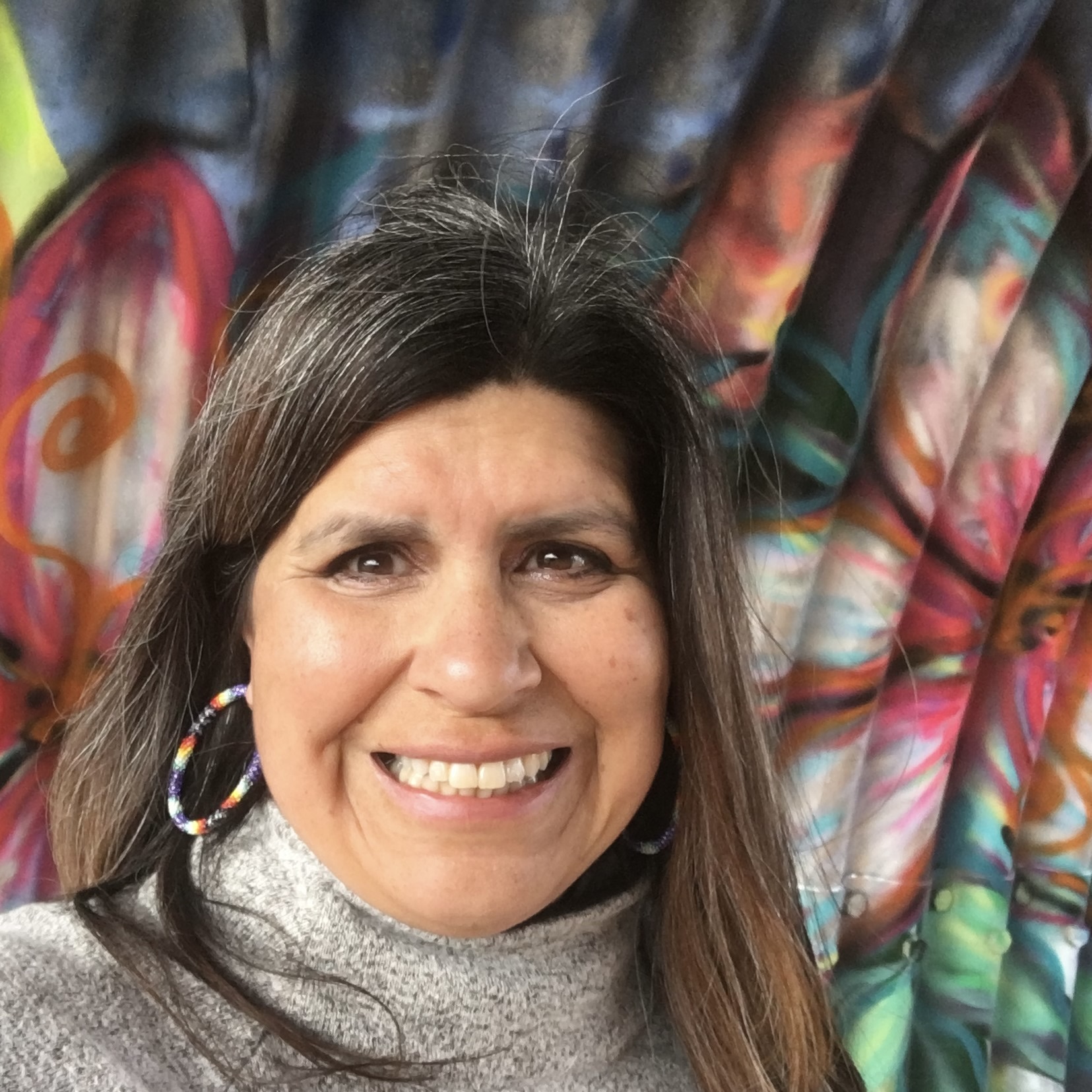
Christian is a first-generation rancher and the owner of La Bar Livestock LLC in SW Montana. Operating entirely on leased and partnered land, the operation centers on adaptive grazing management. He runs custom-grazed cattle herds and a growing owned herd in systems designed to improve forage, soil, and land health while prioritizing profitability and flexibility.

Christian works to build partnerships with landowners, investors, and conservation partners around shared, regenerative outcomes, an approach that has shaped how he accesses land, capital, and cattle. In 2026, Christian joined the Milton Ranch in Roundup, MT, balancing business, family, and community as it begins a generational succession of the ranch. He joins the team to help carry that transition forward, aligning grazing, stewardship, and long-term planning with the family’s vision for the next generation.

Plenary Panelist

Preparing to Wear the Hat: A conversation between generations

Ranch succession is a hot topic these days. Webinars and workshops abound, mainly focused on what the older generation needs to do to prepare for successful transition. But what does the younger generation need? What prepares them to take over someone else’s life work and legacy with humility, creativity and confidence? Come hear George Whitten, a 3rd generation family rancher in CO, and Christian LaBar, an entrepreneurial rancher who created his own business and has now joined the management of the Milton Ranch in Roundup MT, as they talk together about the process of letting go, giving over, taking on and being ready as ranches move from one generation to the next.

Panelists: George Whitten, Christian LaBar, and Julie Sullivan

Dr. Liz Haney

Dr. Liz Haney

Dr. Liz Haney

John Liu

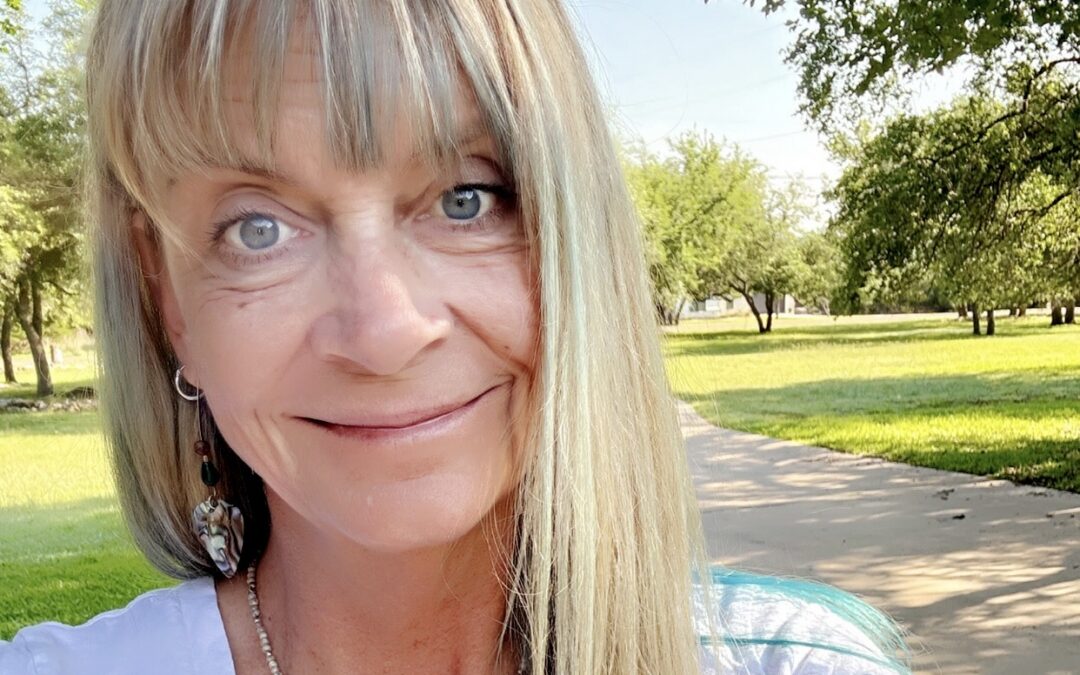
Dr. Liz Haney is a soil and ecosystem scientist, entrepreneur, educator, and innovator dedicated to helping people better understand and work with natural systems. As co-developer of the Haney Soil Health Test and the Regenerative Verified™ Program, Liz has spent her career translating complex soil biology and ecosystem science into practical tools that help farmers, ranchers, landowners, and agricultural professionals make more informed and profitable management decisions.

Through Soil Regen, Liz works at the intersection of science, agriculture, economics, and human health, helping bridge the gap between research and real-world application. She is known for her ability to connect soil function, nutrient cycling, profitability, environmental stewardship, and long-term resilience into practical strategies that work across diverse climates and production systems.

A natural connector and collaborator, Liz has built an extensive network of producers, researchers, consultants, and industry leaders throughout agriculture. She is passionate about creating opportunities for learning, innovation, and community, bringing together diverse perspectives to advance soil health and regenerative agriculture. Whether conducting research, advising producers, developing verification systems, or leading educational events, Liz is driven by a simple belief: healthy soils create healthier farms, healthier food, healthier communities, and a healthier future.

Plenary Speaker

From Numbers to Stewardship: Using Soil Tests to Guide a Land Ethic

Soil tests are more than numbers on a page—they are a language that helps us understand the health, function, and resilience of the land. Drawing on Aldo Leopold’s Land Ethic, Dr. Liz Haney explores how biological, chemical, and physical soil measurements can be integrated to evaluate ecosystem function, guide management decisions, and improve profitability. Through real-world examples from regenerative farmers and Leopold Conservation Award recipients, participants will learn how observation, measurement, and adaptive management work together to build healthier soils, stronger farms, and more resilient communities. Rather than chasing soil health scores, this session focuses on understanding constraints, supporting natural processes, and using soil tests as tools for stewardship.

Christine Martin

Christine Martin

Christine Martin

John Liu

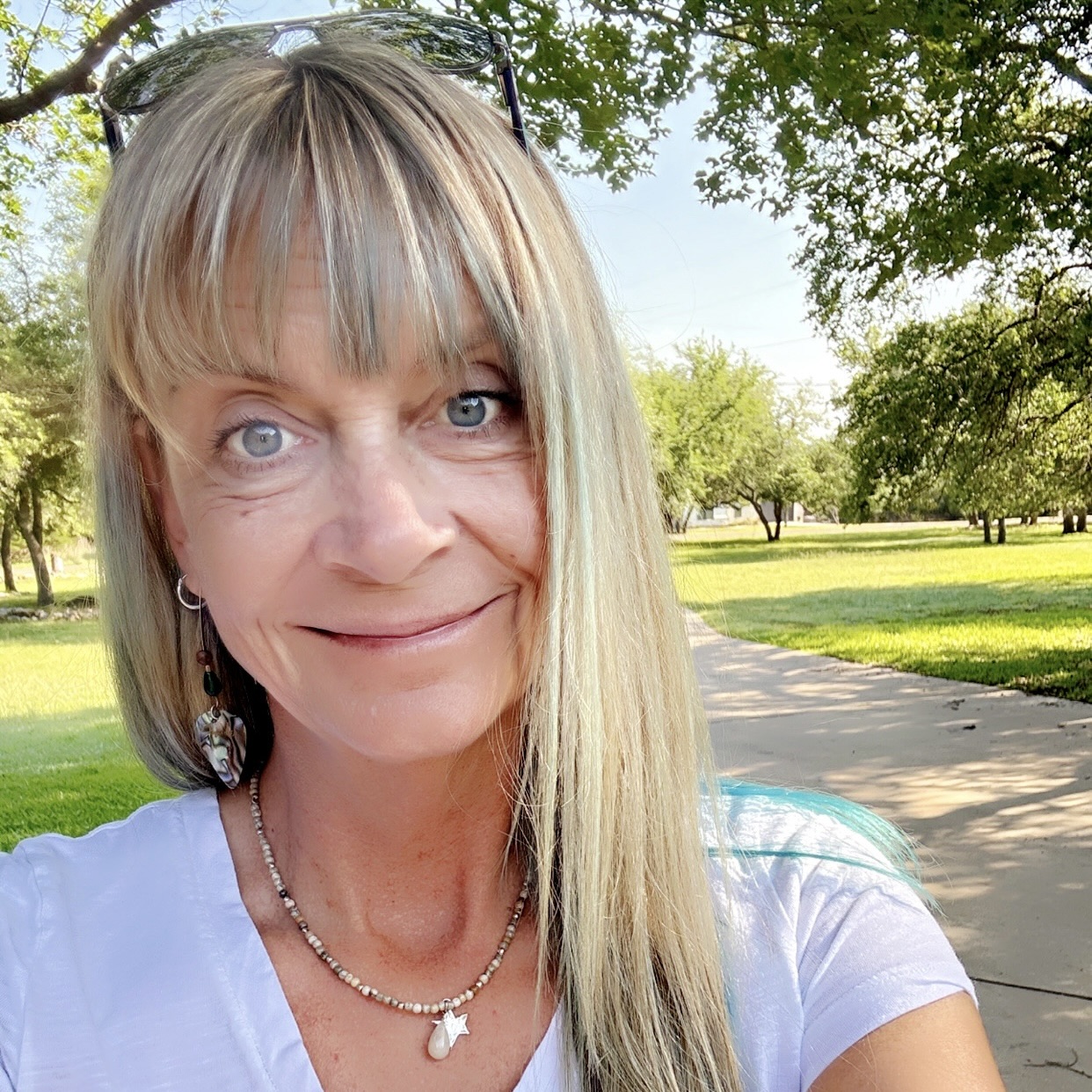
Christine Martin lives in Leon County, TX where she raises clean (no chemicals, hormones or antibiotics) and nutrient dense beef (Dexters), chicken, turkey and eggs which she sells as meat direct to consumer. Using Holistic Management principles and practices, the livestock are managed to allow the four fundamental ecosystem functions to be restored thus improving the health of her land and an increase in carrying capacity. As a Holistic Management International Professional Certified Educator, Christine has coached clients in improving their land, their finances and their quality of life, moving them towards their dream life! Christine was born in Argentina from a ranching family, raised in Brazil and moved to Michigan to earn a B.S. in Business at Eastern Michigan University and M.S. in Agricultural Economics at Michigan State University.

Roundtable Facilitator

When the Land Isn’t the Problem: Exploring the Human Side of Regeneration

Many land stewards adopt regenerative practices expecting better outcomes, yet still feel stuck or uncertain in their decisions. This roundtable explores the role of the human in land stewardship—how mindset, internal narratives, and conditioned tendencies can become the limiting factor. Together, we’ll reflect on where we may be forcing outcomes or second-guessing ourselves, and how greater awareness can lead to clearer thinking and more effective stewardship. This is not about adding more tools, but about seeing more clearly.

Anne Phillips

Anne Phillips

Anne Phillips

John Liu

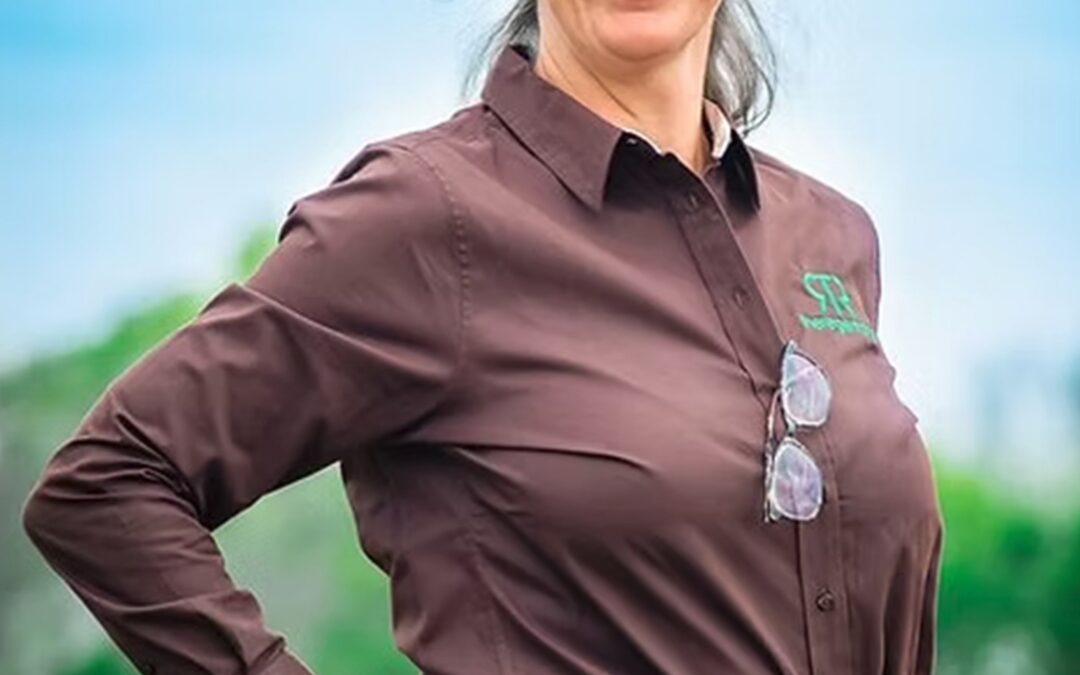
Anne Phillips and her husband Jim milk 135 crossbred cows on their 315 acre farm in Marathon, NY. They have been operating as a seasonal dairy for almost 30 years; certified organic since 2007; 100% grass-fed certified since 2014 and in 2025 became a certified Regenerative dairy. The Phillips ship their 100% A2 milk to the Origin Nutrition company. Anne and Jim also raise 50 Dorset sheep for meat sales, mainly targeting the Easter market. Anne would like to diversify more—get back into producing beef and pork for direct market channels, and possibly even open a farm-store, but for now, she is too busy with furthering her education in the areas of Permaculture and Regenerative Soils along with her consulting and involvement with HMI as a Holistic Management Educator.

Roundtable Facilitator

Exploring the Many Paths to Improving Animal Health & Performance

Any livestock operator must be able to understand the basics of animal care and health. Yet many people, whether new or experienced livestock producers, note that animal care, handling, and overall health and performance is an ongoing learning curve. In this roundtable we will explore how people have set up policies and procedures to be proactive in improving animal health and performance. We will explore what are people’s challenges and what are the tools and networks they have created to address these needs whether for their own personal considerations or because of additional animal welfare requirements for certification.

Holly Napier

Holly Napier

Holly Napier

John Liu

Holly Napier was raised in the mountains near Durango, Colorado, where her family’s outdoor education business fostered a lifelong connection to the natural world and experiential learning. She holds an M.Agr. in Agricultural Sciences–Integrated Resource Management and a Graduate Certificate in Applied Global Stability in Agriculture from Colorado State University.

Holly’s professional experience includes managing a diversified livestock farm producing pasture-raised poultry, eggs, lamb, and goat meat, as well as serving as office and production manager for her local USDA-inspected meat processing facility. In these roles, she worked closely with livestock producers and local food systems throughout the Four Corners region. Since 2022, she has worked with Quivira’s New Agrarian Program, supporting apprentices and mentors while helping cultivate the next generation of farmers and ranchers through hands-on training, mentorship, and professional development.

Roundtable Facilitator

Challenges and Opportunities for Beginning Farmers and Ranchers

This facilitated roundtable invites beginning farmers and ranchers to discuss their experiences developing agricultural skills, training opportunities, and adapting to climate and environmental challenges. Participants will have the opportunity to share experiences, identify current challenges, and discuss practical solutions for strengthening the next generation of agricultural producers. Whether you are just getting started or several years into your ag journey, we welcome you to come and join this discussion.

Erin Upton

Erin Upton

Erin Upton

John Liu

Erin is a social scientist partnering with AFT’s national staff to advance collaborative research with farmers, ranchers, landowners, rural communities, and other partners to better understand the social drivers of agricultural resilience. Erin has a doctorate in Earth, Environment, and Society from Portland State University. Her research focuses on understanding the human dimensions of complex environmental challenges, including how water governance and climate change impact decision-making for farmers in agricultural regions. She has extensive experience conducting research in agricultural regions in North America, South Africa, and Australia.

Roundtable Facilitator