
Teresa Martinez
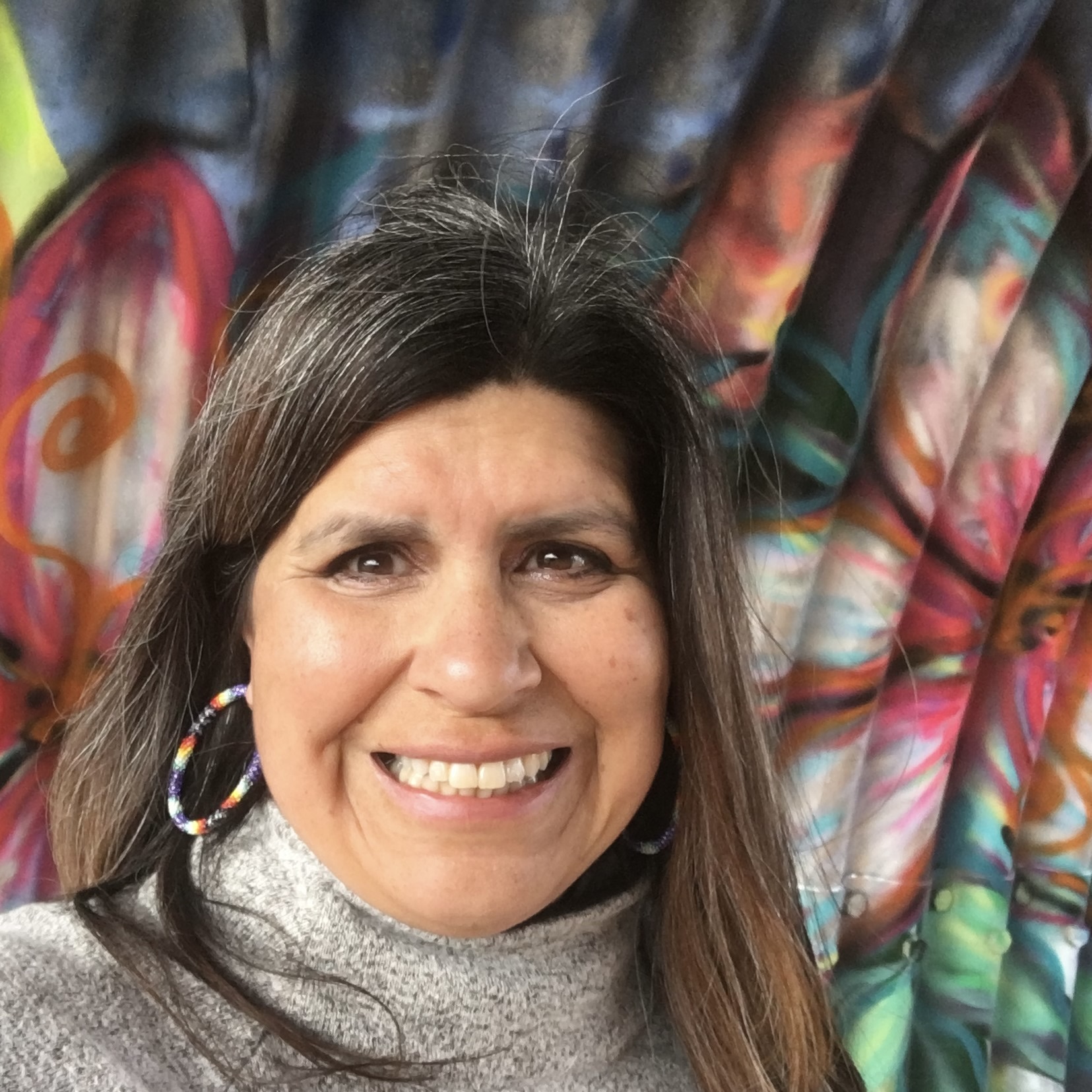
Teresa Martinez has dedicated over 35 years to advancing awareness, access, engagement, and stewardship across America’s National Trails System. A graduate of Virginia Tech, she holds both a Bachelor of Science and Master of Science degree from the Dept. of Fisheries and Wildlife. Her lifelong passion for outdoor recreation has shaped a career focused on connecting people to trails, public lands, and communities.
From 1987 to 2007, Teresa worked with the Appalachian Trail Conservancy. She then served with the Continental Divide Trail Alliance from 2007 to 2012 before co-founding the Continental Divide Trail Coalition (CDTC) in 2012. Since then, she has served as Executive Director, leading efforts to complete, protect, and elevate the Continental Divide National Scenic Trail while building a network of volunteers, partners, and supporters.
Teresa serves on the Trail Leadership Council of Partnership for the National Trails System and previously chaired the Federal Advisory Committee established to assist in development of the Pacific Northwest National Scenic Trail. She also serves as the Chair of the Board of the Next100 Coalition, advancing a more inclusive conservation movement.
In recognition of her leadership and service, Teresa received the 2019 Gerald E. Cross Alumni Leadership Award from Virginia Tech. Based in Santa Fe, New Mexico, her work is guided by a belief in the power of trails to connect people, communities, cultures, and landscapes.
Publications
Plenary Speaker
Regenerating Connection: Trails, Communities, and the Future of Stewardship
What does it mean to regenerate not only landscapes, but our relationship with them? Drawing from the work of the Continental Divide Trail Coalition and lessons learned across the Continental Divide landscapes, this presentation explores how stewardship must evolve to meet the challenges of the next century. Through stories of connection, community, Indigenous leadership, and landscape-scale conservation, Teresa Martinez invites the audience to move beyond traditional conservation models and re-center people, place, and belonging in the work of regeneration. Participants will be encouraged and maybe inspired to think differently about stewardship—not as a task of managing land, but as a practice of nurturing the relationships that sustain healthy landscapes, thriving communities, and future generations.