Dr. Liz Haney
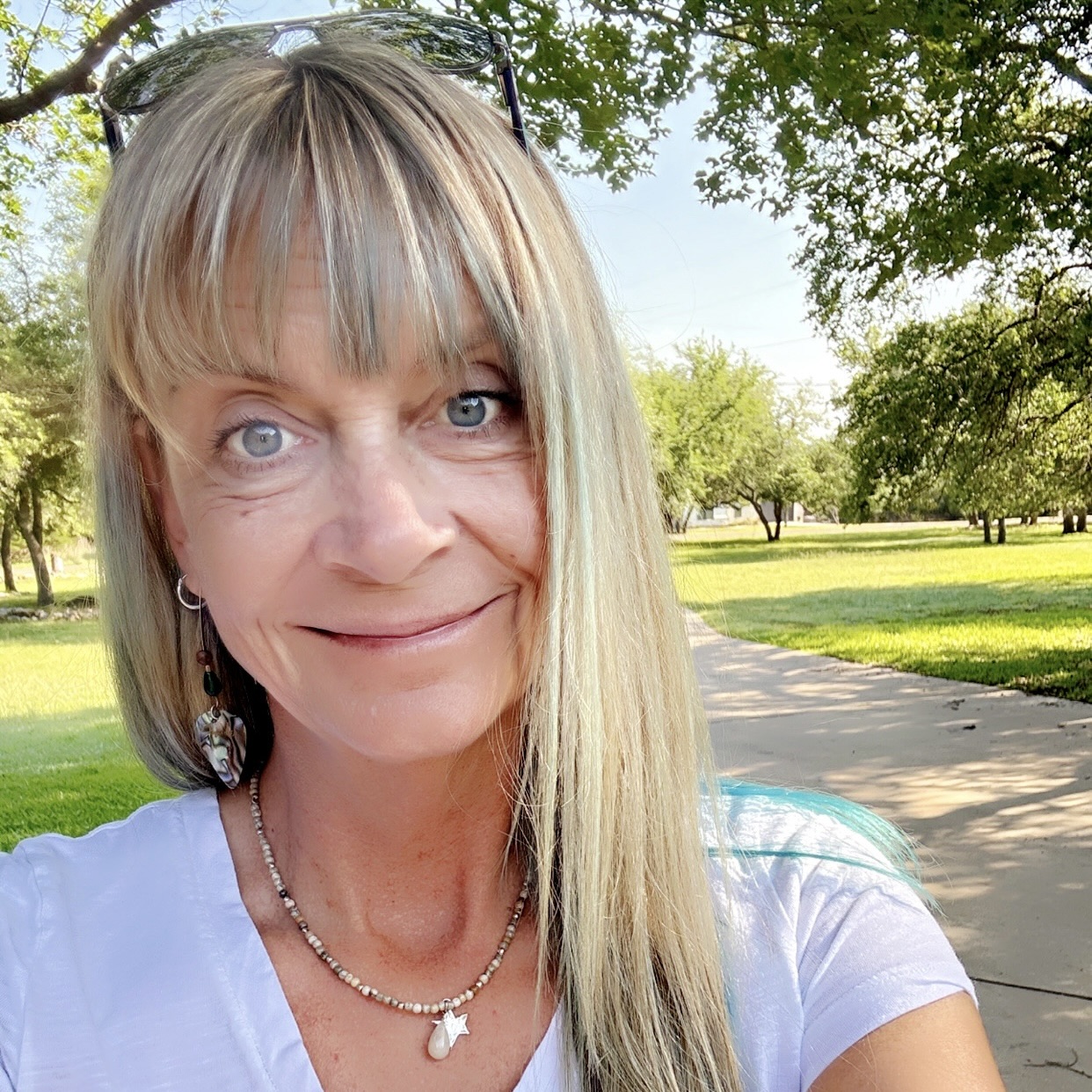
Dr. Liz Haney is a soil and ecosystem scientist, entrepreneur, educator, and innovator dedicated to helping people better understand and work with natural systems. As co-developer of the Haney Soil Health Test and the Regenerative Verified™ Program, Liz has spent her career translating complex soil biology and ecosystem science into practical tools that help farmers, ranchers, landowners, and agricultural professionals make more informed and profitable management decisions.
Through Soil Regen, Liz works at the intersection of science, agriculture, economics, and human health, helping bridge the gap between research and real-world application. She is known for her ability to connect soil function, nutrient cycling, profitability, environmental stewardship, and long-term resilience into practical strategies that work across diverse climates and production systems.
A natural connector and collaborator, Liz has built an extensive network of producers, researchers, consultants, and industry leaders throughout agriculture. She is passionate about creating opportunities for learning, innovation, and community, bringing together diverse perspectives to advance soil health and regenerative agriculture. Whether conducting research, advising producers, developing verification systems, or leading educational events, Liz is driven by a simple belief: healthy soils create healthier farms, healthier food, healthier communities, and a healthier future.
Plenary Speaker
From Numbers to Stewardship: Using Soil Tests to Guide a Land Ethic
Soil tests are more than numbers on a page—they are a language that helps us understand the health, function, and resilience of the land. Drawing on Aldo Leopold’s Land Ethic, Dr. Liz Haney explores how biological, chemical, and physical soil measurements can be integrated to evaluate ecosystem function, guide management decisions, and improve profitability. Through real-world examples from regenerative farmers and Leopold Conservation Award recipients, participants will learn how observation, measurement, and adaptive management work together to build healthier soils, stronger farms, and more resilient communities. Rather than chasing soil health scores, this session focuses on understanding constraints, supporting natural processes, and using soil tests as tools for stewardship.