Elsie DuBray

Elsie DuBray

Elsie DuBray
Find this speaker online

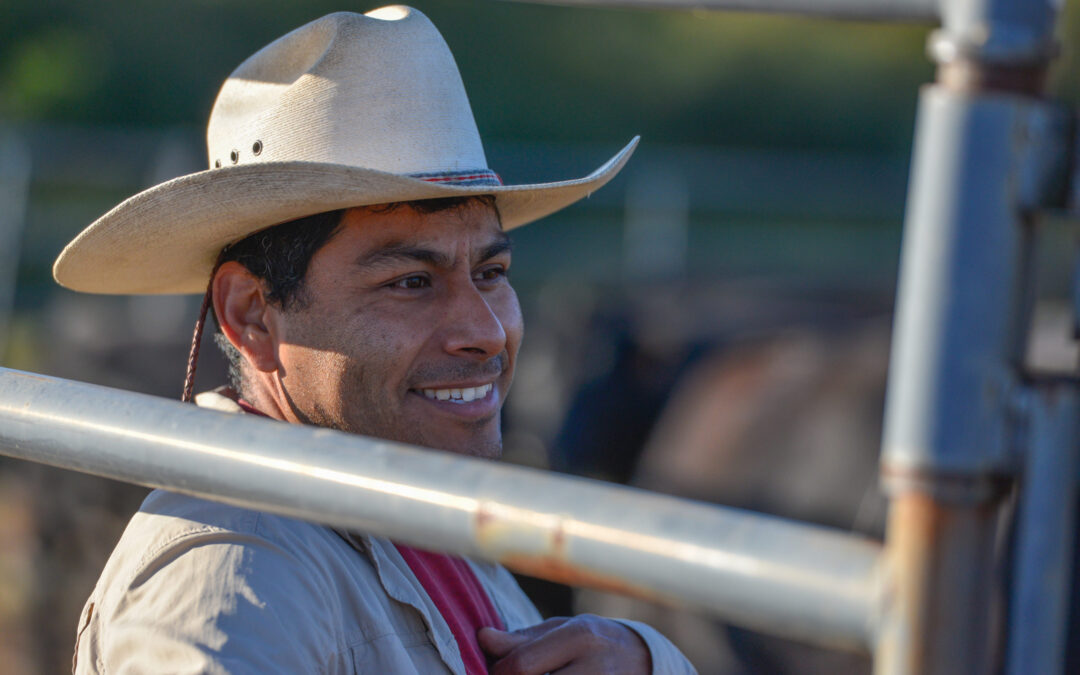
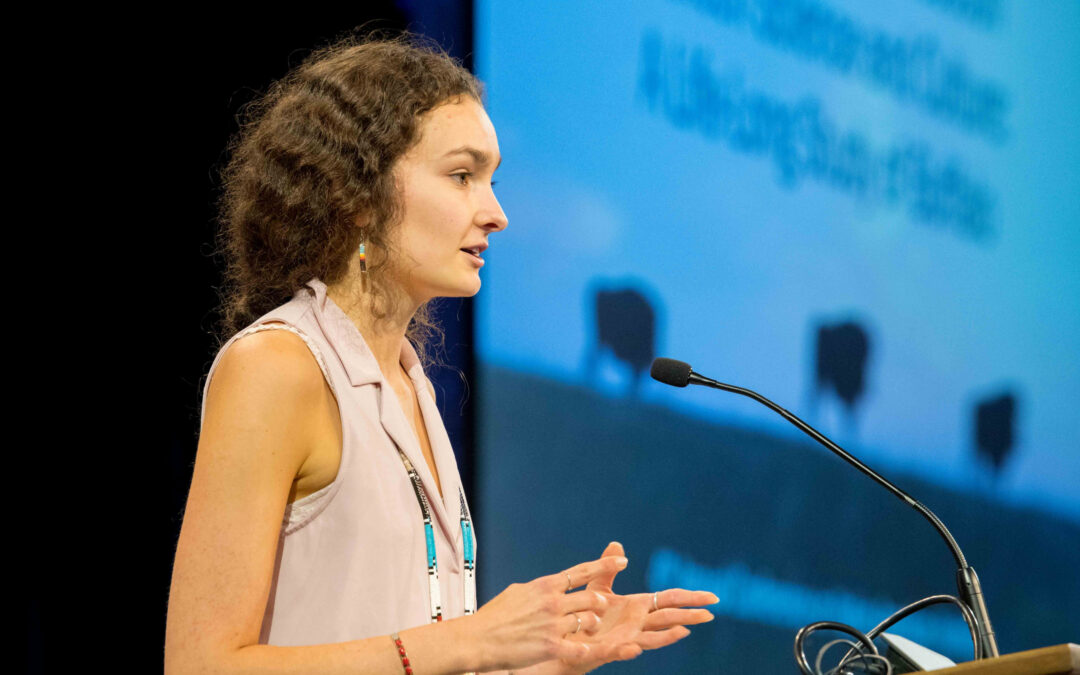
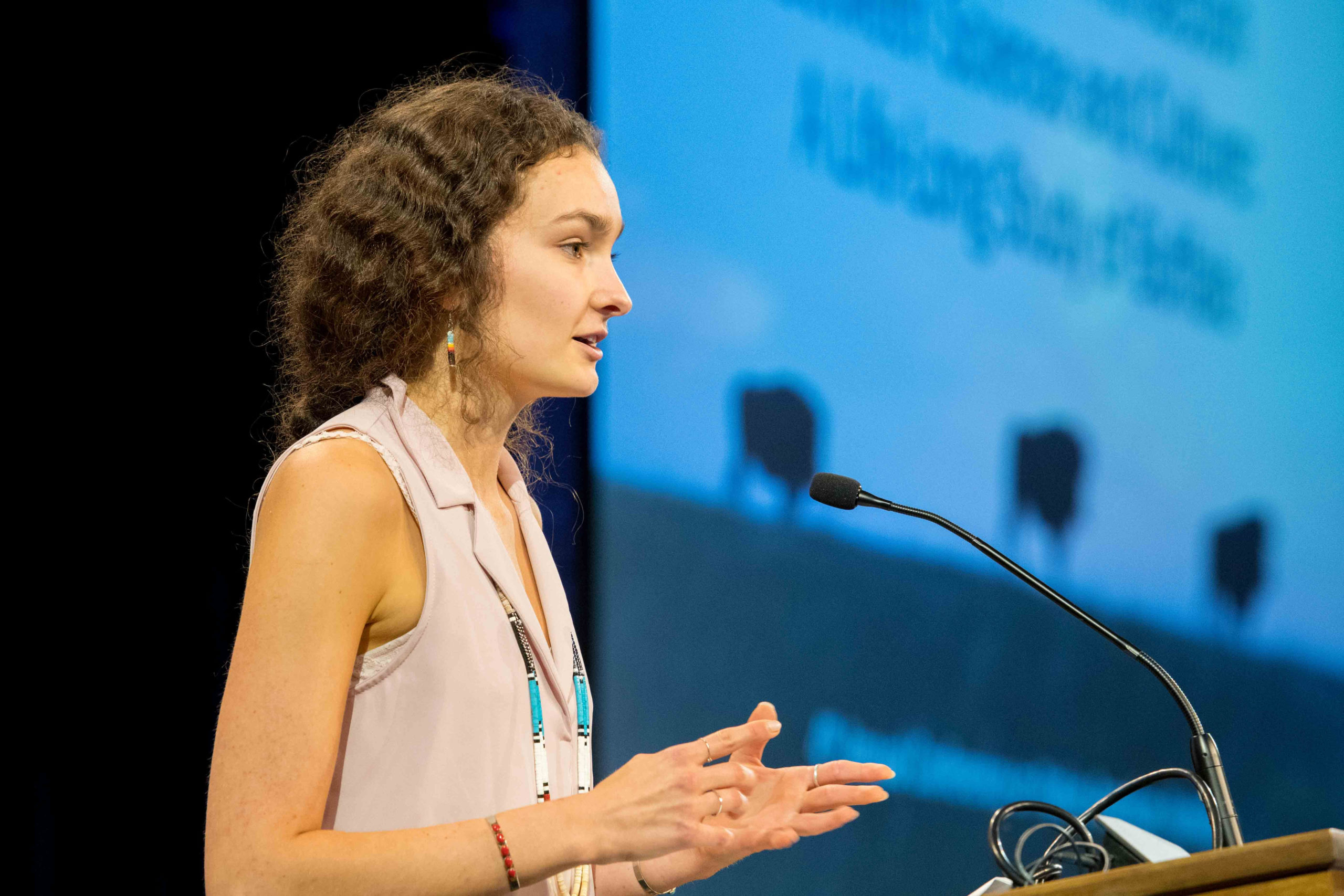
Elsie lives on a buffalo ranch on the Cheyenne River Reservation in South Dakota. Elsie is Oohenunpa Lakota on her father Fred DuBray’s side, and is an enrolled member of the Cheyenne River Sioux Tribe. She also comes from the Mandan Hidatsa and Arikara Nation on her mother Michelle Fredericks-DuBray’s side. Elsie is a junior at Stanford University majoring in Human Biology with a concentration in the biochemical applications in the holistic health and wellbeing of Indigenous communities. She is also pursuing a minor in Native American Studies. Elsie’s passion for science and desire to address disparate health outcomes led to her research into the health benefits of grass-fed buffalo meat. Her research is most important to her because of the potential it has to contribute to ongoing efforts of health restoration in Indigenous communities. Elsie and her dad Fred were featured in Gather (2020), a film highlighting Native food sovereignty across what is now known as the United States. While adjusting to her first year at Stanford, she was able to apply her research to larger concepts of holistic health and wellness in Native communities. She is currently engaging in this work through conversations on Native food sovereignty, as it is urgent and beautifully encapsulates holistic Indigenous health wellbeing. Inspired and empowered by her father, Elsie dedicates her life to helping bring back the Buffalo with honor and integrity for the sake of the People, Buffalo, and Land.

Plenary Panel

Decolonizing Regenerative Agriculture – With the film production team of Gather

There is already vast knowledge in our collective histories to guide us out of climate disaster, racial inequity, and land degradation. This panel will include discussion among Indigenous and BIPOC leaders of ways we can reframe our relationship to land and how we can work together to heal soils and other natural systems, grow healthy crops and livestock, and along the way also heal ourselves. We will explore the reintroduction of Indigenous frameworks for psychological connection and relationship with our lands, with a focus on recognizing and dismantling the current extractive systems and structures that continue to colonize the minds of land stewards.

Sanjay Rawal

Sanjay Rawal

Sanjay Rawal

Find this speaker online

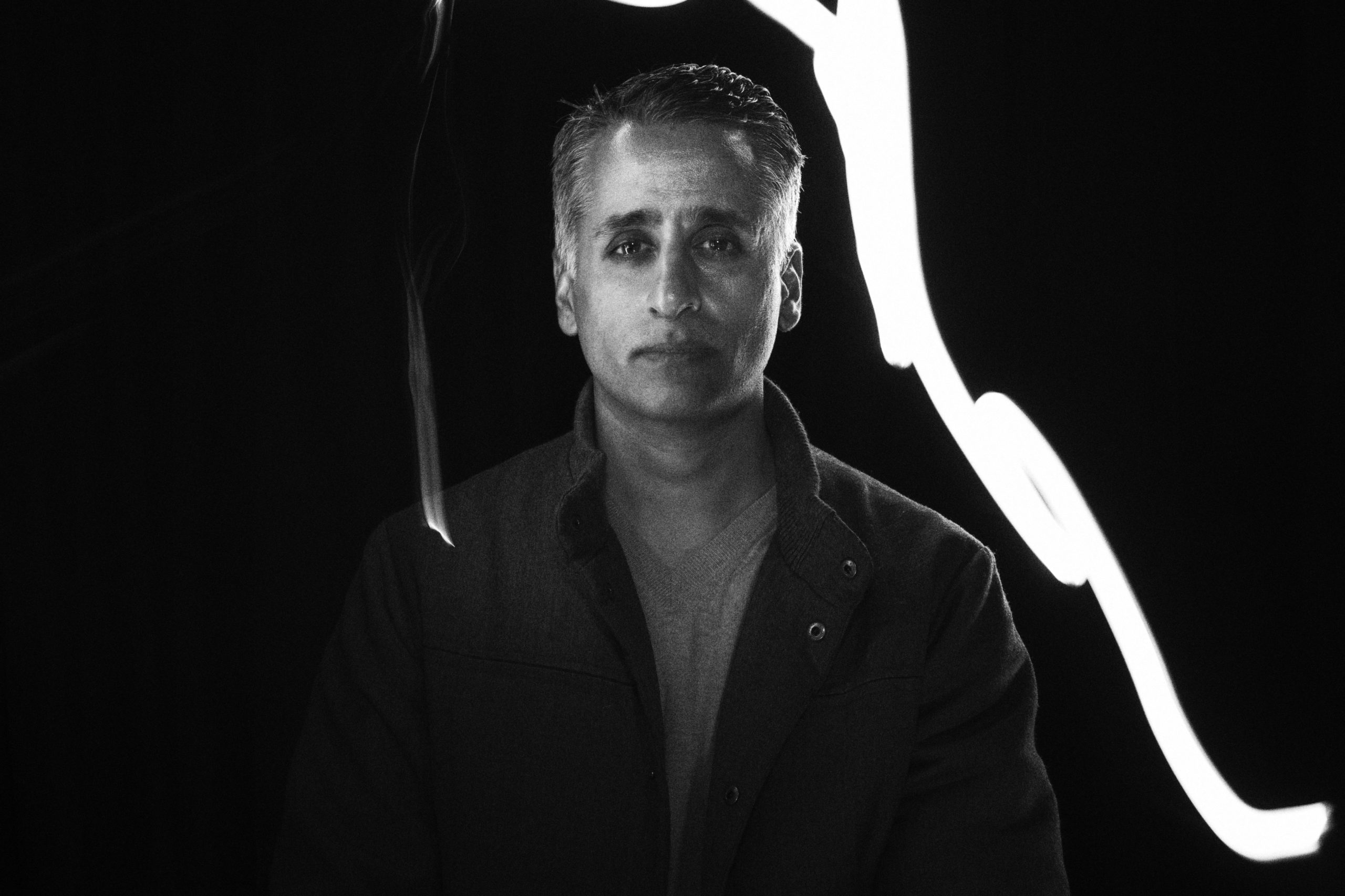
A James Beard Award winning filmmaker, Sanjay made FOOD CHAINS (EP Eva Longoria, Eric Schlosser) which chronicled the battle of the Coalition of Immokalee Workers, a small group of Oaxacan and Chiapan indigenous farmworkers in Florida, against the largest agribusiness conglomerates in the world. The film was released theatrically in a number of countries (Screen Media in the US) and won numerous awards – including citations from the US Conference of Mayors, the Clinton Global Initiative and the White House. The film was also a Winner (shared) of the 2016 BritDoc Impact award and several festival prizes.

Sanjay’s last film 3100: RUN AND BECOME won several festival prizes, had a robust theatrical release in the US in 2018 and is opening in traditional theatrical engagements across Europe and Australia in 2020 and 2021.

Plenary Panel

Decolonizing Regenerative Agriculture – With the film production team of Gather

There is already vast knowledge in our collective histories to guide us out of climate disaster, racial inequity, and land degradation. This panel will include discussion among Indigenous and BIPOC leaders of ways we can reframe our relationship to land and how we can work together to heal soils and other natural systems, grow healthy crops and livestock, and along the way also heal ourselves. We will explore the reintroduction of Indigenous frameworks for psychological connection and relationship with our lands, with a focus on recognizing and dismantling the current extractive systems and structures that continue to colonize the minds of land stewards.
Kate Clyatt

Kate Clyatt

Kate Clyatt

Find this speaker online

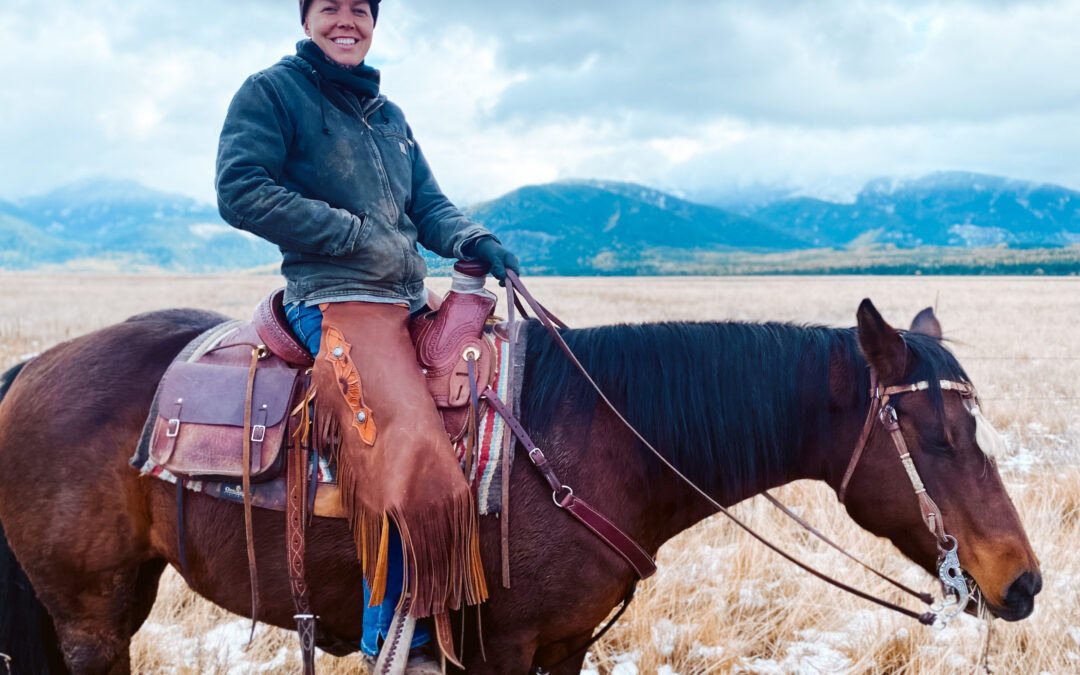
Kate is a former New Agrarian Program apprentice who has found her place ranching in the Blackfoot Valley of western Montana. She holds multiple degrees in Forestry and worked as a natural resource consultant across the Northern Rockies before deciding that land management needed a more holistic approach and she’d like to learn a little something about grasslands. After living in both rural and urban communities across the West, Kate has happily put down roots in the most vibrant and engaged rural community she has ever encountered. Kate splits her time between working cows on the Mannix Brothers Ranch and engaging local landowners in community-driven drought management for the Blackfoot Challenge, a grassroots conservation organization with a long history of success in collaborative resource management.

Plenary Panel

Activating Where You Are: Community Engagement in Rural Spaces


Rodrigo Sierra-Corona

Rodrigo Sierra-Corona

Rodrigo Sierra-Corona

Find this speaker online

Ecologist by training, conservationist by heart and cattle rancher by accident, Rodrigo’s mission is to bridge the gap between cattle grazing, biodiversity conservation and science. Rodrigo has worked in rangeland management and wildlife conservation for 18 years studying and addressing the effects of livestock grazing on native grassland ecosystems in Northern Mexico and more recently in California.

Plenary Panel

Collaborative Land Restoration for Resilience

This conference has illuminated, time and time again, diversities of innovative and collaborative restoration projects.These projects work across many different ecological fields, including watershed health, ecological function, soil health, and more. This panel brings together a group of folks to discuss unique and emergent forms of collaborative land restoration.

Speakers

Darrell Oswald

Valerie Small

Rodrigo Sierra-Corona

Aubrey Streit Krug

A-dae Romero-Briones

A-dae Romero-Briones

A-dae Romero-Briones​

Find this speaker online

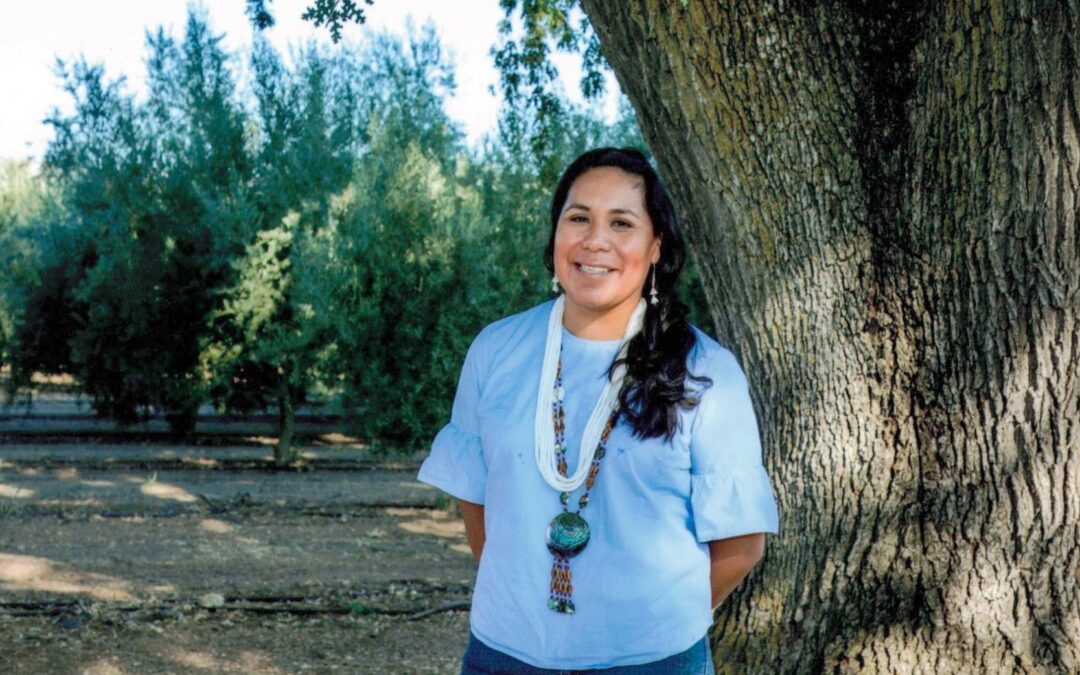
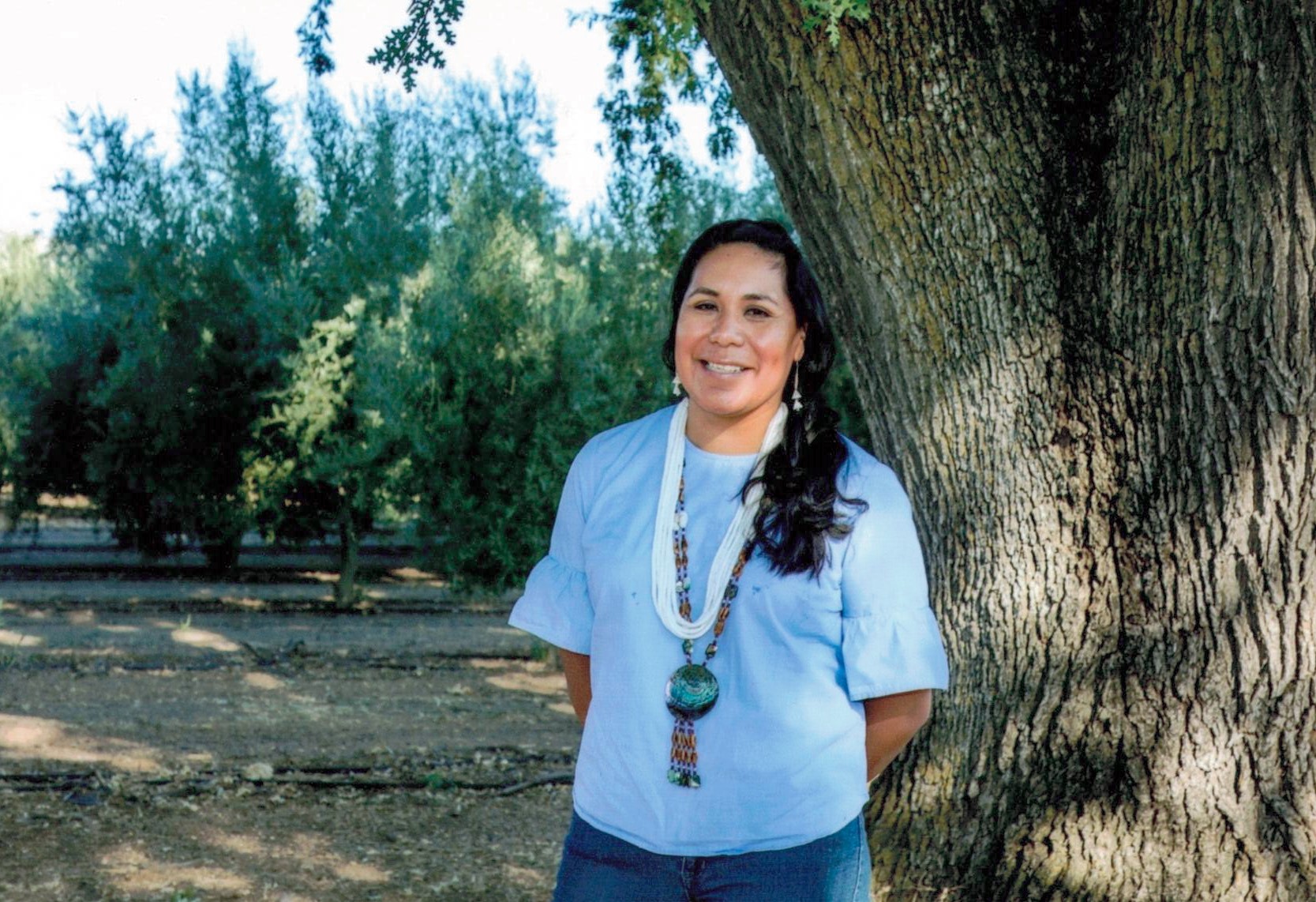
A-dae was born and raised in Cochiti Pueblo, NM. She also comes from the Kiowa Ware/Komalty/Amauty Family from Hog Creek, Oklahoma. She is the Director of the Native Agriculture and Food Systems Program at First Nations Development Institute. She formerly was the Director of Community Development for Pūlama Lāna‘i in Hawaii, and is also the co-founder and former Executive Director of a nonprofit organization in Cochiti Pueblo, New Mexico. A U.S. Fulbright Scholar, A-dae received her Bachelor of Arts degree in Public Policy from Princeton University, and received a Law Doctorate from Arizona State University’s College of Law, in addition to her LL.M. degree in Food and Agricultural Law from the University of Arkansas.

Plenary Panel

Community Resilience in Agriculture During Uncertain Times

and

Decolonizing Regenerative Agriculture – With the film production team of Gather

There is already vast knowledge in our collective histories to guide us out of climate disaster, racial inequity, and land degradation. This panel will include discussion among Indigenous and BIPOC leaders of ways we can reframe our relationship to land and how we can work together to heal soils and other natural systems, grow healthy crops and livestock, and along the way also heal ourselves. We will explore the reintroduction of Indigenous frameworks for psychological connection and relationship with our lands, with a focus on recognizing and dismantling the current extractive systems and structures that continue to colonize the minds of land stewards.
Marshall Johnson

Marshall Johnson

Marshall Johnson

Find this speaker online

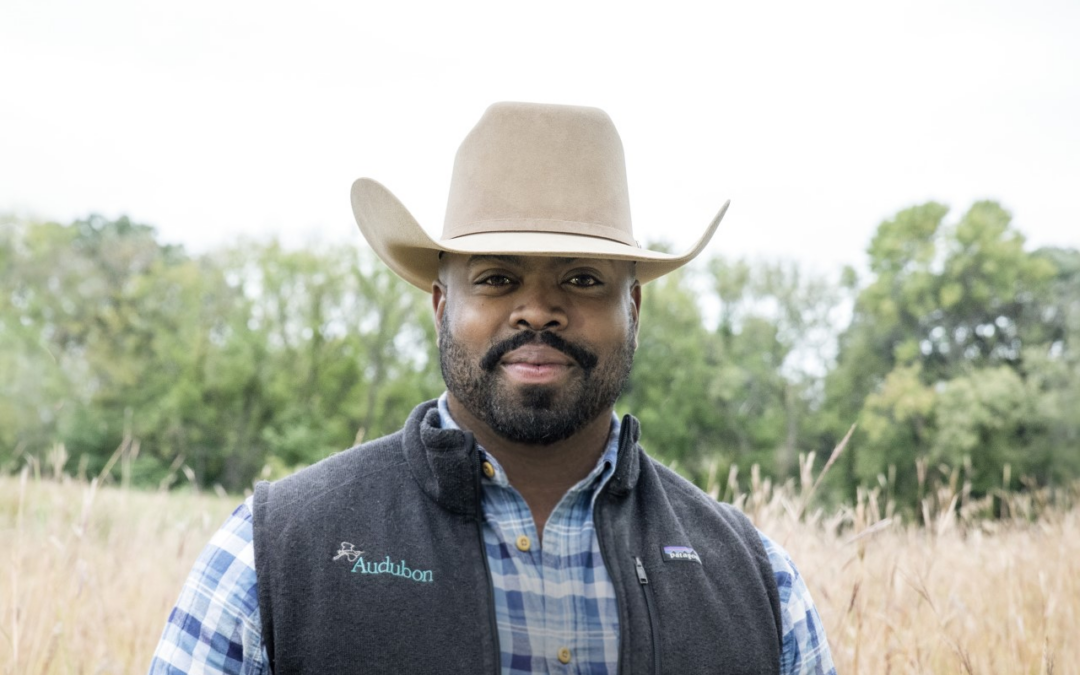
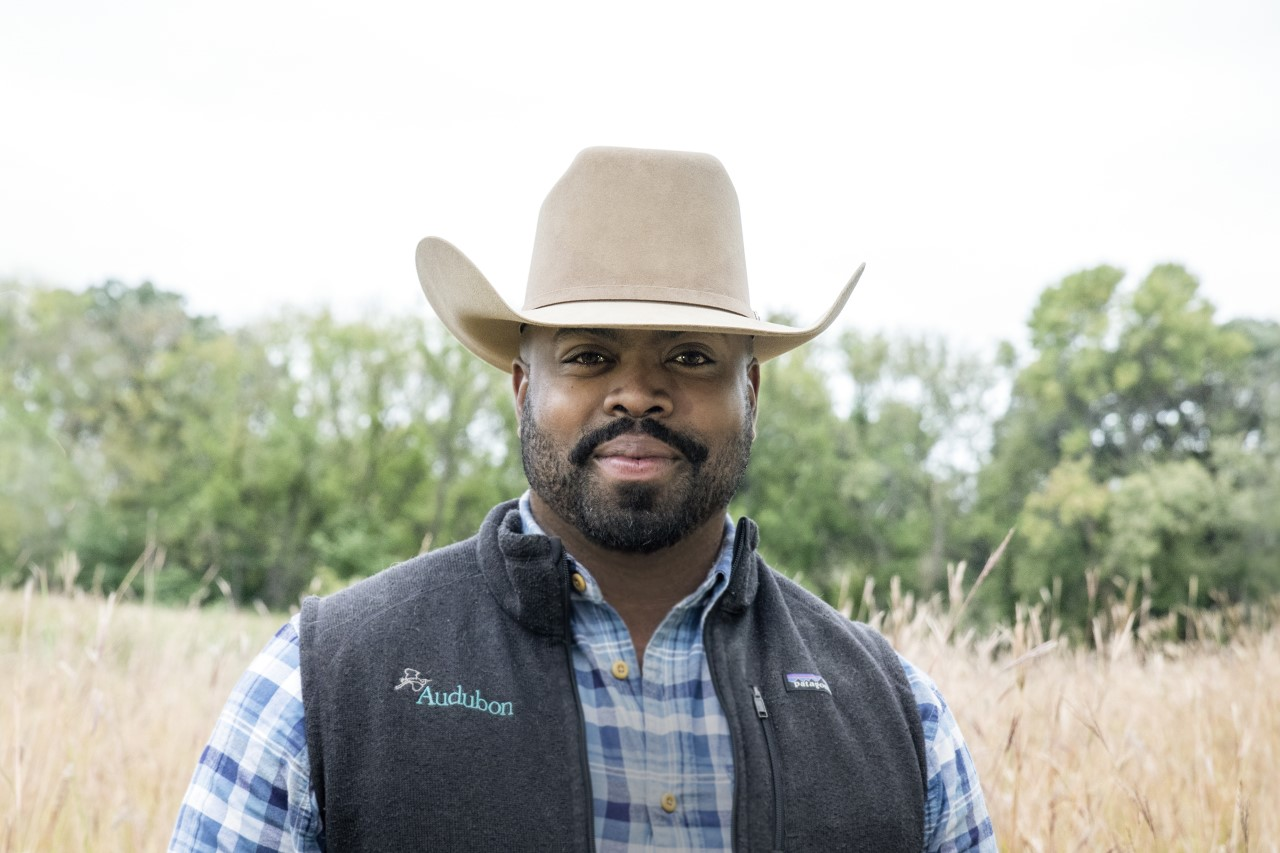
Marshall serves as Vice-President of the National Audubon Society, where, for the past decade, he’s worked to build rural and urban community-focused habitat and ecosystem programs. Equipped with a business degree from the University of Minnesota, Marshall strives to bring conservation into the 21st century, creating eco-friendly profit centers and urban habitat initiatives driven by the ecosystem services they provide to communities. Marshall’s pioneering work in the Dakotas brings farmers, ranchers, retailers and consumers together with grasslands, herds and birds into win-win alignment. The groundbreaking market-based Conservation Ranching Program now enrolls more than 2,300,000 acres across 96 ranches. Additionally, creating safe passage and respite for wildlife and wild humans within an urban context has been a priority of Audubon Dakota under Marshall’s leadership, with the program now managing the largest urban conservation program in the Northern Great Plains.

“If we don’t fundamentally change what we’re doing, our grandkids will talk about grasslands, butterflies and birds the way we now talk about department stores and dinosaurs.”- Marshall

Plenary Panel

Creative Marketing for Expanding Regenerative Agriculture Sales

The current period of extreme change has revealed a need for creative marketing of agricultural products. This panel will introduce and discuss innovative marketing ideas, including developing coalitions of ranchers and farmers to lead new efforts in processing and marketing meat; incentivizing consumers to support regenerative ranching by marketing the ecosystems services they restore and conserve (e.g. wildlife and carbon sequestration); developing online farmers markets; and marketing grass-fed beef.