
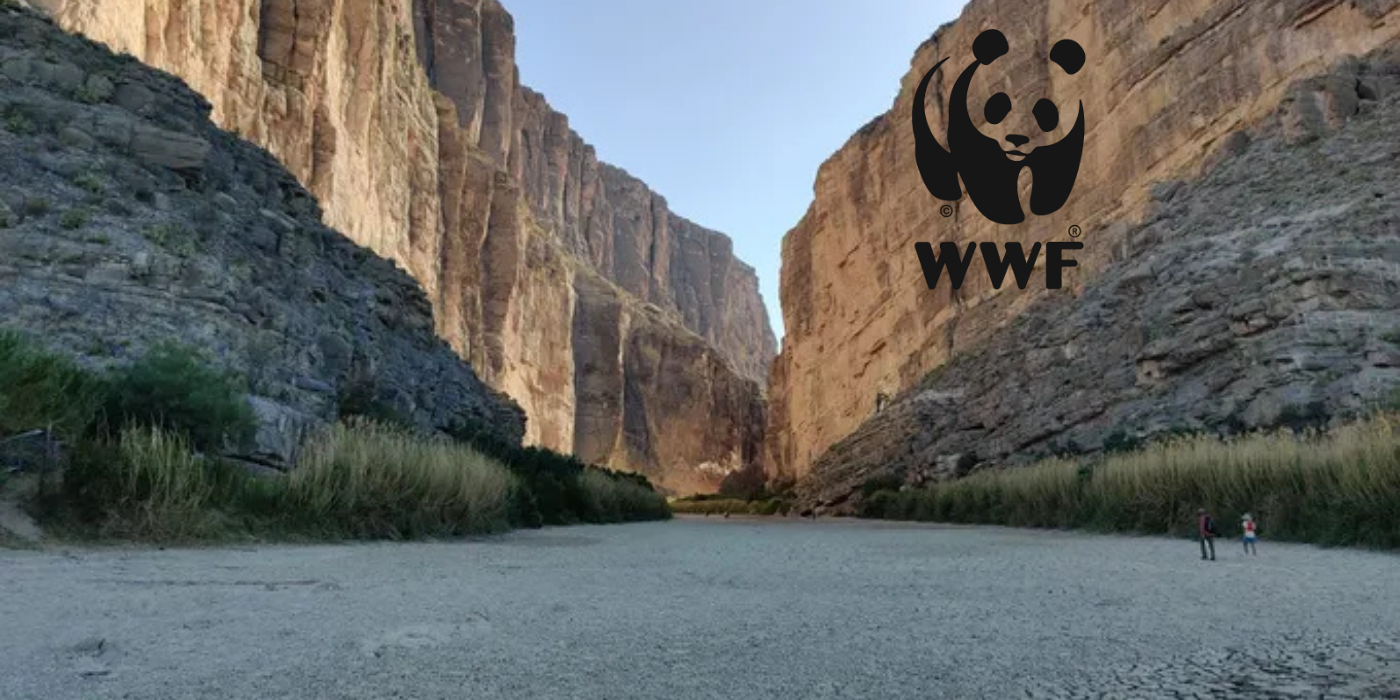
Return to Rio: Restoring the endangered and climate-stressed Rio Grande
This presentation explores the Rio Grande-Bravo, a 3,000 km river that runs through the Southern Great Plains and the Chihuahuan Desert, one of the most biodiverse deserts in the world. The basin supports more than 16 million people, 2 million acres of cropland, and rich ecosystems, but it is under growing pressure from climate change and human water use. Today, about half of the basin’s water comes from natural river flow and groundwater recharge, while the other half relies on rivers, reservoirs, and aquifers that are being depleted. The session highlights how these changes are creating an uncertain water future for communities, agriculture, industry, and nature.
The presentation will share WWF’s work across the basin, including partnerships with public agencies, civil society, and the private sector to improve planning, farming practices, and ecosystem restoration. It will also summarize efforts to measure water use across sectors—agricultural, municipal, industrial, and more—along with losses from reservoir evaporation and riparian evapotranspiration. Attendees will learn about changes in water storage, river flows, and current conditions during one of the most extreme drought periods on record. The session aims to inspire action, discuss challenges in basin planning and the future of agriculture, and invite participants to share ideas and solutions that can help overcome barriers and support regenerative approaches in the Rio Grande-Bravo and beyond.
Questions? Contact enrique.prunes@wwfus.org.
Enrique Prunes is the Rio Grande Manager and Freshwater Lead Specialist at World Wildlife Fund US. He provides leadership on the WWF Freshwater Team for issues and solutions related to agricultural water management, groundwater, and surface water hydrology, and related science and policy areas to address the drivers and threats to biodiversity and freshwater ecosystems due to changes in agriculture and water scarcity challenges globally.