Linda Pechin-Long

Linda Pechin-Long

Linda Pechin-Long

John Liu

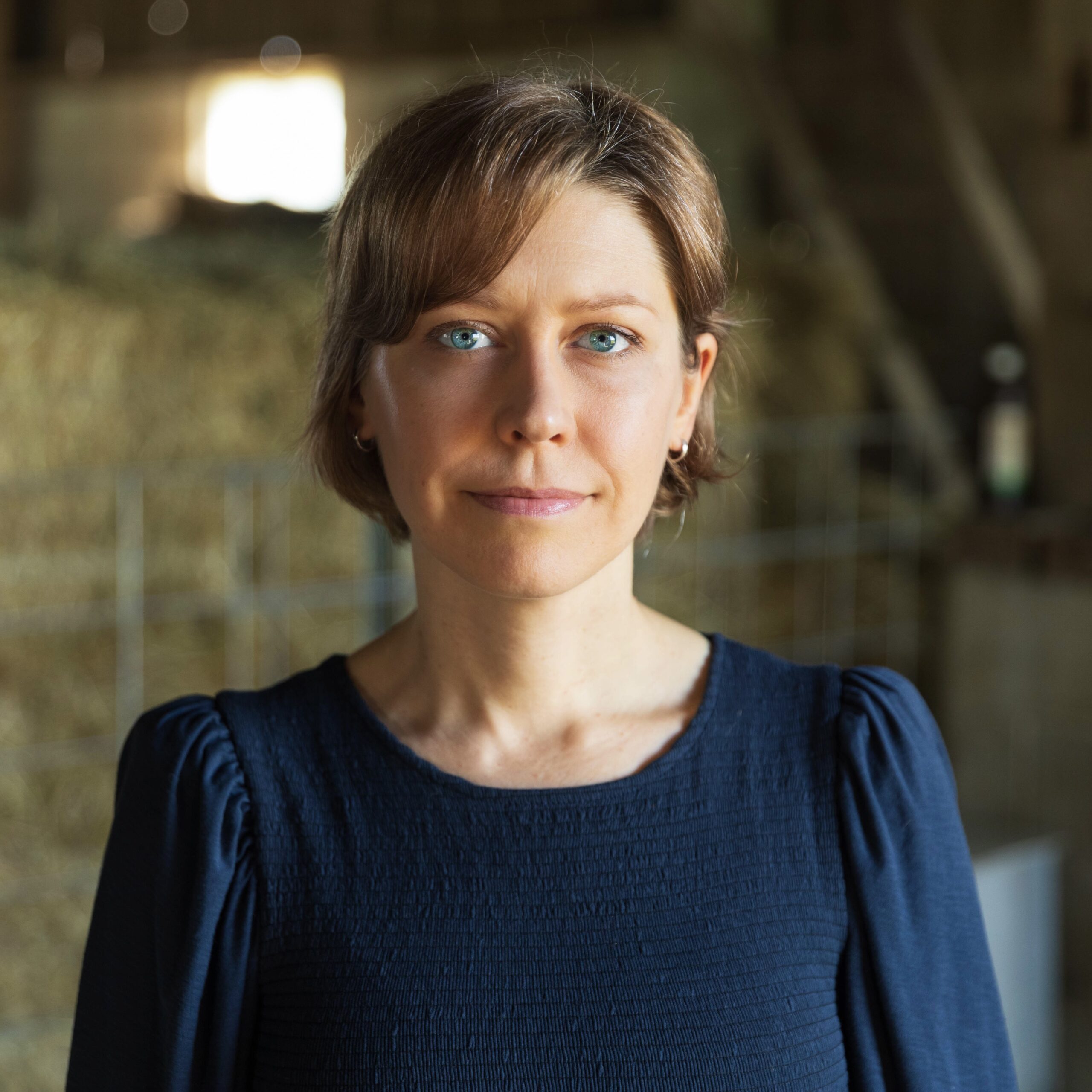
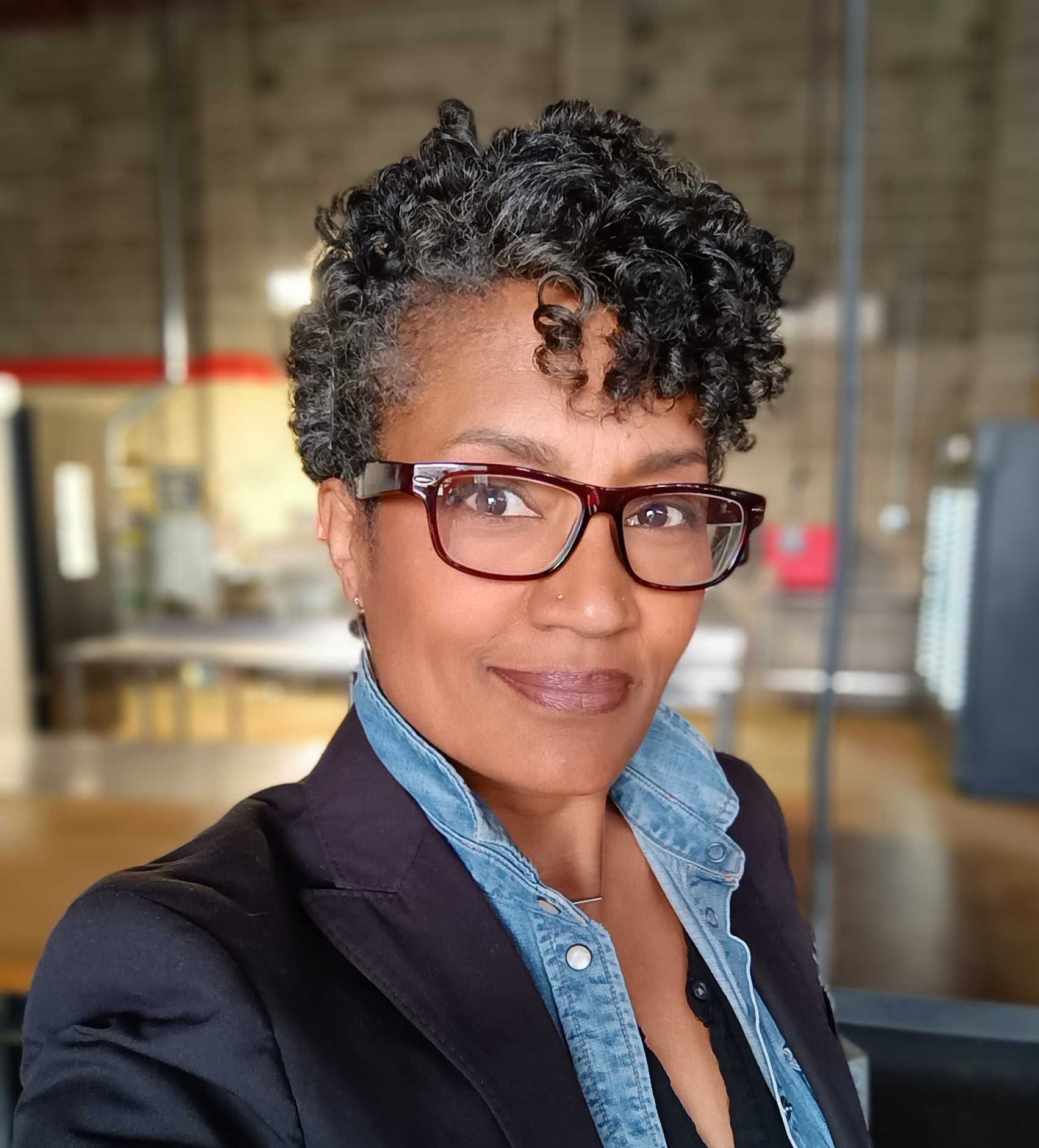
Linda Pechin-Long is a Professional Certified Educator with Holistic Management International, supporting farmers and ranchers across the U.S. to create resilient, regenerative operations guided by values-based decisions. Her work spans hands-on workshops, online programs, and long-term mentorship — all grounded in the principles of Holistic Management, which she has practiced since 2008.

Linda lives in Winfield, Kansas, with her husband Keith Long, a long-time livestock producer and Holistic Management practitioner. Together they raise cattle and sheep, cultivating a life of stewardship, community, and continuous learning.

Her agricultural path began after a 26-year career in the hospitality industry, moving into part-time land stewardship and eventually full-time agriculture in 2012. Since then, she has operated a direct-to-consumer business and mentored producers to build profitable, land-healthy operations that reflect their goals and values.

In addition to her agricultural and facilitation work, Linda is a Maxwell Leadership Certified Speaker, Coach, and Trainer, as well as an Advanced DISC Consultant. Known for creating welcoming, engaging learning environments — whether in a pasture, a classroom, or a national conference — Linda empowers others to grow their leadership, care for the land, and thrive in their work and lives.

Roundtable Facilitator

Creating Robust Regenerative Food Supply Chains

Cynthia Daley

Cynthia Daley
Cynthia Daley

John Liu

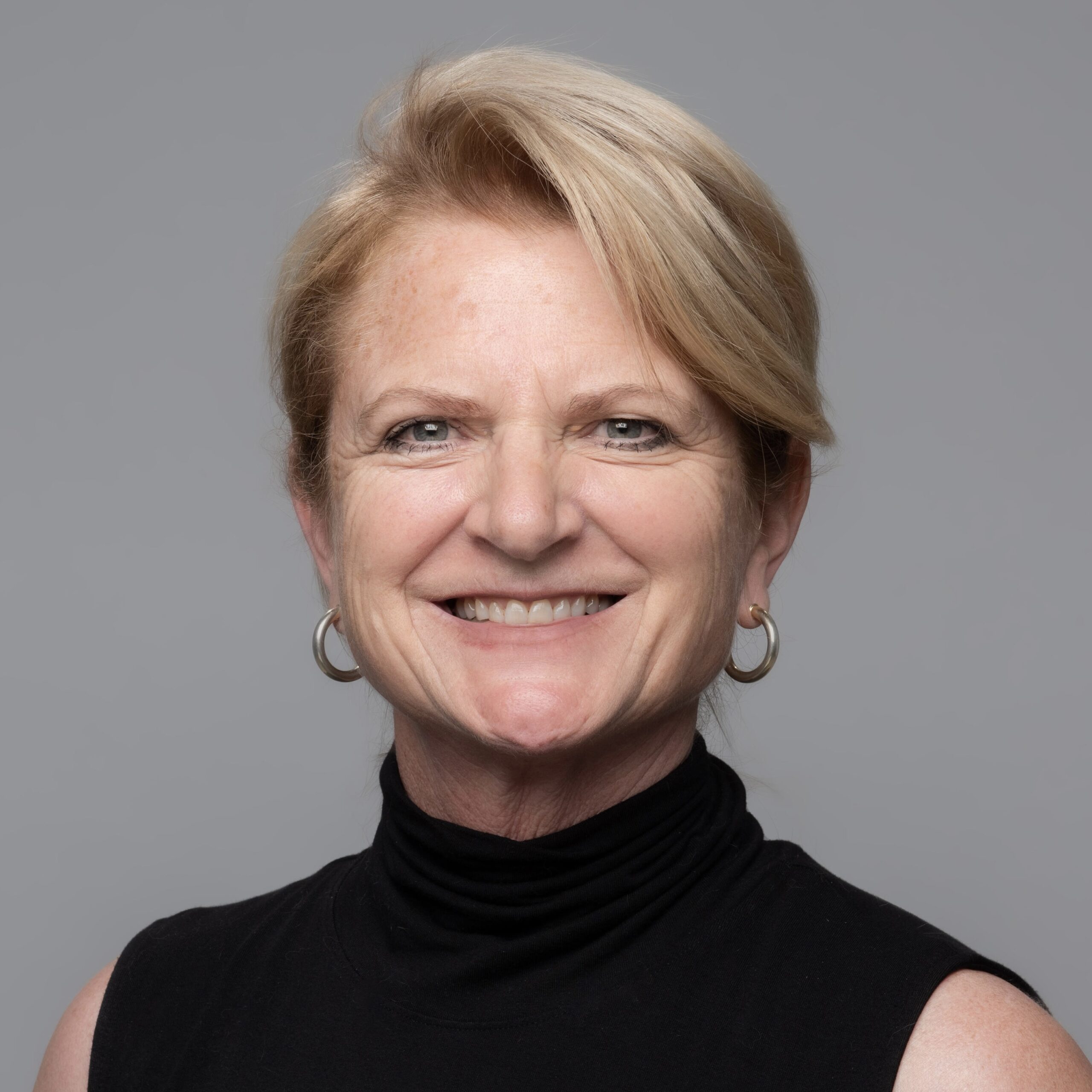
Dr. Cynthia Daley is a nationally recognized leader in regenerative agriculture and currently serves as Director and Co-founder of the Center for Regenerative Agriculture & Resilient Systems at California State University, Chico. A dedicated educator, researcher, and advocate, Dr. Daley has spent her career working at the intersection of sustainable farming, education, and environmental resilience. Originally from Illinois, Dr. Daley grew up in a multigenerational farming family with deep roots in Midwestern agriculture. Since joining the College of Agriculture at CSU Chico, Dr. Daley has launched several pioneering initiatives to promote ecological farming systems. In 2006, she established the Regenerative/Organic Dairy Program as one of the first programs of its kind in the western United States. Recognizing the need to scale regenerative solutions, she co-founded the Center for Regenerative Agriculture & Resilient Systems. The Center has become a nationally respected hub for interdisciplinary research, farmer education, technical assistance training, and policy advocacy. The Center brings together faculty, producers, and community partners to promote regenerative farming practices that enhance soil health, conserve water, sequester carbon, and support rural resilience. Its core mission is rooted in the belief that agriculture, when practiced regeneratively, offers a vital pathway to reversing soil degradation and addressing climate change.

Publications

Climate Smart Agriculture:

Krach, R., Daley, C.A., & Liles, G. (2025) Climate Smart Management Practices Add Value to Mature Organic Almond Production System.) Frontiers in Sustainable Food Systems. March 2025. DOI 10.3389/2025.1527898

Daley, C.A., LaSalle, T., Liles, G., Tyson, D. (2025) Improving Soil Carbon Capture and Water Use Efficiency in the Palo Verde Valley. https://www.csuchico.edu/regenerativeagriculture/research/metro-district-water-soil-carbon.shtml.

Daley, C.A., LaSalle, T., Liles, G., Krach, R. (2025) Use of Multispecies Cover Crops in a No-Till Conventional Corn/bean Rotation. (2025). https://www.csuchico.edu/regenerativeagriculture/research/willcox-trial.shtml.

Daley, C.A., Liles, G., Raether, C., Myrick, S., Gilberti, D., Krach, R., Light, S., Mitchell, J.,LaSalle, T. (2023) Effect of No-Till Management on Soil Health Metrics in Organic Vegetable Production Systems. https://www.csuchico.edu/regenerativeagriculture/research/no-till-impact.shtml.

Daley, C. (2013). Amending pasture soils improves forage quality and economic return: An organic dairy case study. Eorganic.info/node/9625.

Daley, C., Abbott, A., Doyle, P.S., Nader, G.A., & Larson, S. (2010). A review of fatty acid profiles and antioxidant content in grass-fed and grain-fed beef. Nutritional Journal. 9:10; http://www.nutritionj.com/content/9/1/10.

Plenary

Driving the Shift: Tools and Stories for Agricultural Adaptation in a Changing Climate

As climate pressures intensify, California’s agricultural sector faces unprecedented challenges—and opportunities—for transformation. This session explores how growers are adapting through regenerative practices, innovative partnerships, and targeted support. Drawing on real-world stories from the field, we’ll highlight tools that are making a difference—from technical assistance and incentive programs to flexible educational models designed for working professionals. Participants will gain insight into what’s working on the ground, how systems are evolving to meet growers’ needs, and what it takes to drive meaningful, scalable change in today’s dynamic agricultural landscape.
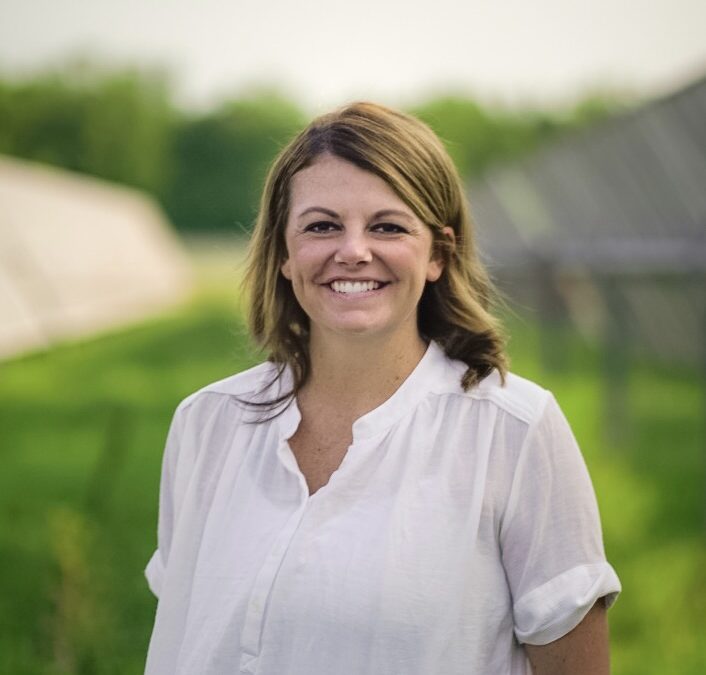
Jodi Benoit

Jodi Benoit

Jodi Harris Benoit, Will’s youngest daughter, is a member of the the fifth generation of the Harris family to tend livestock at White Oak Pastures. Jodi has always played an active role in helping her dad and the cowboys work cattle each season. Jodi graduated from Valdosta State University and earned a degree in Speech Communication in 2012. After graduating, Jodi followed her dad’s rule, working away from the farm for at least one year. She was a Support Coordinator for Professional Case Management Services of America. In this position, she was an advocate for adults with developmental disabilities. In January of 2014, Jodi began working full time at White Oak Pastures. As the Director of Farm Experience, she is responsible for education, giving guided tours of the farm, and overseeing on-farm lodging, dining and the General Store in downtown Bluffton. Jodi is also the proud mother of Hattie, Harris, and Haisten who are part of the 6th generation of the farm.

Plenary

One Family – One Farm – Six Generations

Jodi will share the transition of White Oak Pasture’s food system, “accidentally” reviving the rural community of Bluffton, GA. In the span of a decade, Bluffton has gone from a desolate town to a destination, opening up another revenue stream for the farm.

Angela Huffman

Angela Huffman

Angela Huffman

John Liu

Angela Huffman is president and co-founder of Farm Action, an agricultural watchdog organization led by farmers. Farm Action advocates for accountability from both the government and large corporations within the food sector.

Farm Action’s investigations and reports have resulted in federal antitrust and regulatory actions related to meatpacker market abuses, consumer price gouging, and right-to-repair, and its policy recommendations have been developed into 20 different pieces of Congressional legislation.

Angela brings 15 years of experience in food and agriculture policy reform and market development. In prior work, Angela led numerous institutions, retailers, and other food buyers to shift their purchasing toward farms that meet the highest standards for fairness and sustainability. She has also held marketing and consulting positions for farms, regional dairy and meat processors, distributors, and restaurants.

Angela’s commentary is frequently featured in national news media and rural farm outlets. She has appeared on CNBC, NBC News, Fox News, BBC Newshour, NPR, and others. She holds a B.A. in English and an M.A. in Public Policy and Management from the Ohio State University. She raises registered Katahdin sheep on her family’s 200-year-old farm in Northwest Ohio.

Farm Action: Why We Fight – YouTube video

Plenary

Challenging Monopoly Control of Our Food System

Who decides where and what food will be produced, who produces it and how, and who will get to eat it? These decisions have increasingly migrated away from the community level and into the conference rooms of multinational corporations. Just a handful of companies dominate almost all aspects of food production, and they prioritize the concentration of ownership, wealth, and power — not the public good. We will examine who controls our food supply and how they use their dominance to influence policy, as well as how to challenge monopoly power in the food system.

Chase Currie

Chase Currie

Chase Currie

John Liu

I have always had a passion for the outdoors and conservation, which led me to pursue my undergraduate degree at Texas A&M University. From there, I went on to purse and Masters and Doctrine in Wildlife and Range Science at Texas A&M University-Kingsville through the Caesar Kleberg Wildlife Research Institute. I have been working for the Fitzsimons and Howard Families at the San Pedro Ranch since 2012. I was originally hired to help manage the oil and gas development on the ranch so that we upheld our duties to the Conservation Easement, which was placed on the ranch in December of 2009 through Texas Agricultural Land Trust. From there, my position has evolved, and I know manage all aspects of the ranch. The San Pedro has been owned and operated by the Fitzsimons families for nearly 100 years and is currently on its fifth generation. We were fortunate to learn early on the importance of managing the ranch in a holistic manner. Understanding that the foundation of our management, whether it be for wildlife or livestock, is habitat health and diversity. We have learned the hard way, that building resiliency in our management through maintaining adequate herbaceous cover is critical in long term sustainability for both wildlife and livestock in a brittle environment. We currently have one of the largest purebred Beefmaster cattle herds in the breed and graze them in one herd over 200+ paddocks.

Plenary

Learning to Do More With Less: Ranching Resiliency

This presentation will provide insight into real world applications on how to build resiliency in your ranching program. It is important to understand that factors such as drought, can actually be a blessing in disguise. These types of factors that we often deem as out of our control can actually help us become better managers. We feel it is important to recognize that why we can’t control when it rains, we can control how effective the rainfall is on the landscape.

Sam Noble

Sam Noble

Sam Noble

John Liu

I come from a long line of farmers in Minnesota and bring over 10 years of experience with raising poultry both in industrial confinement and pasture-based operations. I spent my younger years raising and showing livestock in 4-H and earned a BS in Animal Science with a minor in Sustainability from Iowa State University (Go Cyclones!). In 2021 I moved to central Arkansas where I now manage the pastured poultry enterprises at Heifer Ranch for Heifer USA. I oversee various types of poultry including broilers, turkeys, layers, and ducks. I have specialized in brooding and other essential aspects of poultry production. At Heifer USA, I also create educational YouTube content aimed at educating farmers about pastured poultry. Additionally, I lead pastured poultry related research and development initiatives and product testing to improve management and welfare practices in the field as well as farmer work/life balance. My mission is to advance sustainable pasture-based poultry farming using regenerative farming practices to create a more accessible and ethical food system for farmers and communities.

Plenary

Robots on the Ranch: Automation in Pastured Poultry Systems

In this presentation, we will explore how Heifer USA is integrating automation – like our mobile ROVABARNs – into pastured poultry systems through ongoing research and development. Through hands-on testing, we’re finding ways to save time, reduce physical stress, and take some of the pressure off daily chores. Tools like the ROVABARN help farmers care for their flock more easily while scaling operations. The goal is to support a healthier work/life balance and make regenerative poultry systems more practical for farmers.