Michele Thorne

Michele Thorne

Michele Thorne

John Liu

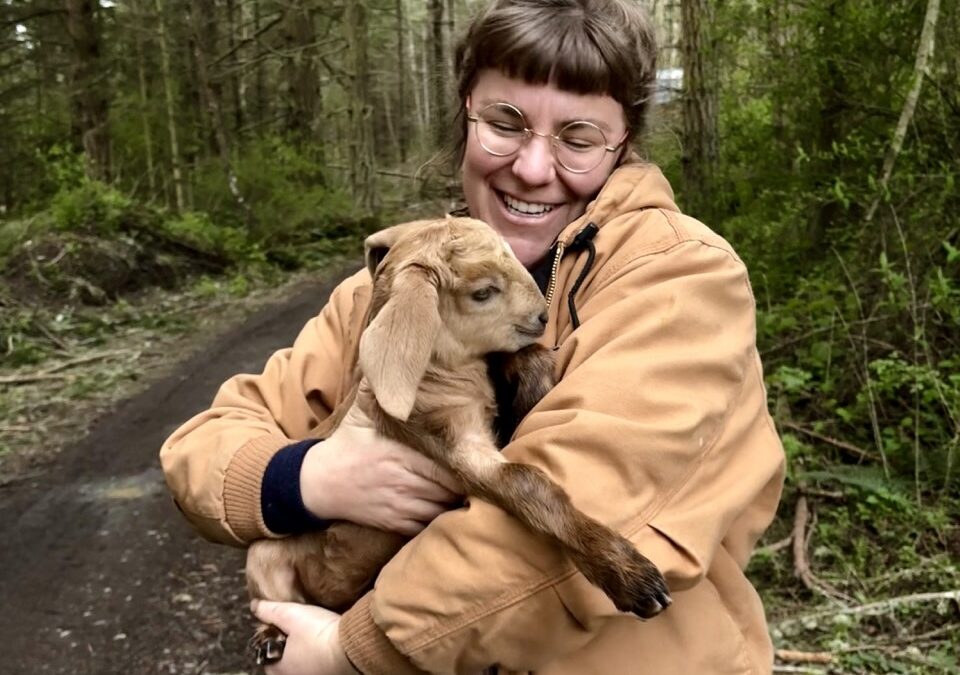
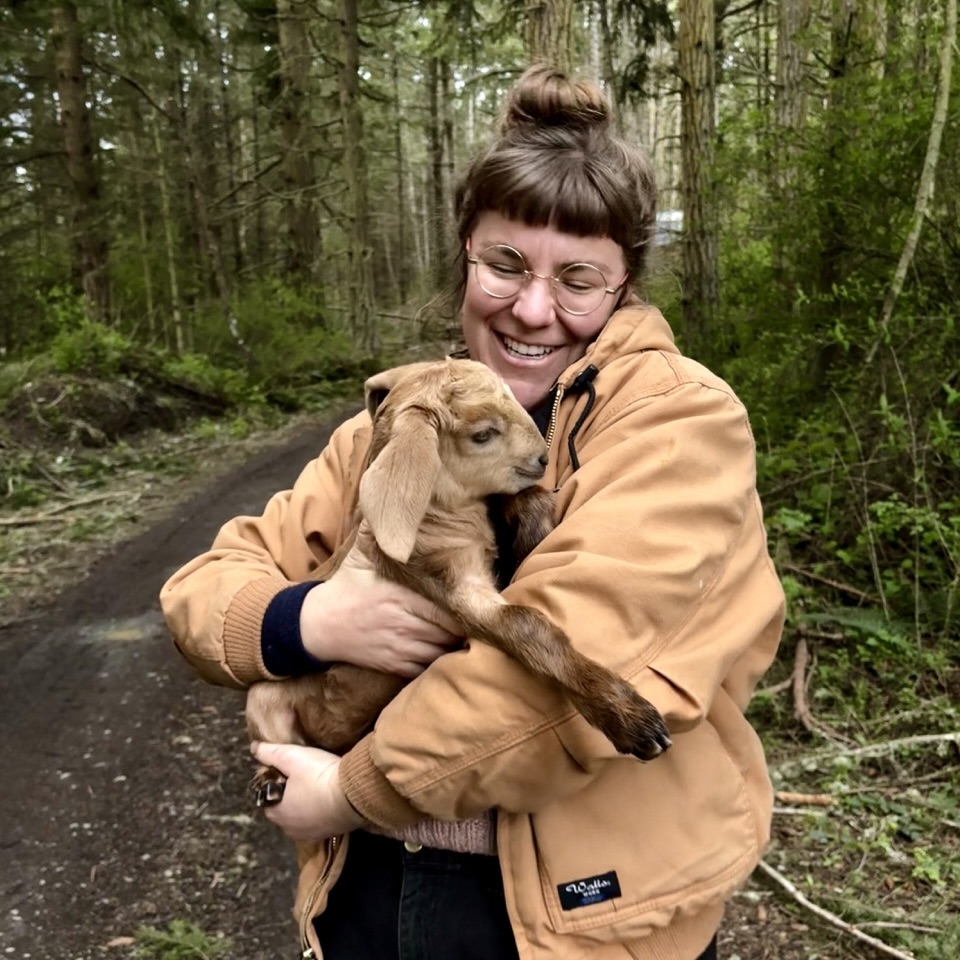
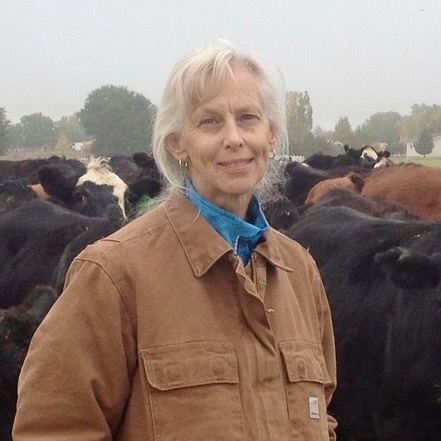
Michele Thorne, Executive Director of the Good Meat Project, is a dynamic educator, graphic designer and strategic marketer by trade, a zealous good food advocate by choice, and a small livestock producer by destiny. With over twenty years of impactful strategic marketing and graphic design experience, Michele drives the GMP’s mission forward to support and expand its programmatic work, by connecting stakeholders across the meat value chain as well as across diverse communities, upholding the organization’s shared values of transparency, collaboration and inclusivity. She spent her early career as an entrepreneur and educator, eventually discovering the direct impacts of food on human health outcomes, the economy and the environment. As a data driven creative, Michele is an authentic and active listener, life-long learner and enthusiastic participant of transformative change, especially in food systems. She is fueled by curiosity and uses a unique approach to problem solving rooted in game theory. Michele earned her MBA in Sustainable Business, is a published author, and proudly walks the walk, “putting her money where her mouth is”, as often and abundantly as she can to support local producers by purchasing meat directly from them. She is a mother, has two shepherd dogs and enjoys being a fiber artist, creating beautiful things when time allows.

Plenary

Radical Collaboration: Building Resilience and Profitability (with Intent) in Regenerative Meat and Food Supply Chains

As environmental challenges intensify and supply chains face increasing volatility, the need for resilient, regenerative food systems has never been more urgent. Yet, meaningful transformation in the meat sector—often seen as environmentally and ethically fraught—requires more than just innovation at the farm level. It demands radical collaboration. This talk explores how independent producers, processors, butchers, chefs, retailers, and stakeholders across the food supply chain can break silos and co-create regenerative food systems that are resilient, profitable, and ecologically sound. Drawing on real-world case studies and emerging models, we’ll examine how trust-based partnerships, shared data, and innovative financing can empower meat producers to lead the transformation toward sustainability and ethical meat production.

Zachariah Ben

Zachariah Ben
Zachariah Ben

John Liu

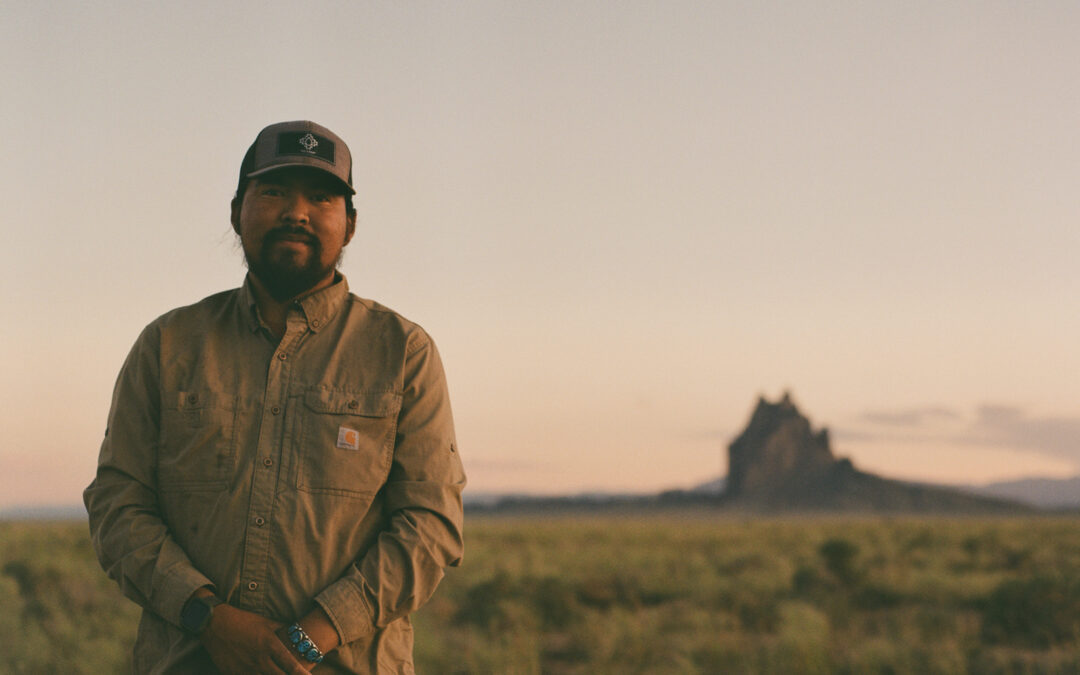
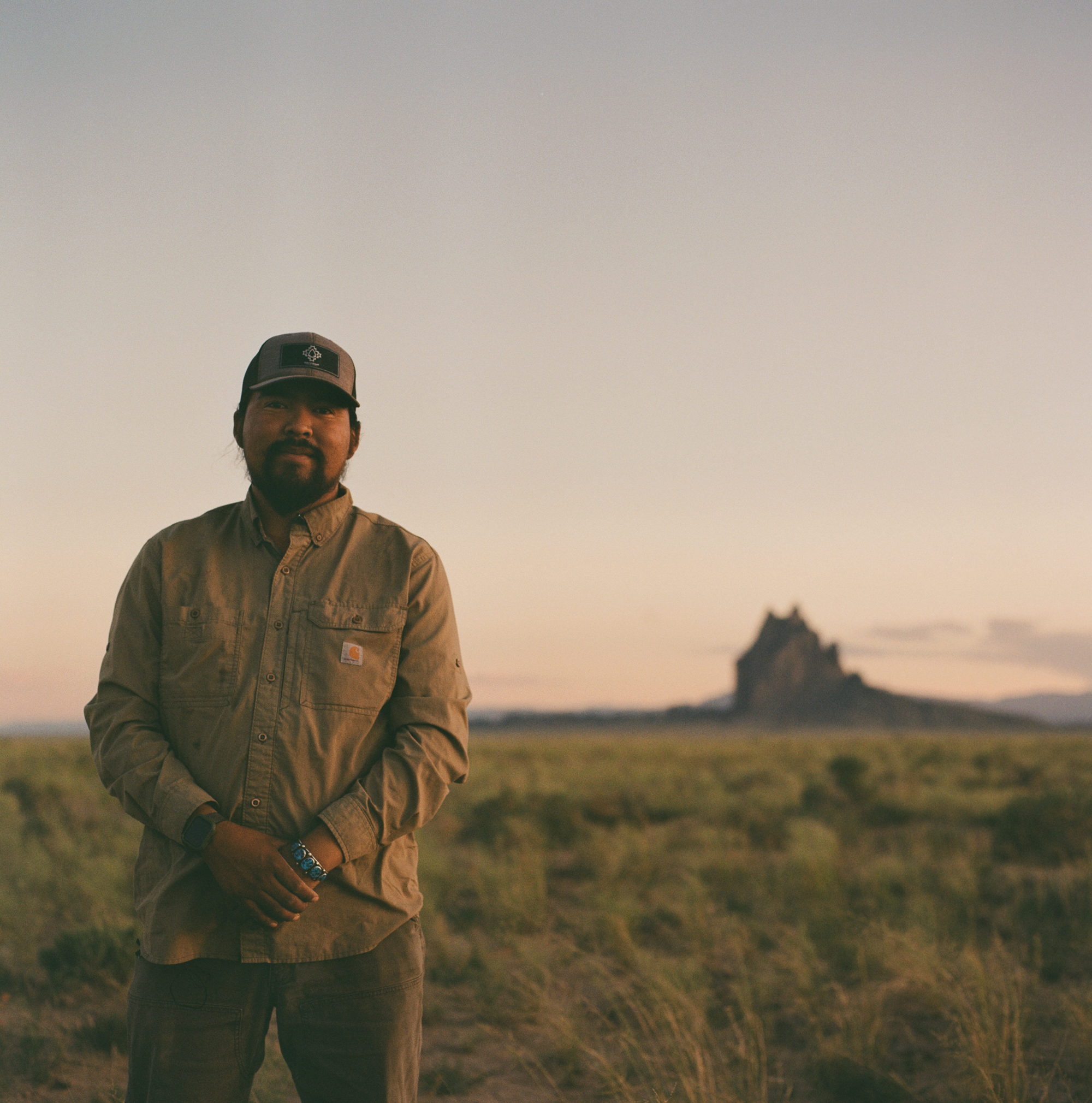
Zachariah Ben is a 6th generation farmer and sandpainter from Shiprock, NM. He is of the “Giant People” born for the “Red Running Into Water” clan. His maternal grandfather’s clan is the “Red House People” and his paternal grandfather is of the “Salt People.” Zach has over 10 years of experience in traditional Navajo farming and is the Co-founder and Owner of Bidii Baby Foods, a domestically incorporated limited liability company and agricultural cooperative on the Navajo Nation. Bidii Baby Foods manufactures a product line of organic Indigenous baby foods. Zach manages a 30-acre organic farm in Gadii’ahi, NM. Zach also serves as a Consultant with WESST where he supports other Indigenous entrepreneurs as they establish their businesses.

Plenary

REZilient land stewardship: Walking in two worlds

In this presentation, we will discuss traditional Indigenous farming practices, that are often currently referred to as “Regenerative”. We will also discuss the unique challenges to farming on tribal trust land (including access to capital, infrastructure, land/water rights), and solutions to overcome them, using Bidii Baby Foods LLC as an example. Lastly, we will briefly discuss the issue of walking in two worlds: maintaining traditional food production practices, while complying with modern day food safety requirements.

Stephan van Vliet

Stephan van Vliet

Stephan van Vliet

John Liu

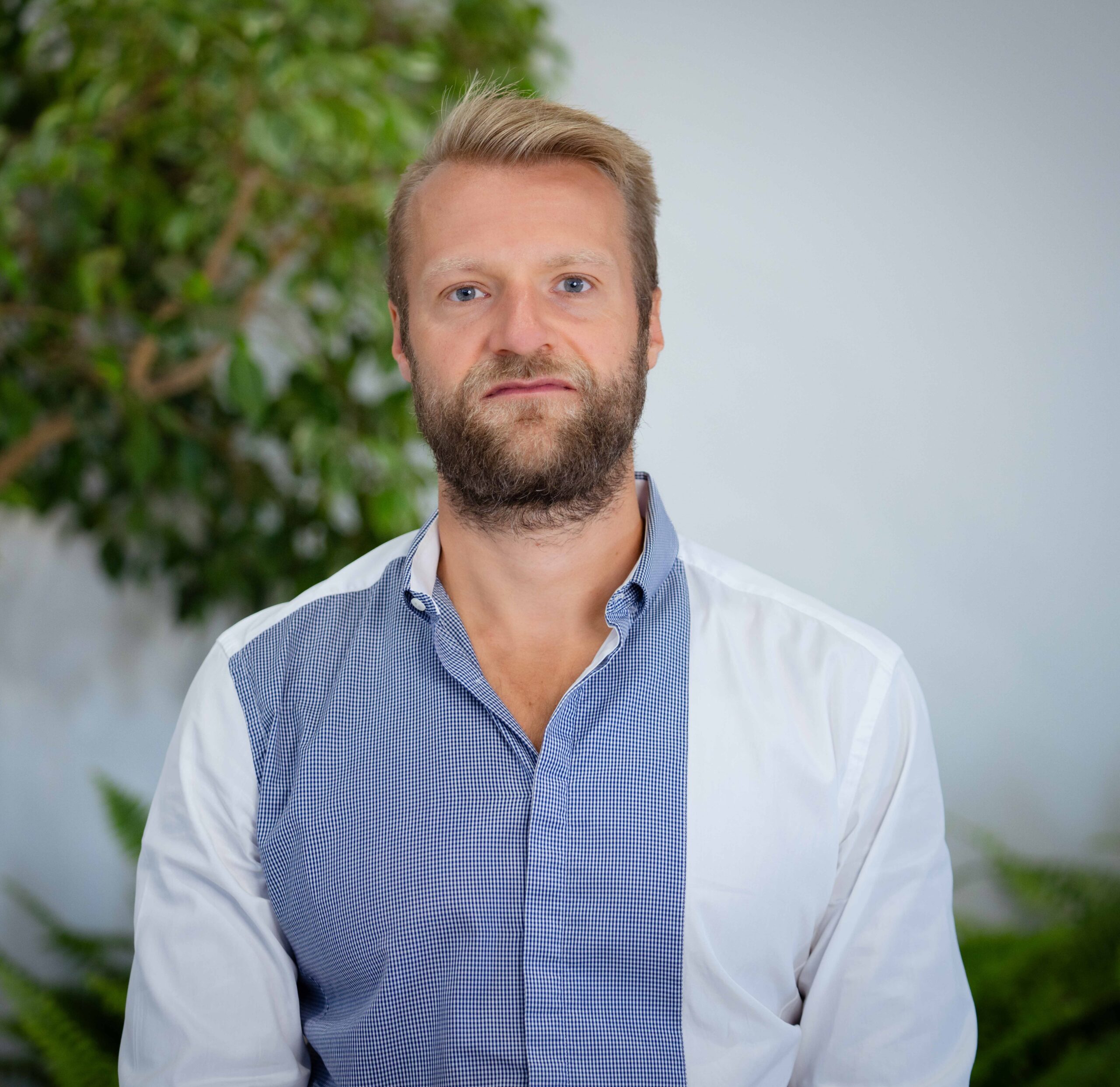
Dr. Stephan van Vliet is the Director at the Center for Human Nutrition Studies at Utah State University. Dr. van Vliet’s research is performed at the nexus of agricultural and human health. He routinely collaborates with farmers, ecologists, and agricultural scientists to study critical linkages between sustainable agriculture, the nutrient density of food, and human health.

Publications

https://www.frontiersin.org/journals/sustainable-food-systems/articles/10.3389/fsufs.2020.555426/full

https://www.nature.com/articles/s41598-024-71073-3

https://jasbsci.biomedcentral.com/articles/10.1186/s40104-023-00843-2

Plenary Panel

Linking Soil, Plant, Animal and Human Health in Livestock Systems: a Metabolomics Approach

Dr. Stephan van Vliet presents an integrative metabolomics approach to examining how soil health, plant diversity, and livestock feeding strategies influence the nutrient density and phytochemical profile of beef. The presentation highlights findings from large-scale sample analyses across diverse farming systems, revealing correlations between forage-based diets and elevated levels of omega-3 fatty acids, antioxidants, and bioactive compounds in meat. These data offer novel insights into the complex transfer of metabolites across ecological levels and their potential implications for human nutrition.

Marie von Ancken

Marie von Ancken

Marie von Ancken

John Liu

Marie von Ancken is a Programs Manager for HMI, advanced ceramic apprentice, and anti-oppression activist. She is passionate about environmental justice and regenerative farming as a solution to transforming our food system and addressing climate change. She grew up in Corrales, New Mexico, where her family raised chickens and has spent significant time living in Finland, France, and Nicaragua. She now manages a 35 acre reforestation project in Port Townsend, WA. As Program Manager at Holistic Management International, Marie has spent the last decade developing learning opportunities, both locally and internationally, that aim to educate farmers, ranchers and food advocates in agricultural practices that increase organic matter in the soil, grow nutrient-dense foods, and sequester carbon while empowering them to strengthen their businesses and improve their quality of life. Marie has a bachelor’s degree in International Business Management and Sustainability Studies from the University of New Mexico/College of Charleston/IPAG School of Business – Nice, France. She is an Aldo Leopold Land Ethic Leader and is glad she “will not be young in a future without wilderness.”

Roundtable Facilitator

The Unconference Roundtable

Not your average roundtable! The Unconferenced experience will feature an Open Space-style facilitation wherein participants engage in a participatory process to identify, and dive into, what’s most important in the moment. If you are not seeing the topics you want to discuss at the conference, attend this session. Come and pitch an idea, or come and hear what others are passionate about, then break out and have the conversations you’re most interested in having. This is also a great opportunity for anyone with an interest in learning new facilitation and collaboration processes. 

James Calabaza

James Calabaza

James Calabaza

John Liu

James is Director of the Indigenous Lands Program at Trees, Water & People. He engages and works with Tribal Nations on efforts centered around Tribal-led stewardship projects that bolster economic opportunities and landscape-scale restoration efforts. James provides insight on best practices to work with Tribal governments that uphold traditional ethics of governance and leadership. His deep rooted experiences strengthens TWP’s approach in building honest, working relationships while promoting cross-cultural values of landscape conservation.

Plenary Speaker

Relying on Traditional Knowledge Systems in Turbulent Times

Accepting and navigating through challenges and obstacles are natural components of learning and adaptation for human beings. This presentation will highlight a local, place-based approach on how to navigate changes to a system impacted by political and environmental impacts. We will dig into approaches and methods of how to remain resilient during times of uncertainty and stay focused on the nature of active stewardship. This presentation will also highlight how Traditional Knowledge systems can teach us to remain focused on the grander picture of our work.

Julie Sullivan

Julie Sullivan

Julie Sullivan

John Liu

Julie Sullivan, founding mentor of the Quivira Coalition’s New Agrarian Program in 2008, currently serves as Mentor Training and Support for the program. She and her husband, George Whitten have been mentors with the program since 2009, and own and manage their 3rd-generation, cow/calf-to-finish cattle ranch in the San Luis Valley of Colorado. The ranch is committed to restorative practices that result in soil health, functioning grassland ecosystems, and viable small scale ranching.
For a decade, Julie was faculty for the field-based Audubon Expedition Institute at Lesley University Environmental Studies and Environmental Education program. She has taught workshops for Colorado State University, Colorado College, Adams State University, Fort Lewis College, Quivira Coalition, Western Colorado Food and Farm Forum, Stone Barns Center for Food and Agriculture, Sandhills Task Force, PASA, MOFGA, among others.
She is fiercely dedicated to the next generation of agrarians, fully functioning ecosystems and creative solutions to the interaction of humans with their planet.

For a decade, Julie was faculty for the field-based Audubon Expedition Institute at Lesley University Environmental Studies and Environmental Education program. She has taught workshops for Colorado State University, Colorado College, Adams State University, Fort Lewis College, Quivira Coalition, Western Colorado Food and Farm Forum, Stone Barns Center for Food and Agriculture, Sandhills Task Force, National FIELD Network, Rogue Farm Corps, among others.

She is fiercely dedicated to the next generation of agrarians, fully functioning ecosystems and creative solutions to the interaction of humans with their planet.

Roundtable Facilitator

Apart From to A Part Of : Creating a Sense of Belonging During Transient Times in Early Agrarian Career

Rural communities often benefit from enthusiastic newcomers arriving to help out on farms and ranches, thus revitalizing land and society. Yet newcomers often feel unwelcome or unsure of how to become part of their new place. Beginning agrarians relocate frequently for years; what helps build community in spite of transiency? Locals usually want to see a person stick around a few years before investing in them, while newcomers want to share their ideas and skills right away. Join us as we explore what NAP alumni and apprentices have tried in their various communities, share your own ideas, and consider what locals could do to better support new agrarians eager to become part of, and contribute to, their new home town.