Dr. Hubert Karreman

Dr. Hubert Karreman

Hubert Karreman
John Liu

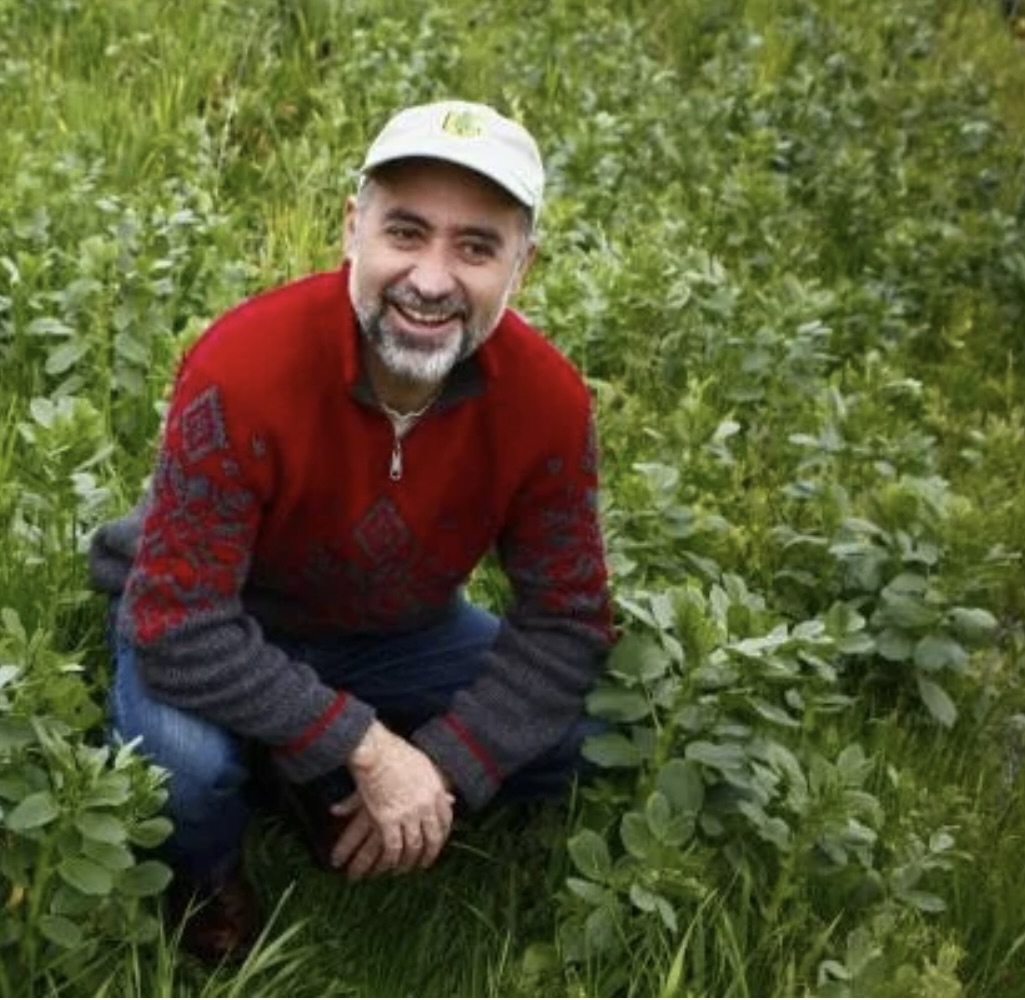
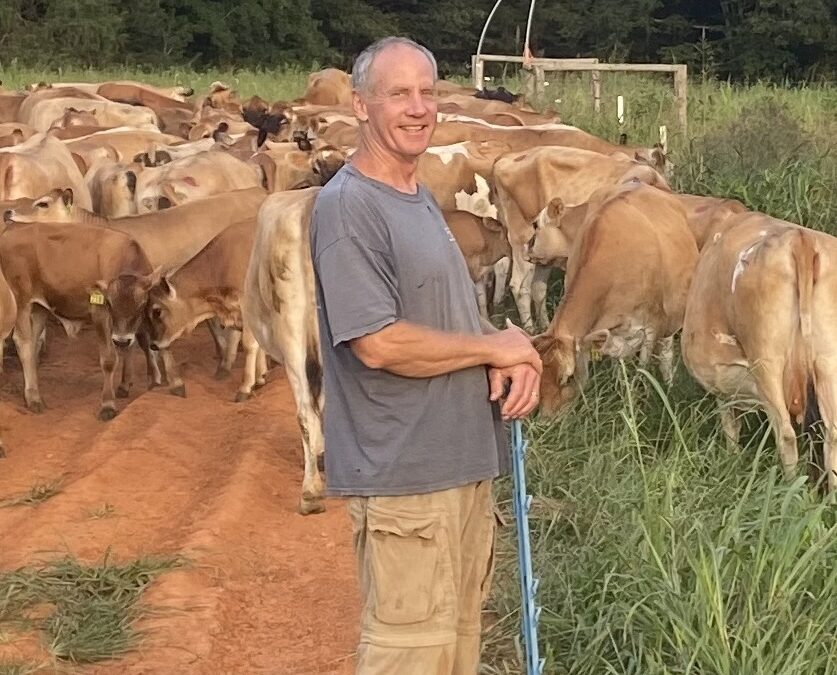
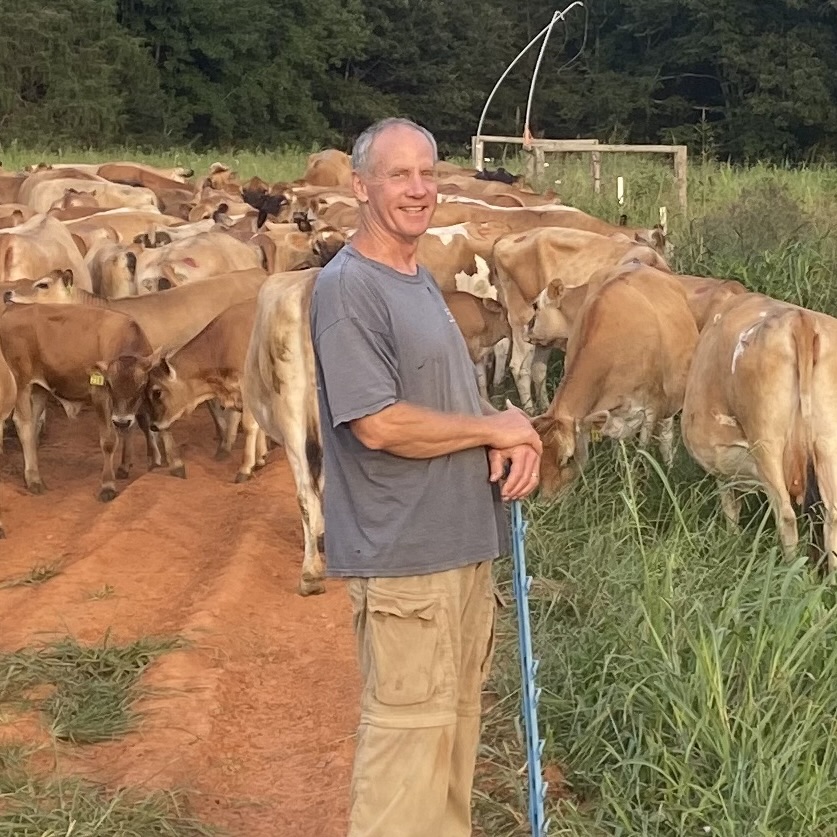
Dr. Hubert Karreman graduated in 1995 from the University of Pennsylvania School of Veterinary Medicine. Between getting a bachelor’s degree in soil science from the University of New Hampshire in 1984 and starting veterinary school, he worked on dairy farms for 6 years. He was introduced to homeopathy, botanicals and biologics on a biodynamic farm in 1988 and saw those work so well that he wanted to go to veterinary school to learn “the real thing”. He was in dairy practice for 20 years in Lancaster, PA working with almost 100 certified organic Amish dairy farms. He was appointed to the USDA National Organic Standards Board in 2005-2010 and has written 3 books on natural treatments for dairy cows. He enjoys sharing insights about natural treatments with veterinary colleagues in order to reduce the reliance of antibiotics and hormones in livestock. He and his wife, Suzanne, have a pasture-based, diversified livestock farm based on their herd of 80 certified grass-fed, grain-free A2A2 Jersey cows. They also raise a flock of St. Croix/Texel sheep and lambs, Delaware laying hens in egg-mobiles, and have free-range heritage pigs. Neither grew up on a farm. Through blood, sweat and tears, they’ve developed knowledge and experience with various livestock species and love to help others just starting out avoid making the same mistakes they did.

Publications

AUTHORED BOOKS

Hubert Karreman. Four Seasons Organic Cow Care Acres, USA, Austin, TX, 2016. (Soft cover, 235 pgs.)

Hubert J. Karreman. The Barn Guide to Treating Dairy Cows Naturally Acres USA, Austin, TX, 2011. (Soft cover, 191 pgs.)

Hubert J. Karreman. Treating Dairy Cows Naturally: Thoughts and Strategies 2nd ed. Acres USA, Austin, TX, 2007 (Hardcover, 412 pgs.)

INVITED CHAPTERS

Improving Animal Welfare, 3nd edition (Chapter 12) (Temple Grandin, ed.) CABI, 3rd edition, 2021)

Current Veterinary Therapy, Food Animal Practice (Chapter 100) (Anderson and Rings, eds.) Elsevier, 2008

Veterinary Herbal Medicine (Chapter 23) (Wynn and Fougere, eds.) Mosby, 2007.

Global Development of Organic Agriculture (Halberg, Alroe, Knudsen and Kristensen, eds.) CABI, 2006.

Alternative Livestock Health Practices (Chapter 9) (Morrison and Kielty, eds.) Blackwell Scientific, 2005.

JOURNAL ARTICLES

U.S. Sorge, A. Bastan, H. Karreman Interest of Bovine Practitioners in Complementary and Alternative Veterinary Medicine in 2006 and 2010. ARAVS Vol 2 [1 and 2] 2015.

Tunick, Michael & Paul, Moushumi & Ingham, Elaine & Karreman, Hubert & Hekken, Diane. (2015). Differences in milk characteristics between a cow herd transitioning to organic versus milk from a conventional dairy herd. International Journal of Dairy Technology. 68. 10.1111/1471-0307.12255.

Cross AS, Karreman HJ, Zhang L, Rosenberg Z, Opal SM, Lees A. (2014) Immunization of cows with novel core glycolipid vaccine induces anti-endotoxin antibodies in bovine colostrum. Vaccine. 2014 Oct 21;32(46):6107-14.

Pinedo P, Karreman H, Bothe H, Velez J, Risco C. (2013) Efficacy of a botanical preparation for the intramammary treatment of clinical mastitis on an organic dairy farm. Can Vet J. 2013 May;54(5):479-84.

Karreman, H J. (2010) Disease control on organic and natural cattle operations. Animal Health Research Reviews 10(2); 121–124.

Karreman, Wentink, Wensing (2000) Using Serum Amyloid A to Screen Dairy Cows for Sub-clinical Inflammation. Veterinary Quarterly; 22: 175-8.

Graczyk, Evans, Shiff, Karreman, Patz. (2000). Environmental and Geographical Factors Contributing to Watershed Contamination with Cryptosporidium parvum Oocysts. Environmental Research; 82, 263-271.

PEER-REVIEWED ABSTRACTS

Griswold, K., H. Karreman, S. Dinh, and J. High. (2008) Effects of nutrition and feeding management on production, health and culling by organically-managed dairy herds in Southeastern Pennsylvania. JDS 91(E-Suppl.1):134.

Griswold, K., H. Karreman, and J. High. (2008) Effect of calving scheme, seasonal vs. year-round, on production, reproductive performance, and culling by organically-managed dairy herds in Southeastern Pennsylvania. J. Dairy Sci. 91(E-Suppl. 1):469.

Griswold, K., H. Karreman, and J. Mylin. (2007) Best management practices to improve milk quality and udder health in organically-managed dairy herds in Southeastern Pennsylvania. J. Dairy Sci. 90(Suppl. 1):164.

Griswold, K., H. Karreman, and J. Mylin. (2007) Effect of management type, conventional versus organic, on production, health and culling in Southeastern Pennsylvania dairy herds. J. Dairy Sci. 90(Suppl. 1):582.

POPULAR PRESS

Griswold, K. E. and Karreman, H J. Make the Most of Your Organic Milk Quality Tool Box (Hoard’s Dairyman, 2008)

Karreman H J. Can Cows on Organic Dairy Farms Compete? (Hoard’s Dairyman, 2003). WD. Hoard & Sons, Co. Vol. 148, No. 12 p.453.

Many articles in the organic dairy popular press (NODPA, GRAZE, etc).

Plenary Speaker

Reverence Farms: A Diversified Livestock Farm

How should we be thinking as stewards to keep our animals healthy and to reduce reliance on conventional inputs? When should conventional inputs be used? The land, animals and people are integral to each other – what’s best to improve the land to continue supporting an expanding livestock farm? This talk will show what Reverence Farms, a diversified dairy and livestock operation in central NC, has done and is doing in terms of animals and land, as well as examples of how we make decisions and approaches to making changes as needed.
Julie Sullivan

Julie Sullivan

Julie Sullivan

John Liu

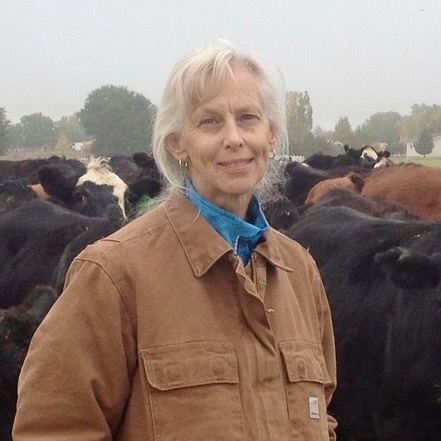
Julie Sullivan, founding mentor of the Quivira Coalition’s New Agrarian Program in 2008, currently serves as Mentor Training and Support for the program. She and her husband, George Whitten have been mentors with the program since 2009, and own and manage their 3rd-generation, cow/calf-to-finish cattle ranch in the San Luis Valley of Colorado. The ranch is committed to restorative practices that result in soil health, functioning grassland ecosystems, and viable small scale ranching.
For a decade, Julie was faculty for the field-based Audubon Expedition Institute at Lesley University Environmental Studies and Environmental Education program. She has taught workshops for Colorado State University, Colorado College, Adams State University, Fort Lewis College, Quivira Coalition, Western Colorado Food and Farm Forum, Stone Barns Center for Food and Agriculture, Sandhills Task Force, PASA, MOFGA, among others.
She is fiercely dedicated to the next generation of agrarians, fully functioning ecosystems and creative solutions to the interaction of humans with their planet.

For a decade, Julie was faculty for the field-based Audubon Expedition Institute at Lesley University Environmental Studies and Environmental Education program. She has taught workshops for Colorado State University, Colorado College, Adams State University, Fort Lewis College, Quivira Coalition, Western Colorado Food and Farm Forum, Stone Barns Center for Food and Agriculture, Sandhills Task Force, National FIELD Network, Rogue Farm Corps, among others.

She is fiercely dedicated to the next generation of agrarians, fully functioning ecosystems and creative solutions to the interaction of humans with their planet.

Roundtable Facilitator

Apart From to A Part Of : Creating a Sense of Belonging During Transient Times in Early Agrarian Career

Rural communities often benefit from enthusiastic newcomers arriving to help out on farms and ranches, thus revitalizing land and society. Yet newcomers often feel unwelcome or unsure of how to become part of their new place. Beginning agrarians relocate frequently for years; what helps build community in spite of transiency? Locals usually want to see a person stick around a few years before investing in them, while newcomers want to share their ideas and skills right away. Join us as we explore what NAP alumni and apprentices have tried in their various communities, share your own ideas, and consider what locals could do to better support new agrarians eager to become part of, and contribute to, their new home town.

Torri Estrada

Torri Estrada

Torri Estrada

John Liu

Torri Estrada is Executive Director at the Carbon Cycle Institute and directs its policy and climate justice work. Torri has worked to advance solutions to social and environmental justice, climate, and environmental issues for over thirty years. Previously, Torri was program director at the Marin Community Foundation, where he managed the Foundation’s environmental grantmaking program and climate change initiative. He was also a program officer at the Unitarian Universalist Veatch Program, managing its environmental justice and civil rights portfolios. Torri was the co-founder and a senior policy fellow with the Environmental Justice Coalition for Water; Torri served as Program Director at Urban Habitat and directed its Brownfields and Community Revitalization Project and co-developed its Leadership Development Program. Torri holds an MS in Environmental Sociology and Policy (with environmental justice emphasis) from the University of Michigan, and a joint BS/BA degree in Environmental Science and Policy and Ecological Anthropology from the University of California at Berkeley.

Plenary Panel

Resilience Through Catastrophe: Preparation for and Recovery from Climate Disasters

Hear from panelists about how producers and technical service providers can prepare for and recover from climate disasters like wildfire through building soil health, holistic management, and unique partnerships and collaborations. We’ll hear perspectives from New Mexico, California and Australia, including challenges and success stories, as we address local climate and natural disaster catastrophes via local and global perspectives.

Bobby L. Wilson

Bobby L. Wilson

Bobby L. Wilson

John Liu

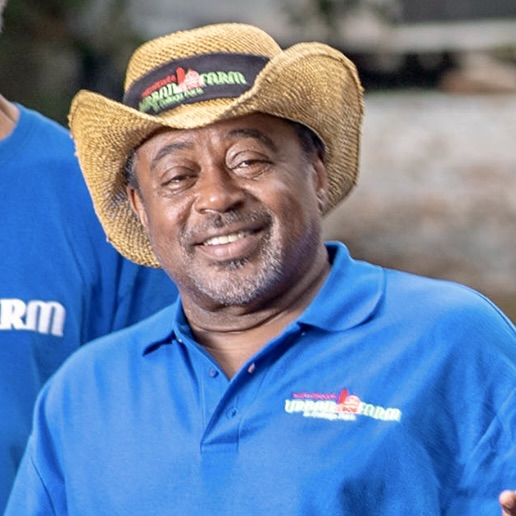
Bobby L. Wilson, owner of Metro Atlanta Urban Farm (MAUF), shares a mission and a vision that focuses on agricultural education and recruitment, access to locally grown fresh food for marginalized and underserved communities, youth socio-emotional development, increasing representation in the sciences of those who historically have been underrepresented, and providing a community and therapeutic gardening program for seniors. Bobby is a member of the Urban Agriculture Innovative Production Federal Advisory Committee.  He recently served as a first-time Co-Principal Investigator (Co-PI) on a national research project, the NOISE Project, in collaboration with the Cornell Lab of Ornithology Celebrate Urban Birds, and the National Science Foundation (NSF). He is co-author of several publications, including Understanding the Impact of Equitable Collaborations between Science Institutions and Community-Based Organizations: Improving Science through Community-Led Research, and is a 2022 Featured CNN Hero.
Metro Atlanta Urban Farm (MAUF) is a 501(c)3 organization that is committed to improving the quality of life for residents in College Park, GA, specifically, and throughout Metro Atlanta. For the past thirteen years, Bobby L. Wilson has run a successful certified naturally grown urban farm operation in the city of College Park. 

Plenary Speaker

Sustainability and Responsible Stewardship: Preserving a Legacy of Clean Air, Clean Water, and Clean Soil for the Generations that Follow

Bobby L. Wilson is a veteran farmer of more than 30 years.  He shares his journey of teaching marginalized and underserved communities to feed themselves well using sustainable practices and responsible stewardship on a 5-acre certified naturally grown farm operation.  Metro Atlanta Urban Farm (MAUF) is an informal educational STEM area that promotes the FUNdamentals of research to motivate and inspire the next generation to not only see themselves in the sciences, but to pursue agricultural education and careers in agricultural science.

Paula Garcia

Paula Garcia

Paula Garcia

John Liu

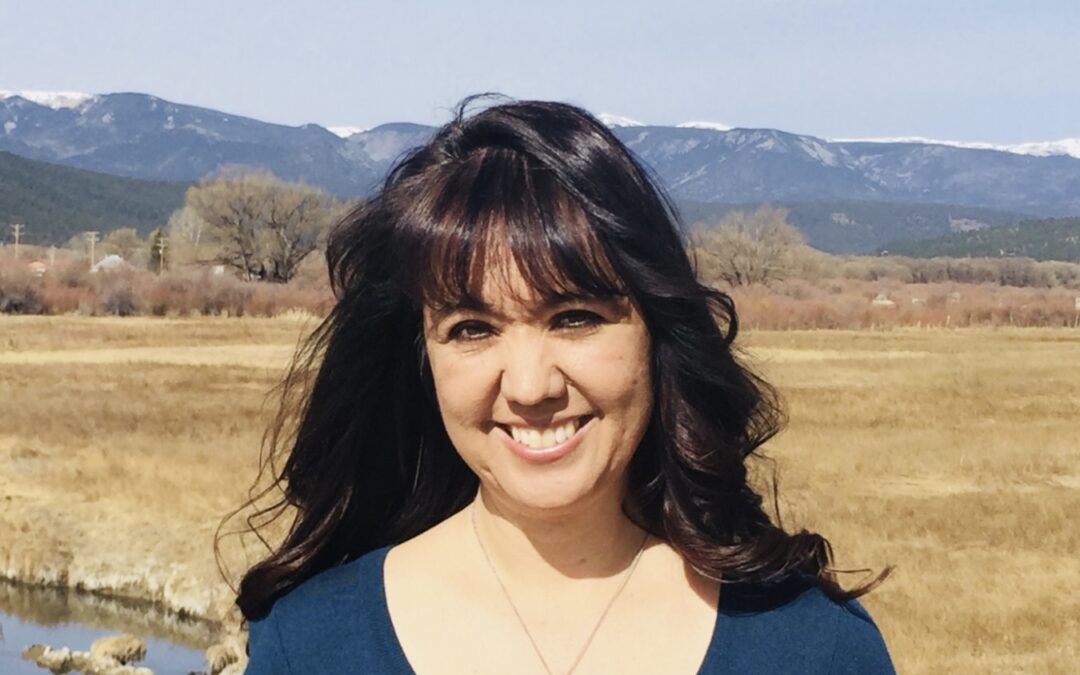
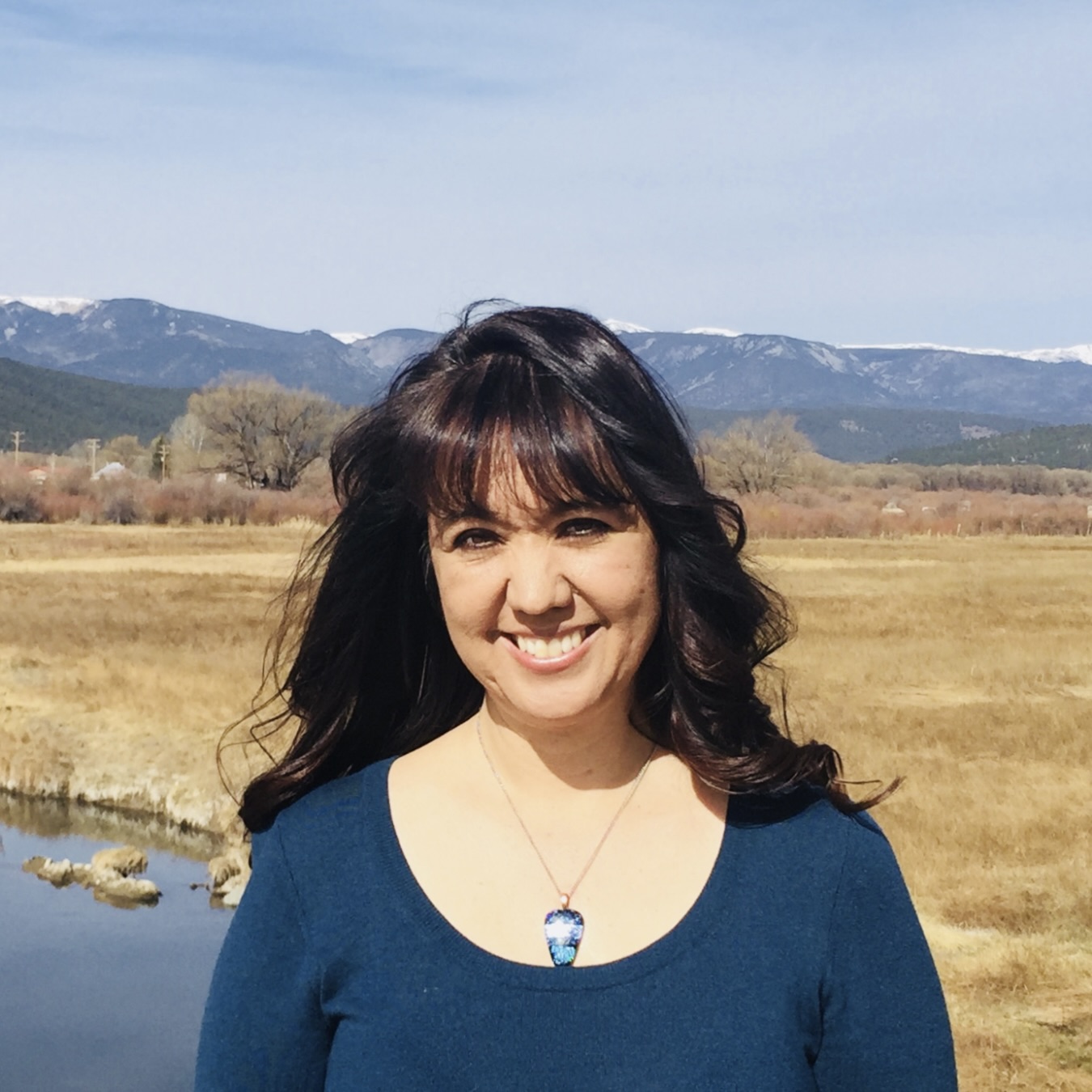
Paula Garcia is Executive Director of the New Mexico Acequia Association, a statewide grassroots organization founded in 1990.  Its mission is to protect water and irrigated land through “acequias” which are community operated irrigation systems designed to share water for agriculture. She lives in Mora where she continues to operate an intergenerational ranch with her family.

Paula is former chair of the Mora County Commission, during which she also served as President of the New Mexico Association of Counties. She is former chair of the USDA Minority Farmers Advisory Committee, appointed by Secretary Vilsack. Currently, she serves as an appointee to the Interstate Stream Commission and the State Land Trust Advisory Board.

In her years of service to the NMAA, acequias have built a movement around the principle that “el agua es vida – water is life” with major achievements in water policy, water governance, and agricultural projects. Most recently, her focus has been on disaster response and recover following the Hermits Peak Calf Canyon fire, the largest wildfire in New Mexico history.

Publications:

Chapter 3, Acequia Waters: Community Resource or Commodity? Water for the People, Acequia Heritage of New Mexico in a Global Context, Editors Enrique Lamadrid and Jose Rivera, University of New Mexico Press, 2022.

Plenary Panel

Resilience through catastrophe: preparation for and recovery from climate disasters

Cole Bush

Cole Bush

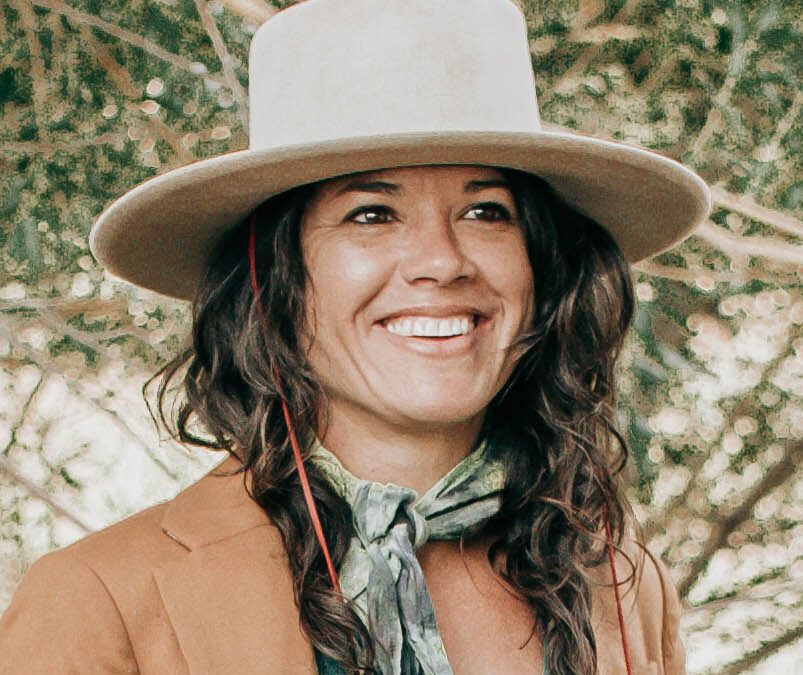
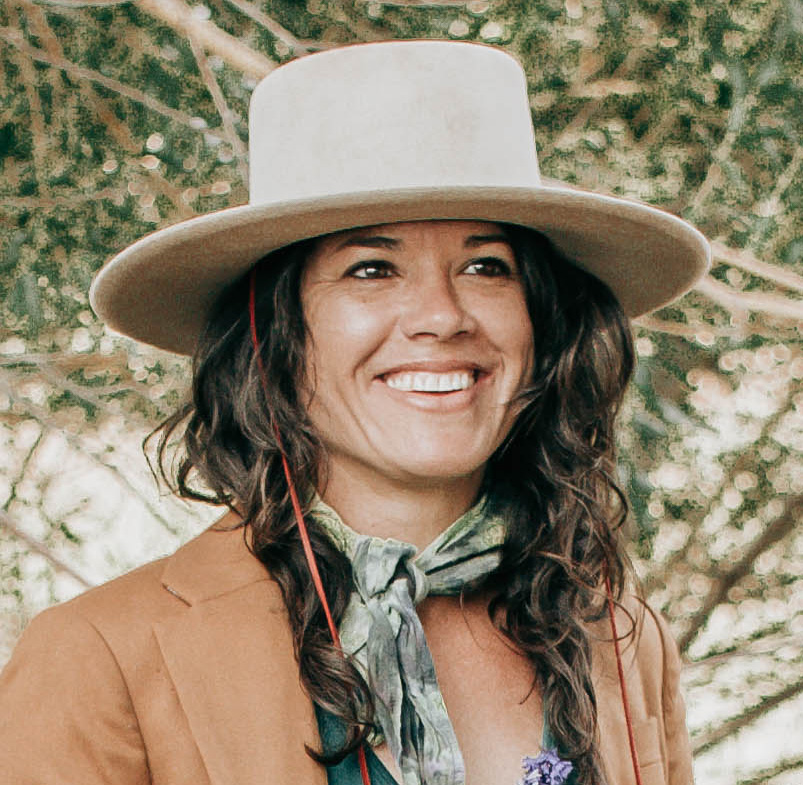
Brittany Cole Bush, (Cole), calls herself a modern-day shepherdess shepherding animals, people and projects She is a practitioner, entrepreneur, educator, and consultant in the fields of climate-beneficial agriculture, land stewardship, and prescribed grazing, guided by her drive to do meaningful work on the land and open vocational pathways for non-traditional agrarians. With over a decade of experience, Cole has successfully treating thousands of acres on private and public lands throughout California for ecological enhancement and fire hazard reduction.

Cole is the owner/operator of a commercial-scale prescribed grazing outfit, Shepherdess Land and Livestock Co., providing prescribed grazing services in some of the most densely populated areas in Southern California. She is also the founder/owner of Shepherdess Holistic Hides, purveying tanned sheep and goat hides mindfully sourced from livestock “raised and grazed” in the west, placing an additional value on a normally forgotten waste product.

Through her own journey to create a viable career in agriculture and land management, her mission to open pathways for others has taken flight through her project The Grazing School of the West, a nascent non-profit organization. The School works to answer to the tremendous demand for labor in the reblooming industry of prescribed grazing, developing curriculum to cultivate an expanded grazier workforce and supporting entrepreneurs in food and fiber, and ecological monitoring.

Video: “Stewards of the Land” – American Lamb Board
White Paper: “Prescribed Herbivory for Vegetation Treatment Projects” – California Range Management Advisory Committee
Interview: “Grazing for Good”, Soil Centric
Photo Editorial by Todd Selby

Plenary Speaker

Growing Graziers: Shepherding a new-generation of agrarians into viable vocations in land stewardship, public safety, and vital food and fibersheds

Through her own journey to create a viable career and livelihood in regenerative agriculture and land management, Cole will share how prescribed grazing sheep and goats in the west is opening pathways for next-generation agrarians seeking impactful work that addresses climate, public safety, vital food and fibersheds, and social change. Through innovative stacked enterprise business models and collaborative partnerships between businesses and non-profit organizations, Cole is “growing graziers” by creating on-the-job training opportunities that will ready individuals to pursue their own entrepreneurial journeys or enter a workforce requiring skills and knowledge only obtained through experience. In a dedication to stacking enterprises and illuminating the wide diversity of opportunity that four legged ruminants offer, Cole will also share how her hide business, Shepherdess Holistic Hides places an additional value on a normally forgotten waste product, while telling the story of animal symbiosis with western range land management.