Linda Pechin-Long

Linda Pechin-Long

Linda Pechin-Long
John Liu

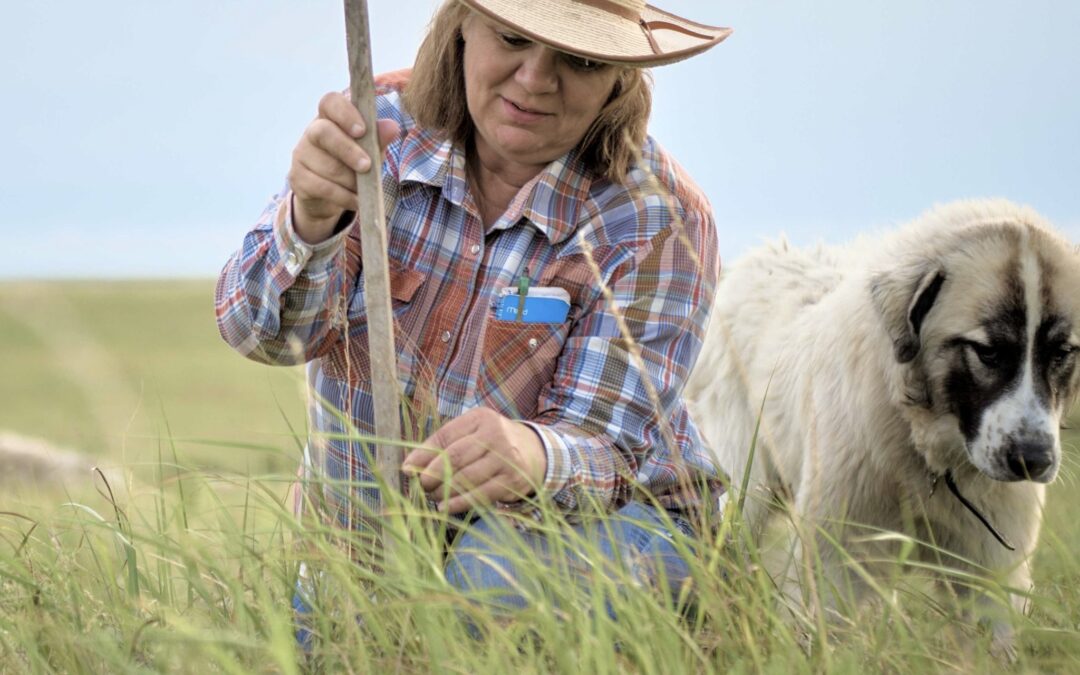
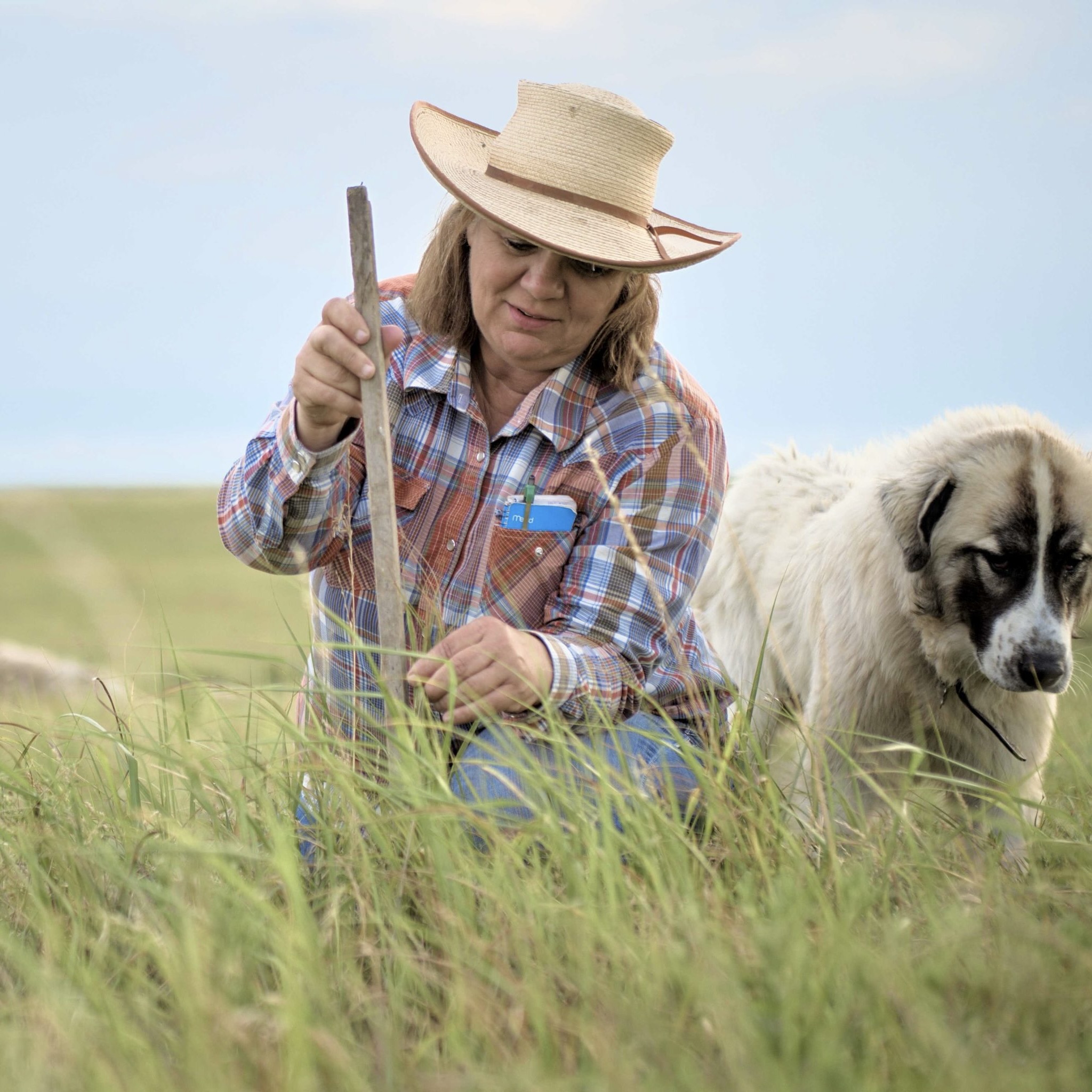
Linda and her husband live on a ranch in Winfield, Kansas, where they raise cattle and sheep. Linda is a certified Holistic Management® International Professional Educator with over 15 years of experience in ranching and agriculture. Her dedication to regenerative agriculture and holistic management practices is truly inspiring. With her extensive expertise, she has gained deep insights into land regeneration, livestock raising, and ecosystem dynamics. Linda takes great joy in sharing her vast knowledge and experiences with fellow regenerative agriculture enthusiasts. Her objective is to establish a harmonious balance between human activities and the natural world, ensuring a sustainable future for generations to come. Linda’s dynamic presentations and engaging training sessions are not only informative but also transformative. Her goal is to provide her audience with practical tools that enable them to make ecologically sustainable, financially viable, and socially responsible decisions. This approach promotes healthier, more resilient landscapes and flourishing communities, empowering individuals and communities to take charge of their sustainable future.

2024 Roundtable Facilitator

What is Meaningful Regenerative Agriculture Monitoring & Research
2022 Workshop Week Presenter

Brian Wehlburg

Brian Wehlburg

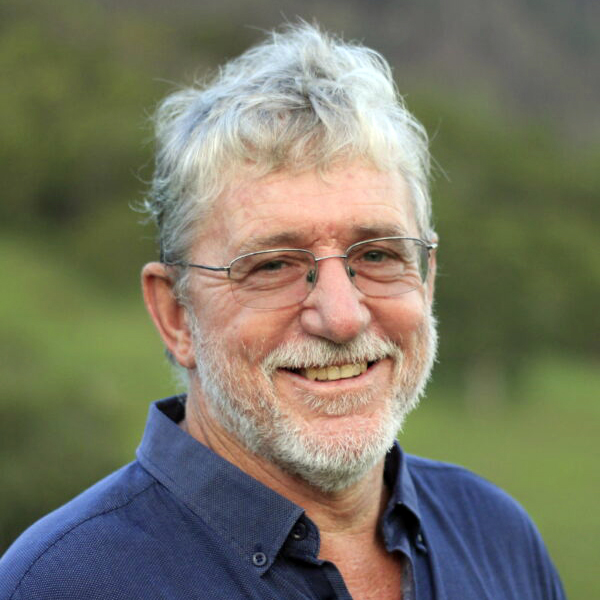
An introductory Holistic Management course in 1995 inspired Brian to implement his new understanding and knowledge, using grazing as a tool to improve the environment with resultant increased stocking rates, significant pasture improvement and regeneration of water seeps. In 2001 he completed his Holistic Management Certified Educator’s course. As a director of Inside Outside Management, he has worked throughout Australia and New Zealand providing Holistic Management training and consultation to a wide variety of people, businesses and environmental groups. This has included the delivery of full Holistic Management courses, short grazing management courses and the 18-month TAFE Holistic Management diploma.

Brian has much experience working in a team with people from different cultures and backgrounds. This, together with his passion for Holistic Management allows him to create an atmosphere of trust within a group, enabling the diverse participants to actively contribute towards positive outcomes. He is motivated by seeing the positive change that Holistic Management can bring to people’s lives and livelihoods.

Brian is a certified Educator with Holistic Management International and a certified Field Professional with the Savory Institute and a board member of Holistic Management International and is also on the board of the Australian Holistic Management Co-operative. He is also a proud member of HMENZA, Holistic Management Educators of Australia and New Zealand.

2024 Roundtable Facilitator

Regenerative & Conservation Grazing / Grazing for Soil Health


2023 Plenary Panel

Resilience Through Catastrophe: Preparation for and Recovery from Climate Disasters

Hear from panelists about how producers and technical service providers can prepare for and recover from climate disasters like wildfire through building soil health, holistic management, and unique partnerships and collaborations. We’ll hear perspectives from New Mexico, California and Australia, including challenges and success stories, as we address local climate and natural disaster catastrophes via local and global perspectives.

Kelly Sidoryk

Kelly Sidoryk

Kelly Sidoryk

John Liu

Kelly and her husband Mike live near Lloydminster, Alberta, Canada where they operate a family ranch running owned and custom yearling cattle with a small cow herd. They also have another ranch near Debden, Saskatchewan. Kelly has been involved with Holistic Management for close to 25 years. She became an HMI Certified Educator in the late 1980s and has taught a number of courses and has worked with many family producers and management groups. One area of focus for Kelly has been the “human” piece, particularly in the area of succession planning as many operations and teams work through the process of transitioning to the next generation. Kelly’s father, Dennis Wobeser was an HMI Board member and upon his end of term, Kelly took his place as HMI’s Canadian representative.

Roundtable Facilitator

Exploring the Challenges and Opportunities in Succession Planning

Whether you are actively engaged in succession planning or just beginning your agricultural career, everyone is impacted by the succession planning (or lack of it) in the many agricultural operations now managed by operators in their 60s or older. How can we more effectively engage in the transfer of management and assets to provide opportunities for the next generation of agricultural producers while utilizing the talents and resources of experienced producers to create the best outcome for all involved? This discussion will allow us to learn from each other about the challenges people are facing and the opportunities they are creating as they explore succession planning.

Evanne Caviness

Evanne Caviness

Evanne Caviness

John Liu

Evanne Caviness is a proud rancher, agricultural conservation leader, and mother of 6th-generation Coloradoans who has been immersed in ranching in the Southwestern U.S. since childhood. She works as the Division Director for Conservation Services for the Colorado Department of Agriculture while co-managing Caviness Farms — her regenerative cow/calf, hay, and D2C meat operation located in Bayfield, CO.

Having established her operation without intergenerational access to land or capital, she is committed to improving the landscape for the next generation of farmers and ranchers. Evanne is passionate about farmland conservation and preservation policy and holds numerous roles on nonprofit boards and government councils across Colorado and the Western United States.

Roundtable Facilitator

The Lay of the Land in Sustainable Agriculture – Practical Facts for Navigating State and Federal Policy

Sustainable agriculture is hard work, and navigating federal and state policy shouldn’t be an added burden. Sarah and Evanne will discuss recent changes in federal agriculture policy as well as opportunities in state and federal policy for farmers and ranchers who seek to operate as land stewards. Participants can anticipate leaving the roundtable with a deeper understanding of how state and federal policy impacts sustainable agriculture, as well as tangible resources and contacts to assist with issue-specific challenges they may face.

Seth Wilner

Seth Wilner

Seth Wilner

John Liu

Seth grew up in Connecticut where he forged a love of horseback riding . In addition to Connecticut, Seth has lived, studied and worked in several states across the U.S. as well as in Kenya and Senegal. It was in Senegal, where he served in the Peace Corps, that Seth developed his love for farmers and agriculture.

Seth graduated with his Masters in Soil Science but several years into his career he discovered his true passion which is farm business management.

Seth became a Holistic Management Certified Educator in 2003 and uses this system as a foundation in his work.

Recently Seth became a Certified International Mediator, which compliments his work in farm transfer, farm succession planning, whole farm planning, and farm financial analysis.

A recently developed passion is “effective adult education.” Having utilized lecture-based approaches for decades only to continuously discover they fail to build skills, Seth began a quest to discover educational methods that actually could help people change behaviors and adopt new practices.

When not working Seth enjoys time with his wife and daughter, his dogs and his close friends. He likes to travel, garden, work on farms, and laugh.

Workshop Presenter, Succession Planning Workshop

Roundtable Facilitator

Alicia Thompson

Alicia Thompson

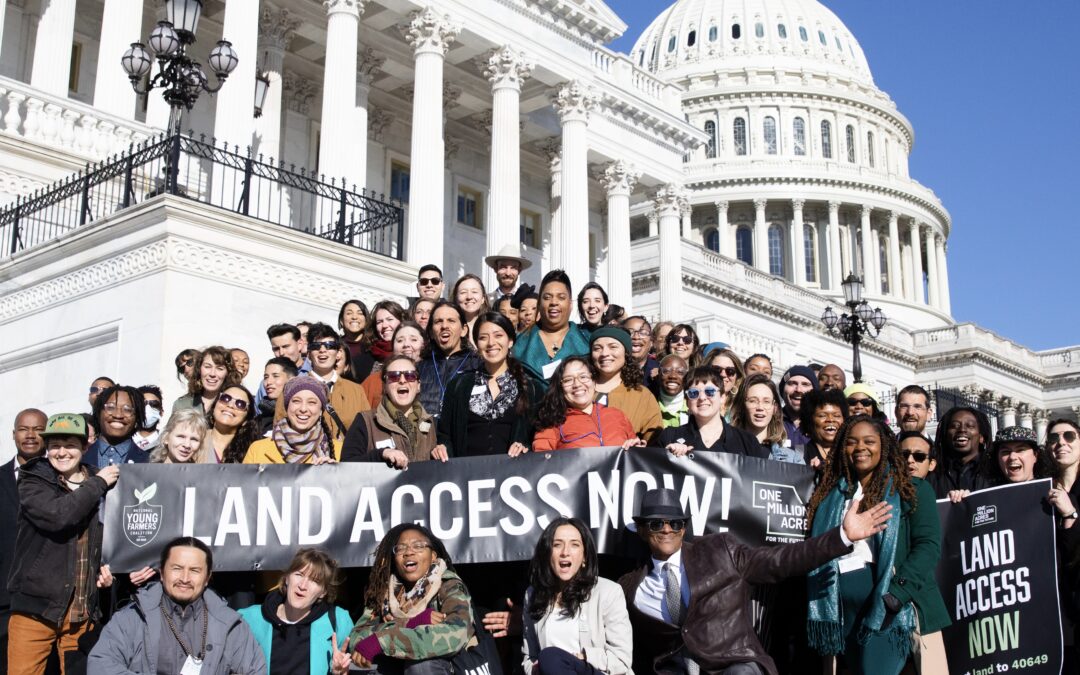
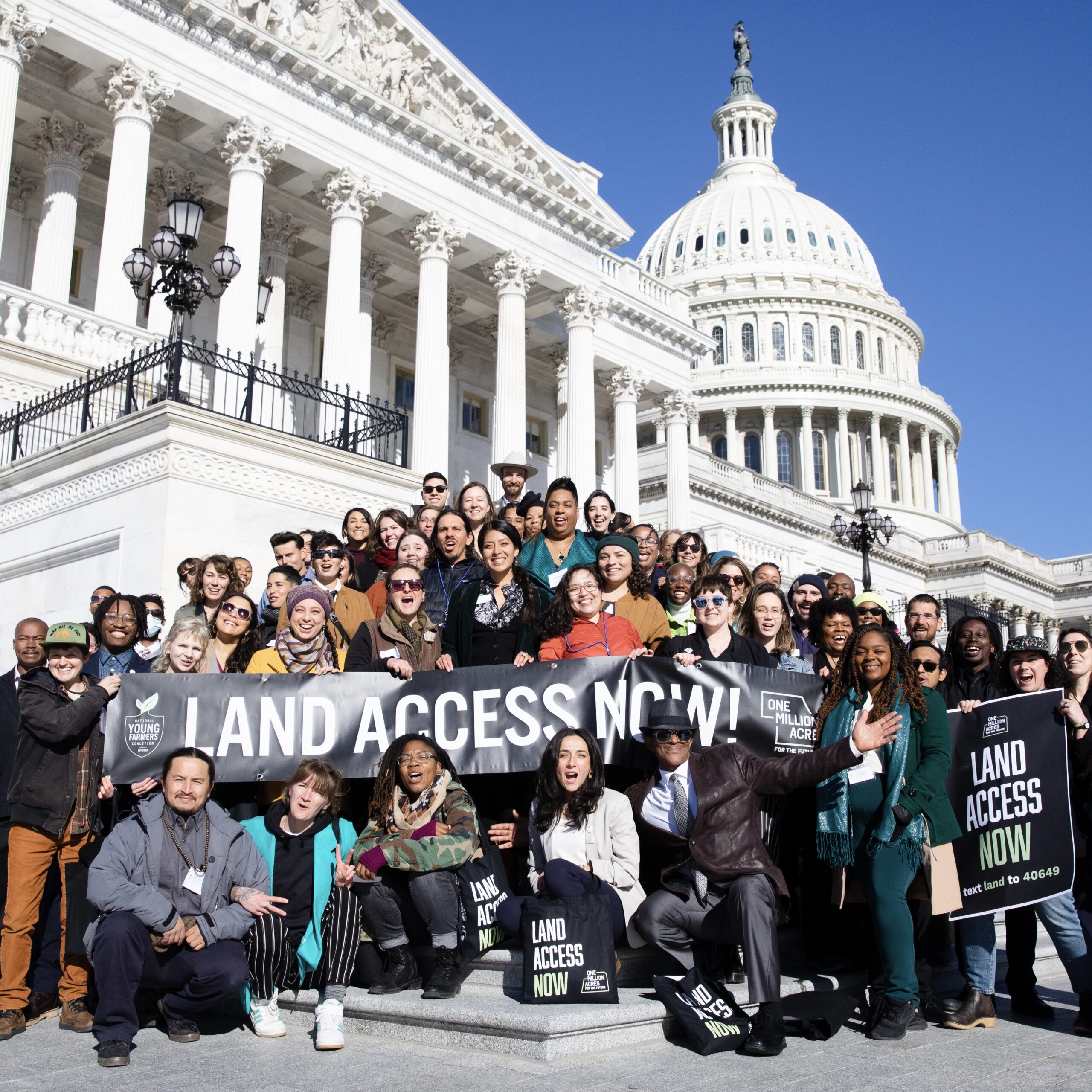
National Young Farmers Coalition

We believe we have one generation to transform agriculture in service to our communities and the land.

We are that generation

We are farmers and ranchers who steward the struggle to transform agriculture. We are an intersectional coalition that works for justice and collective liberation of our food and farm systems. We champion policies that resource connections to the land and foster our health in the face of climate crisis. We advocate for policies that recognize farming as a public service. We work in partnership with social justice movements for a future in which people, land, and relationships are respected. We aspire to stand in ever greater solidarity with global movements that advance human rights – especially the right to food and place.

THEORY OF CHANGE
Young farmers, when resourced and trained to share their stories with lawmakers, can remake the food system to be more equitable, just, and in service to our communities and the land.

Mission
We shift power and change policy to equitably resource our new generation of working farmers.

Vision
We envision a just future where farming is free of racial violence, accessible to communities, oriented towards environmental well-being, and concerned with health over profit.I identify as a Navajo woman – my maternal clan is Towering House. Currently located near the base of the sacred Mount Taylor, in the Pueblo of Laguna in New Mexico. I am a landless farmer with chickens, honeybees, and a native plants and foods nursery. My current work includes building a food forest demonstration garden using Indigenous permaculture and traditional knowledge. I am also an Indigenous consultant who provides guidance on working with tribal partners, and guidance for tribes in native nation building strategies. I completed my graduate education from Northern Arizona University, with my studies focused around Indigenous food ways and integrating that into Indigenous environmental management. I am grateful for my mentors in the Applied Indigenous Studies department, School of Forestry and those working directly in Indigenous communities to strengthen Indigenous food sovereignty and food security.

2024 Roundtable Facilitator

Advocacy, Storytelling and Allyship

2023 Plenary

Southwest Agroforestry from an Indigenous Perspective

This presentation will provide examples of ancestral and current Indigenous farming practices that have sustained communities and cultures in the Southwest for thousands of years. These agricultural practices can revitalize a local landscape into an edible landscape that is reflective of our bioregion and our diets.